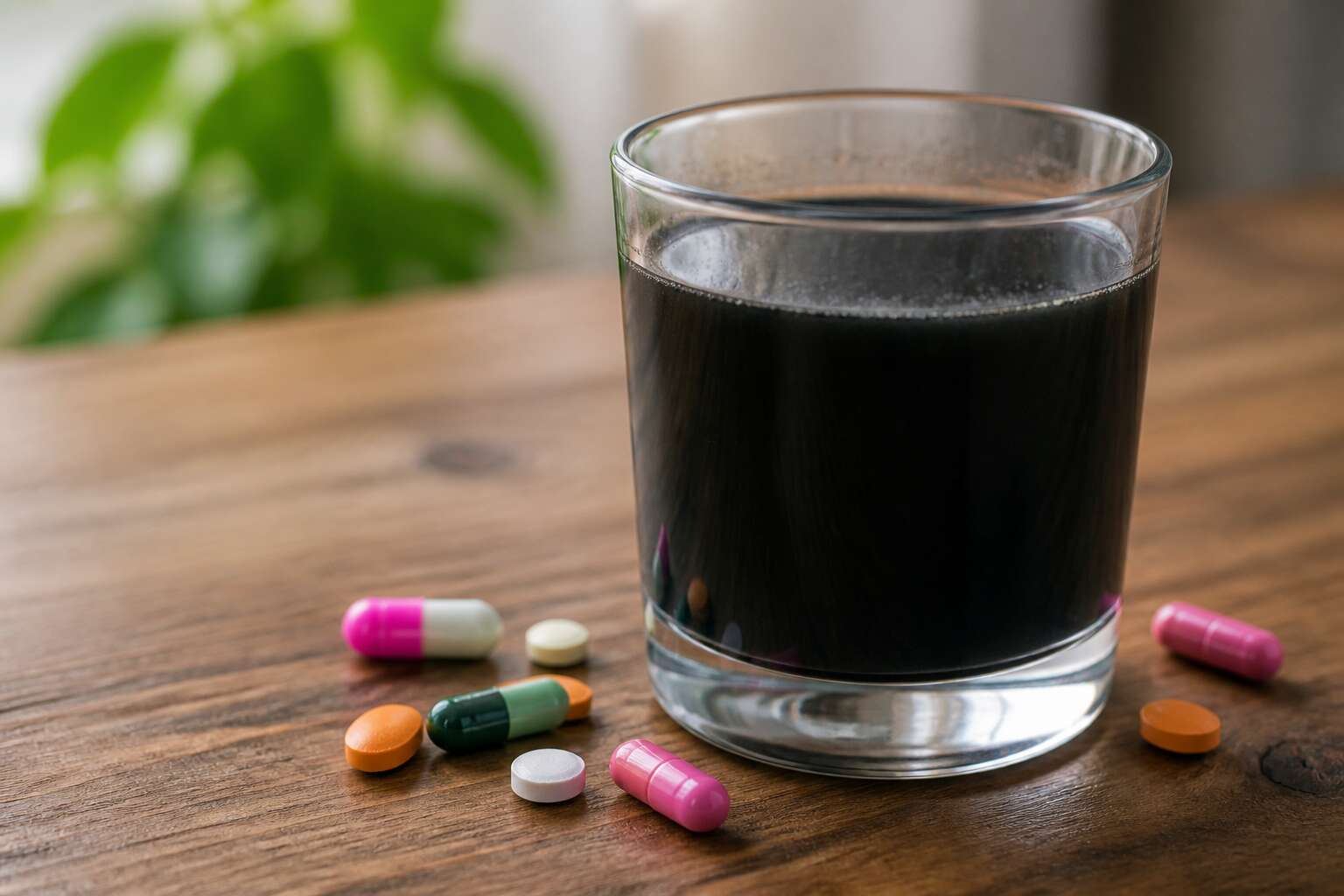
Understanding Activated Charcoal and Its Medical Uses
What Activated Charcoal Is and How It Works
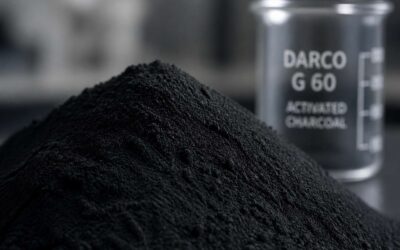
Activated charcoal begins as carbon-rich matter, often coconut shells, fired at extreme heat to produce a charred lattice. Subsequent exposure to oxidising gases creates a labyrinth of microscopic pores. This gives every single gram an internal surface area exceeding 3,000 square meters, all dedicated to trapping passing substances.
Its medical value relies on adsorption, not absorption. Weak electrostatic bonds hold foreign particles securely against the pore walls while the charcoal transits through the digestive tract. Emergency physicians use this property for acute poisoning or overdose protocols. This is also precisely why the question of whether will activated charcoal interfere with medications holds such weight. The charcoal lacks discriminative ability; it will bind any molecule small enough to fit, including your daily prescribed pills.
Common Emergency Applications in Poison Control
Emergency medicine relies on activated charcoal for a narrow range of cases. The substance performs best when administered within an hour of toxin ingestion, although some slow-release drugs extend this window. Poison control teams assess each situation before dosing.
- Overdoses of prescription medications such as beta-blockers or tricyclic antidepressants
- Exposure to pesticides or household chemicals
- Ingestion of toxic plants or contaminated food
Each case demands careful judgement. A patient rarely knows exactly what they consumed, so physicians rely on witnesses and empty packaging. The question of will activated charcoal interfere with medications surfaces in these scenarios, since overdose victims often take daily prescriptions. Charcoal binds to those medicines too, meaning a full medication history is essential before treatment begins.
The Rise of Daily Detox Supplements and Wellness Trends
Every January, health-conscious Capetonians embrace another round of detox promises, and activated charcoal often takes centre stage. Yet its medical application is far more precise than the wellness aisles suggest. Physicians administer it as a gastrointestinal decontaminant, a treatment where timing and judgement matter more than marketing. The compound itself is fine, black powder derived from coconut shells or wood, processed to increase its surface area. That porous structure is what traps toxins, but it does not distinguish between a poison and a prescription.
In a hospital setting, the decision to use activated charcoal follows strict protocols. The pharmacy stocks it for emergencies, not for routine digestion.
- Pre-operative bowel preparation in select surgical cases
- Management of specific cases of hyperbilirubinemia
- Controlled trials for certain types of drug overdoses
Each application is monitored, measured, and reviewed by a clinician. The shift toward daily supplements, however, borrows this clinical tool for a different purpose entirely.
The wellness industry has reframed activated charcoal as a lifestyle accessory, a morning ritual promising clearer skin and lighter systems. Yet the biochemical reality remains stubbornly unchanged. When you drink charcoal on an empty stomach, it behaves exactly as it does in an emergency room, it grabs whatever molecules sit nearby, including the calcium in your milk, the iron in your spinach, or the active ingredients in your thyroid medication. That is why the question of will activated charcoal interfere with medications is not a hypothetical concern but a practical one for anyone who takes daily pills.
Proponents argue that a few hours between doses eliminates any risk. Pharmacokinetics suggest otherwise. Many medications have narrow absorption windows, and charcoal particles can linger in the gut for hours, binding to substances released later. The body does not differentiate between a toxin and a therapy. It simply presents compounds to the charcoal surface, which then holds them captive until they pass through the system. So while the wellness trend might suggest otherwise, the medical literature points to a simple, uncomfortable truth: daily charcoal use creates a conflict with nearly every other substance you ingest.
Key Differences Between Activated Charcoal and Regular Charcoal
The Science Behind Drug Absorption Interference
How Charcoal Binds to Drug Molecules in the Digestive Tract
A single gram of activated charcoal can possess a surface area exceeding 3,000 square meters. That enormous surface area provides extensive binding sites, but the process is adsorption, not absorption. Drug molecules in the digestive tract become trapped within these cavities through weak electrical forces known as van der Waals interactions.
This binding is nonselective, which means will activated charcoal interfere with medications even when taken hours apart. The charcoal does not distinguish between toxins and therapeutic compounds. It sequesters whatever passes by, reducing the amount available for your bloodstream.
Several variables dictate the strength of this interference:
- Molecular size and shape of the drug
- pH of the surrounding gastrointestinal fluid
- Presence of food or other competing substances
Why the First Hour After Dosing Is Critical
It is a common misconception that activated charcoal can mop up medications whenever it feels like it. The reality is far more demanding, and the first hour after you swallow a pill is the critical window where this intervention works. During that initial 60 minutes, the drug is still sitting in your stomach, waiting to move into the intestines where absorption truly begins.
Once the medication passes the pyloric sphincter and enters the small intestine, the charcoal has essentially missed its ride. The binding process we described earlier is a race against the clock, and time is a ruthless competitor. If you are considering this for an emergency, you need to act immediately because the charcoal needs to encounter the drug before your body starts shipping it out.
Why is this timing so brutal? Several factors influence whether the charcoal can get the job done:
– Gastric emptying time: A full stomach slows things down, giving charcoal more time to mix.
– Drug formulation: Enteric-coated tablets are designed to resist dissolution, which can delay absorption.
– Individual metabolism: Your own digestive speed plays a role.
– Motility: Conditions like diarrhea can rush the drug through too quickly.
The clinical data supports this narrow window. Studies show that activated charcoal given more than two hours after ingestion has significantly reduced efficacy. If you wait, the bond between the charcoal and the drug is a moot point because the drug is no longer in the shared space. Gastrointestinal transit is unforgiving, and the question of whether activated charcoal will interfere with medications is answered with a simple “only if you are fast enough.” The window closes, and once it does, the charcoal is just along for the ride.
Drug Properties That Make Certain Medications More Vulnerable
Half of all medication errors lie in the body’s silent chemistry, a negotiation of solubility and charge. The question of whether activated charcoal will interfere with medications depends on the drug’s willingness to surrender its molecular structure. Highly lipophilic drugs are eager to bind, while hydrophilic compounds pass through the charcoal like water through a sieve.
Certain medications are inherently vulnerable to this interception. Their physical traits determine the level of risk:
– Lipophilic drugs dissolve readily into charcoal’s porous lattice
– Smaller molecular weight compounds fit into the tiny adsorption spaces
– Non-ionized forms of drugs bind more readily than charged particles
– Sustained-release formulations remain vulnerable if they dissolve too early
The science behind the interference is a physical blockade, not a chemical reaction. Charcoal’s vast surface area acts as a magnet for specific molecules, creating an unbreakable hold that prevents the drug from reaching your bloodstream. The medication’s journey is rerouted entirely, flushed out with the charcoal itself. This mechanism alters the pharmacokinetics, reducing the drug’s bioavailability and rendering its intended dose ineffective.
The Impact of Dosage Strength and Pill Formulations
The science of absorption interference comes down to surface area and timing. A medication must dissolve into solution before crossing the intestinal lining. Activated charcoal intercepts that dissolved drug and traps it. The binding is physical, a molecular entanglement that reroutes the drug into the stool instead of the bloodstream.
Dosage strength changes the equation. A higher milligram tablet means more drug molecules competing for charcoal’s binding sites. But formulation matters more. Extended release capsules and enteric coated pills possess protective layers designed to survive the stomach. If charcoal passes through before those layers dissolve, the drug may escape.
- Higher strength drugs can overwhelm charcoal’s binding capacity
- Liquid suspensions absorb faster than compressed tablets
- Timed release coatings may delay dissolution past charcoal’s window
So will activated charcoal interfere with medications? It depends on what form the drug takes and when it meets its intercept!
How Acidic and Alkaline Environments Alter Binding Rates
Every capsule embarks on a molecular obstacle course, where pH dictates the outcome. In the acidic embrace of the stomach, both charcoal and many drug molecules carry a positive charge. This electrostatic repulsion can weaken the physical bond, allowing some medications to slip through the initial gauntlet. The real drama unfolds in the alkaline intestines, where the chemical landscape shifts. Here, the charge neutralizes, and the charcoal’s grip tightens with terrifying efficiency.
The binding affinity is a dynamic equation influenced by the local environment. A drug stable in gastric acid might survive contact, only to be captured in the duodenum. Conversely, a medication requiring an alkaline environment for dissolution may never get the chance. The ionic charge is the silent arbiter.
– Acidic pH can reduce charcoal’s binding capacity for certain basic drugs.
– Alkaline pH increases the negative charge on charcoal, attracting positively charged drug ions.
– The rate of binding accelerates in a neutral environment, leaving less time for absorption.
This chemical interplay determines whether the charcoal acts as a passive bystander or an active interceptor. Will activated charcoal interfere with medications? The answer is a moving target, shifting with every change in digestive pH.
Medication Classes with Known Interaction Risks
Cardiovascular Medications and Blood Pressure Drugs
Nearly one in four South African adults manages hypertension, so the question will activated charcoal interfere with medications is more than academic for countless households. Cardiovascular drugs are notoriously picky about coexisting in the gut with charcoal. Several classes are particularly vulnerable:
- Beta blockers like atenolol commonly lose potency when bound.
- Calcium channel blockers such as nifedipine follow suit.
- Diuretics may also see reduced effectiveness, altering fluid balance.
Even a single dose of charcoal can undermine these drugs’ absorption, and the binding process is unpredictable, depending on formulation andstomach acidity.
Antidepressants, Antipsychotics, and Mood Stabilizers
Antidepressants, antipsychotics, and mood stabilizers present a particularly treacherous landscape for those asking will activated charcoal interfere with medications. Unlike the blood pressure drugs, which often lose a predictable percentage of their bioavailability, psychotropic agents frequently operate within a narrow therapeutic window. This means even a slight reduction in absorption can push a patient from a stable dose into either a subtherapeutic spiral or a toxic peak. Consider tricyclic antidepressants like amitriptyline. Their molecules possess a strong affinity for activated charcoal, and the resulting bond is often irreversible.
The danger extends to mood stabilizers with even less margin for error. Lithium is perhaps the most alarming example, as its therapeutic index is razor thin. For this reason, the binding action of charcoal can effectively erase an entire daily dose, leading to a rapid loss of mood control or, conversely, if taken incorrectly, a sudden surge in serum levels. Anticonvulsants used as mood stabilizers, such as carbamazepine and lamotrigine, also exhibit significant interaction, making the timing of any charcoal ingestion a critical variable for mental health management. The following categories are especially vulnerable:
– Tricyclic antidepressants (e.g., amitriptyline)
– Lithium salts
– Carbamazepine and valproic acid
– Certain atypical antipsychotics (e.g., quetiapine)
The core issue is that these drugs are often prescribed for chronic conditions where consistency is the primary goal. A single charcoal capsule, taken for a morning detox, can dismantle a week of careful psychiatric titration. The mechanism is not a gentle reduction but a stark subtraction, leaving the patient to navigate a period of chemical imbalance that their prescriber never anticipated. Therefore, the question of will activated charcoal interfere with medications transforms from a matter of digestive mechanics to a serious concern about mental stability and the preservation of a carefully calibrated neurochemical equilibrium.
Diabetes and Thyroid Management Medications
Diabetes and thyroid medications allow little room for error. Levothyroxine, the synthetic hormone taken by millions of South Africans each morning, requires precise absorption. Activated charcoal can seize it before the gut ever sees it. The same applies to metformin and the sulfonylureas, drugs that manage blood sugar by prompting the pancreas to release insulin. When charcoal disrupts their passage, glucose levels swing without warning. The question of will activated charcoal interfere with medications becomes urgent for these patients because the therapeutic margin is so slim. If you have asked yourself will activated charcoal interfere with medications while managing either condition, the answer deserves careful attention!
Commonly affected medications:
– Levothyroxine and liothyronine
– Metformin
– Glibenclamide and other sulfonylureas
– Empagliflozin and related SGLT2 inhibitors
A missed thyroid dose means days of fatigue. A mis-timed charcoal capsule means a blood sugar spike that no meal plan can correct.
Oral Contraceptives and Hormone Replacement Therapy
One capsule of activated charcoal can unravel a month of careful contraception. Oral contraceptives demand steady hormone absorption, and oestrogen and progestin molecules are vulnerable to charcoal’s binding action. The question of will activated charcoal interfere with medications deserves special attention for anyone on hormonal therapy.
- Combined oral contraceptives
- Progestin-only minipills
- Oestrogen replacement tablets
- Transdermal HRT patches
For South African women on the pill, a charcoal capsule taken too close to the daily dose can trigger breakthrough bleeding or a sudden return of menopausal symptoms. This happens because the activated charcoal binds to the very hormones that maintain cycle stability. The risk does not announce itself. It surfaces weeks later, when a missed period or sleepless night tells the real story.
Antibiotics, Antifungals, and Anticonvulsants
The question of will activated charcoal interfere with medications becomes critical when antibiotics are on the schedule. These drugs require precise blood concentrations to defeat infections. A single charcoal dose can sequester the active molecules before your gut has a chance to absorb them. Patients on fluoroquinolones or tetracyclines face the highest risk of treatment failure. South Africans battling multi-drug resistant TB must be especially vigilant. Missing a full day of antibiotic coverage invites bacterial resistance, a dangerous outcome for any community.
Antifungals and anticonvulsants present a similar dilemma. Ketoconazole and itraconazole lose their potency when exposed to charcoal’s porous structure. For those managing epilepsy, the stakes are even higher. Phenytoin and carbamazepine have narrow therapeutic windows. A sudden drop in drug levels can trigger a seizure within hours. The charcoal does not discriminate. It sweeps away both the toxin and the treatment. When your physician prescribes any of these medications, space your charcoal consumption far apart from your doses. Your medication schedule deserves that protection.
Over-the-Counter Pain Relievers and Nutritional Supplements
Over-the-counter pain relievers carry risks that patients often overlook. Ibuprofen, aspirin, and paracetamol dissolve rapidly in the stomach, leaving them exposed to activated charcoal’s binding mechanism. One charcoal dose can sweep away the very molecules you rely on for pain relief. The question will activated charcoal interfere with medications applies just as forcefully to a simple headache tablet as it does to a hospital treatment plan.
Nutritional supplements face a quieter version of the same problem. Iron, calcium, and folic acid depend on precise intestinal absorption. Activated charcoal captures these micronutrients before they reach the bloodstream, gradually depleting people who pair supplements with daily detox routines. Zinc and magnesium show similar losses when consumed near a charcoal dose.
Recognise these high risk supplement combinations:
- Iron tablets combined with activated charcoal lose most of their potency
- Calcium and magnesium bind directly to the charcoal surface
- Vitamin B12 absorption drops noticeably in charcoal’s presence
Timing Strategies to Reduce Medication Interference
Recommended Waiting Periods Before and After Dosing
Twenty minutes can change everything! The question will activated charcoal interfere with medications rarely lands on a simple yes or no, because the answer twists around when you swallow each tablet.
Waiting periods are not arbitrary. A two hour gap before dosing gives the charcoal time to pass through the stomach without dragging your medicine along. After you take your medication, hold off for at least ninety minutes. This lets the drug dissolve and move past the charcoal’s grasp.
- Wait two hours after your last meal before taking charcoal
- Take your medication at least one hour before charcoal
- Keep a three hour window for slow release pills
The rules shift with every product. Some capsules dissolve slower, some bind harder. You cannot guess your way through this. Only a precise interval protects your treatment from vanishing before it reaches your bloodstream.
How Meals, Juices, and Stomach Contents Shift Absorption
The stomach holds the true answer. A fatty meal slows gastric emptying, keeping the drug inside the charcoal’s reach for longer. Citrus juice lowers the pH, while dairy alters mucosal transport. These variables turn a simple schedule into a direct measurement of what you ate.
- Sugary drinks pulse through the gut faster
- Protein-rich meals stall the whole process
- Fermented foods add their own enzymes
In South Africa, a usual breakfast of porridge or strong tea changes the numbers. So the real problem, will activated charcoal interfere with medications, shifts with every plate. You cannot rely on a fixed clock. Instead, trace the actual content of the last meal. The dose forms not from a timer, but from the liquids smoothness and the solids density. That is the honest truth behind charcoal and your medicine.
Building a Safe Daily Schedule for Chronic Medication Users
Most chronic medication users ask a practical question: will activated charcoal interfere with medications? The answer depends on how you space your doses. Timing becomes your safety net. Separate the two by at least two hours in either direction. That window allows the medicine to leave the stomach before charcoal enters.
A simple daily rhythm works well for many South African patients.
- Take morning medications immediately after waking, with plain water.
- Wait two full hours before any charcoal supplement.
- Eat a light breakfast after the charcoal, then wait two more hours.
- Repeat the same sequence for evening doses.
Do not shift the schedule based on feeling. The gut does not care about convenience. A consistent routine reduces the chance of binding. For chronic conditions such as hypertension or diabetes, this discipline matters more than the exact charcoal brand. Your medication deserves a clear path. Give it one.
Signs That Your Medication May Not Be Working Properly
Timing strategies matter. If you ask will activated charcoal interfere with medications, the answer often hides in your watch. A fixed two hour buffer works for most people, but signs of trouble go beyond schedule. Watch for symptoms that return, unusual lab results, or blood pressure readings that drift upward. These signals may indicate reduced absorption.
- Your usual dose stops controlling your condition.
- Side effects appear that you have not experienced before.
- Your blood tests show lower drug levels than expected.
Do not ignore these clues. They mean the charcoal and your medicine may be colliding. Adjust the interval, not the dose. When in doubt, ask your pharmacist. A simple shift can restore your medication’s effect!
When to Consult a Doctor or Pharmacist About Rescheduling
The two hour buffer is a starting point, not a guarantee. Slow release tablets, high fibre meals, and your individual kidney function all shift the timeline. Some drugs need a four hour gap. Others interact less when the dose is split. A pharmacist can map the safest path for your exact regimen.
Take these questions with you when you visit:
- Does my pill need a longer interval than two hours?
- Should I adjust when I take charcoal relative to food?
- Is there a blood test to confirm my medication is being absorbed?
Even without obvious side effects, reduced absorption can appear in lab results. Never change your dose on your own. Ask the professional. So the answer to will activated charcoal interfere with medications? It can, but a tailored schedule removes most of the risk.
High-Risk Groups Who Should Avoid Activated Charcoal
Patients on Narrow-Therapeutic-Index Medications
For patients on narrow therapeutic index drugs, the margin between a therapeutic dose and a toxic one is alarmingly thin. In South Africa, where 20 to 25% of the population lives with a chronic condition requiring daily medication, this distinction carries profound weight. The question of will activated charcoal interfere with medications becomes not a matter of convenience, but one of clinical safety.
These particular pharmaceuticals, such as warfarin, digoxin, and certain immunosuppressants, require precise blood concentrations. A single dose of activated charcoal can bind to these compounds in the gastrointestinal tract, preventing absorption and sending levels plummeting below the effective threshold. The consequences range from therapeutic failure to dangerous rebound effects.
Patients in this group face unique risks:
– Anticoagulants like warfarin, where reduced absorption may trigger clotting events
– Antiarrhythmics including digoxin, which require steady state levels for cardiac stability
– Immunosuppressants used post transplant, where subtherapeutic dosing invites organ rejection
The pharmacokinetic profile of these drugs leaves no room for error. Unlike common pain relievers where a missed dose simply means less relief, narrow therapeutic index medications demand vigilant adherence. Any interference, intentional or accidental, carries the potential for hospitalisation. For this vulnerable population, the answer to will activated charcoal interfere with medications is a definitive yes, and the consequences are severe enough to warrant absolute avoidance.
People with Gastrointestinal Disorders or Slow Motility
For people with gastrointestinal disorders or slow motility, will activated charcoal interfere with medications is a pressing question. When the gut moves slowly, charcoal lingers longer in the digestive tract. That extended dwell time means more opportunity to bind to oral medications, even hours later.
Consider a patient with gastroparesis, where the stomach empties sluggishly. A dose of activated charcoal can form a thick, sticky mass that traps drug particles and delays their release. I have seen this cause unpredictable absorption, dangerous for anyone relying on consistent blood levels.
Conditions that raise the risk include:
- Gastroparesis
- Intestinal obstruction or strictures
- Chronic constipation
- Post-surgical adhesions
For these individuals, even one dose of charcoal can worsen existing symptoms. The charcoal itself may cause impaction, and slower transit time amplifies its drug-binding effects. The answer to will activated charcoal interfere with medications matters when the digestive system cannot clear the charcoal quickly.
Pregnant and Breastfeeding Individuals
Pregnancy transforms the body into a delicate ecosystem where balance is everything. The question of will activated charcoal interfere with medications becomes even more acute when two lives depend on consistent therapeutic levels. For expectant mothers, the stakes are not just about managing their own health, but also about safeguarding the developing fetus.
The placental barrier does not discriminate. Certain compounds that charcoal might bind to are essential for fetal development, particularly iron and folic acid. Many prenatal vitamins rely on precise absorption rates to maintain adequate blood levels. When charcoal enters the equation, it can sequester these critical nutrients, leaving both mother and baby deficient.
For breastfeeding individuals, the concern shifts to maternal medication efficacy. Drugs taken to manage postpartum depression, thyroid conditions, or infections must maintain steady concentrations in the bloodstream. A single dose of charcoal can disrupt this delicate equilibrium, potentially leading to subtherapeutic levels that compromise treatment outcomes.
The additional burden of constipation during pregnancy makes charcoal particularly problematic. Many pregnant women already struggle with sluggish digestion due to hormonal changes. Adding a binding agent that promotes stool formation can exacerbate this discomfort significantly.
Consider the specific risks:
– Reduced absorption of prenatal iron supplements
– Interference with postpartum antibiotics for uterine infections
– Compromised efficacy of thyroid hormone replacement
– Potential dehydration from charcoal induced constipation
Healthcare providers generally advise pregnant and breastfeeding women to avoid activated charcoal entirely, unless explicitly directed by a poison control specialist in an acute emergency. The window where charcoal proves life saving is narrow, and the risks often outweigh benefits outside that context. Will activated charcoal interfere with medications for this population? Almost certainly, and the consequences can ripple through both maternal and infant health.
Children and Elderly Patients with Complex Drug Regimens
Children and the elderly share a fragile relationship with timing. A child’s metabolism runs on an unpredictable clock, while older patients often juggle a dozen prescriptions before breakfast. Will activated charcoal interfere with medications for these groups? It can, and the margin for error shrinks dramatically.
For seniors on complex drug regimens, the risks multiply:
– Blood thinners require precise dosing to avoid stroke or bleeding.
– Parkinson’s medications lose effectiveness when bound too early.
– Heart rhythm drugs have dangerously narrow safety windows.
– Diuretics for heart failure become unreliable after binding.
Children face their own hazards. Activated charcoal tastes awful, and a struggling toddler may vomit the dose, leaving parents unsure of how much was actually absorbed. The charcoal itself can dehydrate a small body faster than an adult’s. For both groups, the phrase will activated charcoal interfere with medications is not a theoretical question. It is a practical concern that deserves a pharmacist’s call before anyone swallows that black powder.
Those with Electrolyte Imbalances or Kidney Conditions
People with electrolyte imbalances walk a narrow physiological tightrope. Activated charcoal does not discriminate; it can bind potassium, sodium, and magnesium alongside whatever else sits in the stomach. That indiscriminate action can push a borderline imbalance into a dangerous zone. Kidney conditions complicate the picture further. The kidneys work as the body’s final filter, and charcoal shifts the chemical load they must process. For someone living with chronic kidney disease or undergoing dialysis, the question of will activated charcoal interfere with medications matters less than the immediate threat of systemic strain. The binding process is blunt rather than precise. It removes what it touches, including elements the body needs to maintain heart rhythm and nerve function. In these patients, charcoal may also accelerate dehydration and distort electrolyte panels. Key concerns include:
– Rapid potassium depletion that worsens cardiac risk
– Unpredictable drug levels that complicate narrow dosing windows
– Increased strain on already compromised renal function
This group deserves caution before any black powder crosses their lips.


0 Comments