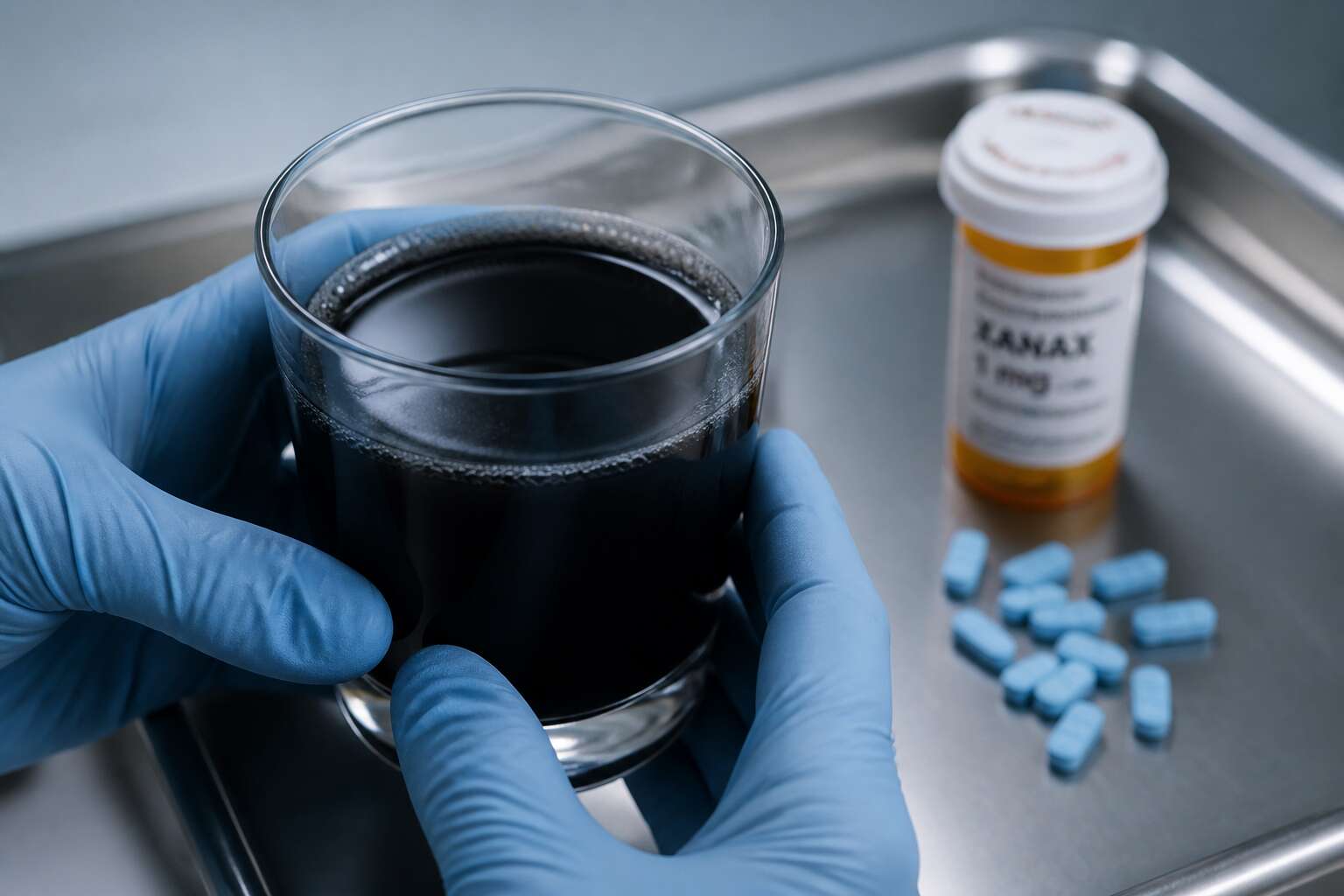
Understanding Xanax Overdose and Its Urgency
Why Xanax Overdose Can Be Life-Threatening
Xanax overdose is a medical emergency that demands immediate action. The drug is a benzodiazepine, and it works by slowing down the central nervous system. In normal doses, this means relief from anxiety. In excessive amounts, the system slows to a dangerous crawl. Breathing becomes shallow, the heart rate drops, and the victim may slip into a deep unconsciousness. This is not a state that allows for waiting; it is a race against time.
The danger compounds quickly. Often, an overdose occurs when the drug is mixed with alcohol or other depressants. The synergistic effect intensifies the respiratory depression significantly. Without swift intervention, the lack of oxygen can lead to brain damage or death.
In a South African emergency context, medical professionals focus on stabilisation. They manage the airway, provide fluids, and monitor cardiac function. Depending on the timing of ingestion, the use of activated charcoal for xanax overdose might be considered. This treatment works best if administered shortly after the pills are swallowed, before the body has absorbed them. It binds to the drug in the gastrointestinal tract, preventing systemic absorption. The key physiological threats to understand are:
- Severe respiratory depression and hypoxia.
- Hypotension, leading to shock.
- Aspiration pneumonia from inhalation of stomach contents.
- Coma or profound lethargy.
The window for effective decontamination is narrow. If you suspect an overdose, do not induce vomiting. That carries its own risks. Place the person on their side and call for emergency services immediately. The earlier the patient reaches help, the better the chance of a full recovery. For those seeking information on emergency protocols, the use of activated charcoal for xanax overdose is a hospital-based decision, not a home remedy.
How Alprazolam Absorption Affects the Body
Alprazolam is alarmingly good at getting into your blood. Peak plasma concentration lands within 60 to 120 minutes. That leaves a narrow runway for activated charcoal for xanax overdose. If the drug has already left the gut, charcoal becomes gritty theatre, nothing more.
Stomach contents change the tempo. An empty stomach speeds penetration. A full one buys a little time, but not half a day. Alcohol deeply mushy the borders; it is a beast of its own.
- Empty stomach: fast absorption, little window.
- Full stomach: slower, but still tight.
- Ethanol co-ingestion: muddying absorption and breathing both.
The clinical reality in South Africa is urgency. The dose moves, the body sinks, and the chance for activated charcoal for xanax overdose closes before many realise it has ever opened.
Common Risk Factors That Lead to Severe Toxicity
South African emergency rooms see the pattern with chilling regularity. A patient arrives unconscious, breathing shallow, pupils pinned. The trigger is seldom a single pill. More often, it is a confluence of circumstances that turns a standard dose into a catastrophe.
I cannot stress the urgency enough! When respiratory drive falters, brain damage begins within minutes. Activated charcoal for xanax overdose remains a time-bound intervention, demanding immediate recognition of danger signs. Every wasted minute narrows the odds.
Common risk factors leading to severe toxicity include:
– Concurrent alcohol or opioid use, compounding central nervous system depression
– Pre-existing respiratory conditions such as COPD or sleep apnoea
– Older age, where metabolic clearance slows dramatically
– Rapid dose escalation or pill stacking across a single evening
These factors narrow the therapeutic margin. In South Africa, where geography and transport delay emergency care, understanding these risks is survival itself. Activated charcoal for xanax overdose works only if the decision happens fast, and most families do not decide fast.
Recognizing the Signs of a Benzodiazepine Overdose
In the chaos of a benzodiazepine emergency, the most dangerous symptom is the one you cannot see. A patient can appear merely drowsy while their blood oxygen saturation drops quietly into dangerous territory. By the time lips turn blue, the window for intervention has nearly closed.
Recognition requires less guesswork and more pattern reading. The signs of severe alprazolam toxicity follow a neurological cascade that witnesses often misinterpret as intoxication. This misreading costs hours, and hours cost lives.
Signs demanding immediate action include:
– Inability to stay conscious even with physical stimulation
– Gurgling or irregular breathing patterns
– Cold, clammy skin with a rapid or weak pulse
– Confusion that worsens despite attempted conversation
Families often describe the victim as “just sleeping it off.” This is a dangerous miscalculation. Activated charcoal for xanax overdose works when administered within sixty minutes of ingestion. That timeframe dissolves quickly when a family waits for morning to see if things improve. Emergency medical staff in South Africa routinely stress that a patient who cannot be roused is not sleeping. They are losing ground to respiratory depression. The signs are right there. Reading them correctly is the first step toward decisive action.
The Critical Window for Medical Intervention
Sixty minutes. That is the span in which activated charcoal for xanax overdose can meaningfully intervene. Alprazolam moves through the gastrointestinal tract rapidly, and once it crosses into the bloodstream, oral decontamination loses its leverage. The critical window for medical intervention is not a guideline; it is a physiological boundary.
South African emergency staff ask specific questions when a suspected overdose arrives. The answers decide whether they act or observe:
- Time of last ingestion
- Quantity of pills taken
- Whether alcohol or other depressants were consumed
A patient who cannot give these answers relies on whoever brought them in. The window closes while families search for bottles or scroll through call logs. This is why urgency matters.
How Activated Charcoal Works in Emergency Situations
The Adsorption Mechanism in the Digestive Tract
One gram of activated charcoal holds 1,000 square meters of surface area. That is why emergency departments reach for it in poisoning cases. When a patient arrives after a Xanax overdose, timing matters! Activated charcoal for xanax overdose works through adsorption, not absorption. The porous structure traps alprazolam molecules before they cross the intestinal lining.
The process unfolds in the digestive tract. Charcoal particles bind to the drug through weak intermolecular forces. This binding prevents the benzodiazepine from entering the bloodstream. The charcoal drug complex then moves through the intestines and exits the body in stool.
Here is what makes this intervention specific:
- It only works if given within one to two hours of ingestion
- It requires an intact airway to prevent aspiration
- It does not reverse symptoms already present
The adsorption mechanism is physical, not chemical. No reaction alters the drug. The charcoal simply holds it captive. I find that reassuring.
Optimal Timing for Maximum Effectiveness
In a Johannesburg emergency unit, time for intervention seldom exceeds 90 minutes. The medical staff administers activated charcoal for xanax overdose only within this narrow window. Once alprazolam passes the pyloric sphincter, the charcoal’s value diminishes exponentially.
This narrow therapeutic window is why rapid transport matters. Paramedics and physicians must coordinate swiftly, often dosing before the patient reaches radiology. The decision to intubate and then administer the slurry requires judgment.
– The patient must be awake enough to swallow safely
– Gastric aspiration risk rises after sedation
– The dose must be given as a single bolus
If the patient presents late, the protocol focuses on supportive care instead. I find that precision paradoxical, yet it saves lives. The charcoal is a blunt instrument, useful only in the first breath of toxicity. When the window closes, clinicians pivot to intravenous fluids, flumazenil, and monitoring.
Dosing Considerations for Overdose Cases
Activated charcoal for xanax overdose works in emergency situations by binding alprazolam before systemic absorption. Its porous structure offers roughly 3,000 square meters of surface area per gram, enabling efficient adsorption of benzodiazepines. Yet efficacy depends on stomach contents;a full stomach slows emptying, extending the charcoal’s opportunity, while an empty stomach hurries the drug into the intestines. Clinicians thus weigh each patient’s last meal before administering the slurry.
Dosing hinges on weight and clinical state. Key factors guide the approach:
- A typical adult receives up to 50 grams; pediatric doses follow 1 gram per kilogram.
- Patients with compromised airways require nasogastric administration.
- Other ingested substances may bind inadvertently, altering toxicity levels.
This precision distinguishes competent emergency care from guesswork.
Formulations and Methods of Administration
In a rural South African clinic, the clock is ticking. Activated charcoal for xanax overdose arrives as a fine black powder, but its form changes how quickly it works. Common options include:
- Plain powder, mixed with water at bedside
- Premixed aqueous suspension, ready to pour
- Sorbitol-containing slurry, which speeds gut transit
The choice matters. A cooperative patient can drink from a cup. A semiconscious one needs a nasogastric tube. That tube avoids aspiration and gets the charcoal down fast. In remote areas, stock shortages force nurses to shake powder into tap water. It still works, though sorbitol improves the taste and hurries the bowel along. The right formulation and route place the charcoal where it must act, before alprazolam slips past.
Limitations of Activated Charcoal in Xanax Toxicity
The emergency room runs on a different clock. When a patient arrives stuporous, pupils pinned, respiratory rate dwindling, the staff measures time in minutes, not hours. Activated charcoal for xanax overdose works best when it arrives before the sedative has fully committed to the bloodstream. This is the essence of its function: interception. The charcoal’s porous surface acts as a physical net, trapping alprazolam molecules that still linger in the stomach and upper intestine. By binding them, it prevents their passage across the gut wall, converting a potential fatal dose into an inert mass that moves harmlessly through the digestive tract.
Yet this process depends on a brutal reality: the gut absorbs benzodiazepines rapidly, especially on an empty stomach. A patient who ate a heavy meal might have more time, as food slows gastric emptying and keeps the drug in contact with the charcoal longer. But for the majority, the window collapses within an hour. This is not a cure, but a containment strategy. It buys the body time to metabolize what has already entered the circulation, while preventing further absorption of what has not. Each minute the charcoal is delayed, more alprazolam slips through the net, deepening the respiratory depression that threatens survival.
For all its utility, activated charcoal for xanax overdose has sharp limits. It cannot reverse the effects of benzodiazepines already absorbed; it offers no antidotal action. The patient remains sedated, still needs intubation, still requires pressure support. Charcoal does nothing for the drug molecules that found their way into the tissues minutes ago. It only neutralizes what is still active in the GI tract. And it fails entirely if the patient presents hours after ingestion, when the stomach has already emptied and the drug has moved beyond rescue. In such cases, the charcoal is a gesture, not an intervention.
There is also the problem of logistics. Aspiration remains a constant threat if the patient cannot protect their airway. A lethargic or unconscious patient will not cooperate with drinking a thick slurry. The nasogastric tube solves delivery, but it can also induce vomiting if inserted too quickly, and the aspirated charcoal can damage lung tissue. Additionally, researchers debate whether the drug binds well enough in the presence of food fragments or in patients with altered gastric motility. Each case demands clinical judgment, not routine application. The charcoal is a tool, and like any tool, it breaks when used at the wrong time or in the wrong patient. The emergency physician must ask whether this particular overdose has any charcoal left to catch.
Clinical Evidence and Guidelines for Charcoal Use
What Research Says About Charcoal and Benzodiazepines
Clinical evidence paints a nuanced picture when it comes to activated charcoal for xanax overdose. Research consistently demonstrates that the intervention is most effective when administered within one hour of ingestion. After this golden window, the efficacy diminishes sharply as the alprazolam molecules traverse the pyloric sphincter and settle into the small intestine where absorption is rapid and complete. However, the literature is clear that delayed administration does not equate to futility, particularly in cases involving extended release formulations or co-ingestion with food which slows gastric emptying.
The toxicological guidelines from major poison control centres, including those referenced in South African emergency medicine protocols, advocate for a risk benefit analysis before dosing. The primary concern rests with the patient’s airway protective reflexes. Since Xanax toxicity often induces profound central nervous system depression, the administration of charcoal carries a significant aspiration risk. Clinicians must therefore assess the patient’s level of consciousness meticulously. If the patient is obtunded or comatose, intubation is frequently required prior to charcoal administration, which many argue introduces a separate set of procedural complications.
– The binding affinity of charcoal for alprazolam is high, but not absolute.
– Multiple dose activated charcoal may enhance the elimination of certain benzodiazepines, though evidence for alprazolam specifically remains equivocal.
– The presence of sorbitol in some charcoal formulations can precipitate severe diarrhea and electrolyte imbalances.
The research surrounding the interaction between charcoal and benzodiazepines falls short of establishing a universal mandate. Most clinical toxicologists treat activated charcoal for xanax overdose as a conditional tool rather than a panacea. The decision hinges on a confluence of factors: the time elapsed since ingestion, the quantity of pills consumed, and the patient’s clinical trajectory. Some studies suggest that the overall impact on patient outcomes in isolated benzodiazepine overdoses is modest, largely because the primary management remains supportive care with flumazenil as a reserved antidote. Yet, the prophylactic value of activated charcoal cannot be entirely dismissed, especially in mixed overdoses where opiates or other sedatives are co-ingested. In the South African context, where access to advanced critical care may be delayed in rural regions, the pragmatic application of this simple adsorbent can serve as a vital interim measure, though it never replaces the imperative for comprehensive medical supervision.
Current Toxicology Society Recommendations
Toxicology societies have tightened their guidance on activated charcoal for xanax overdose. The American Academy of Clinical Toxicology and the European Association of Poisons Centres now endorse charcoal only when a specific set of criteria is satisfied. The patient must arrive within one hour of ingestion. The airway must be patent. And the ingested dose must fall within a range that threatens life.
For South African emergency teams, particularly those in rural hospitals, these recommendations carry immediate weight! Delayed access to intensive care makes the pragmatic use of charcoal a valuable interim step. But the conditional nature of the guidance demands clinical precision. Current recommendations centre on four pillars:
- Confirmed ingestion of a potentially lethal alprazolam quantity.
- Presentation within sixty minutes of the overdose.
- Uncompromised airway reflexes or prior intubation to secure protection.
- Absence of gastrointestinal obstruction or perforation.
The society guidelines are clear: charcoal remains a selective tool, not a standing order. We assess, we weigh risks, and we act accordingly.
Comparing Activated Charcoal with Flumazenil Therapy
Flumazenil often grabs the spotlight in toxicology rounds, yet evidence separates it from activated charcoal for xanax overdose in practical ways. Flumazenil reverses sedation by blocking benzodiazepine receptors. This action is rapid, but it can trigger seizures in patients with co-ingestants. Charcoal avoids the central nervous system entirely. It adsorbs alprazolam within the gastrointestinal tract. Guidelines permit charcoal only for early presentations with protected airways. Flumazenil is reserved for cases where diagnostic certainty or intubation is already in place.
Rural South African hospitals often prefer charcoal because it requires no continuous cardiac monitoring. Flumazenil has a short half life, so resedation occurs without repeat dosing. Activated charcoal for xanax overdose remains the pragmatic first step when the time window is open. The evidence is not a contest but a sequence of conditions. Compare the two approaches:
- Charcoal: no seizure risk, single dose
- Flumazenil: rapid onset, high monitoring burden
When GI Decontamination Is No Longer Helpful
Deciding when activated charcoal for xanax overdose becomes a medical spectator is a matter of timing, not stubbornness. The toxicology clock starts ticking the moment the pill dissolves. Once the stomach empties its contents into the small intestine, the adsorption party is over.
Clinical guidelines from the American Academy of Clinical Toxicology draw a hard line at one to two hours post ingestion. After that window, the charcoal is mostly performing theatre. It binds nothing but stomach lining and hope. The exceptions are few. Extended release formulations of alprazolam can linger longer, but the evidence for late charcoal is thin at best.
There is also the practical problem of the patient. A person who is obtunded or comatose from a severe overdose requires intubation before receiving charcoal. Without a protected airway, the aspiration risk turns a simple decontamination into a pulmonary disaster.
– The first barrier is time, which is unforgiving.
– The second barrier is airway protection, which is non negotiable.
– The third barrier is bowel motility, which slows down precisely when you need it to hurry.
Once three or four hours have passed, the charcoal is less a treatment and more a farewell gesture. The drug has moved downstream, leaving the charcoal to munch on digestive debris. In rural South African emergency centres, the protocol remains conservative: if the time window is closed, the charcoal stays on the shelf. Induced vomiting is not recommended, nor is forced diuresis. The body will process the alprazolam at its own pace, and the medical team shifts into supportive care mode. Charcoal, for all its gritty charm, cannot manufacture new opportunities. It simply waits for the right timing, and when that timing passes, it is time to move on.
Safety Concerns and Contraindications of Activated Charcoal
Aspiration Risks and the Need for Airway Protection
Picture the emergency department: the frantic rush, the patient barely conscious, the quiet calculation of risk happening in the physician’s mind. Aspiration of activated charcoal for a xanax overdose is not a theoretical concern, it is a visceral and immediate danger. When consciousness is depressed, the protective gag reflex becomes a ghost. The charcoal slurry, if drawn into the lungs, can cause chemical pneumonitis, a severe inflammatory reaction that complicates recovery and threatens survival.
The medical team must make a critical judgment. Before any charcoal is administered, they must assess the patient’s ability to protect their own airway. A patient who is lethargic or obtunded presents a significant risk. In these cases, the clinical protocol is often to intubate, to place a breathing tube, to secure the trachea before any gastrointestinal decontamination is attempted. This sequence creates a safety barrier, ensuring that the charcoal travels down the oesophagus and not into the bronchi.
The decision to proceed with this intervention is a calculation of competing harms:
1. The primary toxicity of the alprazolam and the risk of respiratory failure.
2. The iatrogenic risk of aspiration pneumonia from the charcoal itself.
3. The potential complications of a difficult intubation in a crashing patient.
This is why activated charcoal for xanax overdose is never a reflex action. It is a conscious choice, guided by the patient’s Glasgow Coma Scale score and their ability to maintain independent breathing. The potential morbidity from a lung injury of this type can overshadow the benefits of adsorption, forcing the toxicologist to question whether the cure is worse than the disease. In these moments, pragmatism and risk stratification are the only true allies.
Common Side Effects Including Vomiting and Constipation
Activated charcoal for xanax overdose is messy. The slurry looks like crude oil and tastes bitter. Beyond the aesthetic nightmare, there are real safety concerns. The most common side effects are vomiting and constipation. Vomiting is a problem because it can expel the charcoal before it binds the drug. Constipation is less dramatic but can cause bowel obstruction if doses are repeated. Charcoal also pulls water into the gut, which hardens stool.
For activated charcoal for xanax overdose, doctors must check for contraindications:
- Suspected bowel perforation
- Ileus, where the intestines are not moving
- Recent abdominal surgery
If the gut is blocked, charcoal has no exit route. In those cases, doctors skip the charcoal entirely.
Patient Populations Who Should Avoid Activated Charcoal
Certain patients should not receive activated charcoal for xanax overdose, because the treatment can cause more harm than the overdose itself. A person already dehydrated from retching or diuretics becomes a serious risk. The sorbitol in most formulations pulls fluid from the bloodstream into the bowel, triggering a sharp drop that destabilises the patient just when the clinician needs calm.
Renal patients, very old patients, and those with low potassium manage electrolyte shifts poorly. Their kidneys cannot compensate. In South Africa, emergency units also screen for this list:
- children with a history of gastroparesis
- people with an unchecked gastrointestinal bleed
- those with severe hypernatremia already
For these groups, the slurry paints the chart with more complications than it removes.
Interference with Co-Administered Lifesaving Medications
Activated charcoal for xanax overdose is a necessary intervention, but it binds without discrimination. When oral lifesaving drugs are administered too close to the slurry, the charcoal adsorbs them before they enter the bloodstream. The medication never reaches its target.
South African emergency units face this hazard routinely. Oral antiemetics, reversal agents, and supportive medications all get trapped in the porous lattice. Intravenous routes bypass the gut entirely. Many toxicologists insist on IV-only pharmacotherapy once charcoal has been given.
- A patient with a Xanax overdose receives oral flumazenil and charcoal within the same hour.
- A sedated patient is given oral vitamin K while charcoal is still moving through the gut.
Activated charcoal for xanax overdose management therefore demands strict sequencing. An oral drug must precede the slurry by two hours or more. Otherwise, the clinician is prescribing medicine into a filter. The charcoal wins that contest every time.
Emergency Department Protocols for Charcoal Administration
Step-by-Step Approach in the Emergency Setting
In the chaos of an emergency department, the decision to use activated charcoal for xanax overdose is a calculated one, not a reflex. The clinical team must first secure the patient’s airway, especially if their gag reflex is diminished. This step is non-negotiable before any slurry is passed through a nasogastric tube, as the risk of pulmonary aspiration is simply too great to ignore.
Once the airway is protected, the timeline takes over. Most protocols push for administration within one hour of ingestion. After that narrow window, the charcoal’s ability to bind the remaining alprazolam in the gut drops off dramatically. The medical team will typically follow a structured sequence to ensure safety and efficacy.
1. Confirm the time of ingestion and the exact dose.
2. Verify the patient is awake and can protect their own airway, or intubate first.
3. Administer a single dose of 50 grams mixed with water, usually via an NG tube if the patient is unwilling or unable to drink it.
4. Monitor for vomiting, which is common, and reposition the patient to reduce aspiration risk.
The weight of this decision falls on the attending physician, who must weigh the potential benefits against the real danger of charcoal pneumonitis. In a busy South African emergency room, where resources are often stretched thin, this process is both practical and fraught with urgency. The charcoal is messy, black, and gritty, but for the right patient at the right time, it is a crucial intervention that buys the body a fighting chance to metabolize the drug on its own terms.
Preparation and Mixing of Activated Charcoal
Activated charcoal for xanax overdose arrives in the emergency room as a small, unglamorous powder pouch. Preparation begins with a 300ml graduated cylinder and a carefully filled ratio of lukewarm tap water. The water must be added first, then the charcoal, a sequence that keeps the fine dust from embracing the ceiling vents in a ghostly fog.
- Weigh out 50 grams of charcoal on a flat, calibrated scale.
- Pour 250 ml of lukewarm water into the mixing cylinder.
- Rotate the vessel gently until no dry clusters remain at the bottom.
The resulting texture is a brittle, dark suspension that clings to the inside of the tube for a few seconds before descending. In a busy Cape Town emergency unit, I have watched nurses fine-tune this mixture with a long spatula, tapping the glass to release trapped air. Activated charcoal for xanax overdose depends on this tactile precision. It brings a thick, intentional goo that has to slide, but not sink, and pass through the nasogastric line without clogging.
Monitoring Patients After Charcoal Treatment
Once the slurry passes through the nasogastric line, we shift from administration to vigilance. The airway sits at the centre of every decision. A nurse watches for gagging or silent regurgitation, because aspirated charcoal can trigger a chemical pneumonitis.
Vital signs are logged every fifteen minutes. These readings shape the response to activated charcoal for xanax overdose, because delayed gastric emptying prolongs alprazolam’s presence in the gut. Blood pressure, heart rate, and oxygen saturation reveal how deeply the drug has suppressed the respiratory drive. Pulse oximetry runs throughout.
- Heart rate and rhythm every fifteen minutes
- Bowel sounds and first charcoal stool
- Glasgow Coma Scale scoring
Nursing staff record the timing of each charcoal dose and any vomiting that follows. Activated charcoal for xanax overdose does not finish with a single pass through the tube. It finishes when the patient breathes unassisted, regains consciousness, and leaves the resuscitation bay without desaturation.


0 Comments