
Understanding Activated Charcoal and Its Role in Pediatric Care
What Activated Charcoal Is and How It Works in the Body
Consider this: a single gram of activated charcoal carries a surface area exceeding one thousand square meters. That labyrinthine internal architecture is the reason this substance, frequently used in pediatric emergency rooms, performs its essential chore of binding toxins. When a young child ingests a harmful compound, administering activated charcoal for a 5 year old can interrupt the poison’s journey from stomach to bloodstream.
The mechanism is adsorption, not absorption. Toxins adhere to the charcoal’s porous walls and remain trapped. The complex then travels through the digestive tract and exits harmlessly. For a child’s delicate system, timing matters enormously. The charcoal works best when given within an hour of ingestion. I have seen the relief on a parent’s face when this simple intervention makes a difference.
Common Reasons for Use in Hospital Emergency Departments
In South Africa, accidental poisoning drives a startling number of paediatric emergency admissions each year, and the decision to administer activated charcoal 5 year old patients hinges on precise timing and toxicology. Physicians must assess the substance ingested, its potential harm, and the hours since exposure before committing to this intervention.
Common reasons for using it in the emergency department are:
- Ingestion of household chemicals such as paraffin or bleach.
- Overdoses of antimalarials or other prescription drugs.
- Consumption of toxic plants or berries prevalent in suburban gardens.
Speed matters enormously. I have seen exhausted parents arrive with a bottle in hand, while nurses prepare the charcoal within minutes. The hospital maintains controlled urgency, yet each step follows a clinical protocol. This treatment, though common, never feels routine!
Key Differences Between Medical Grade Charcoal and Dietary Supplements
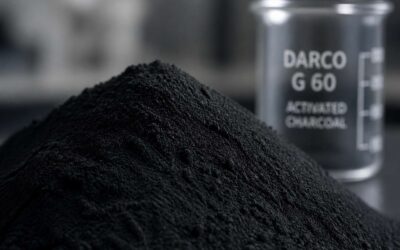
Every parent imagines a world where medicine works like magic, but the reality of an activated charcoal 5 year old situation is far more scientific and sobering. When a toddler ingests something toxic, time becomes a currency more valuable than gold. The role of this fine black powder in pediatric care is strictly interventional. It is not a preventative measure or a general health tonic; it is a rapid-response tool designed to adsorb specific toxins before the body can absorb them through the gastrointestinal lining.
The efficacy hinges on the principle of adsorption, where harmful molecules bind to the charcoal’s vast surface area. However, this binding is not selective. It is a physical process that requires the charcoal to reach the stomach quickly, often within one hour of ingestion, to be effective. For a child, the dose is calculated meticulously based on body weight, and the administration is often messy, requiring a slurry mixture that must be swallowed, sometimes through a nasogastric tube. That is the clinical reality, a far cry from the wellness trends seen in health food stores.
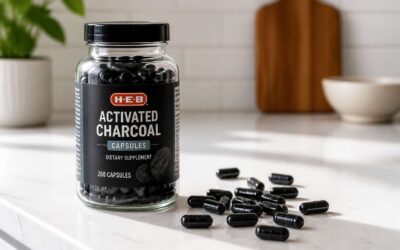
The distinction between what is used in a hospital and what is sold as a supplement is critical and potentially life-saving. Medical grade charcoal is a regulated pharmaceutical product with a specific particle size and surface area optimized for maximum binding capacity. Dietary supplements, on the other hand, are often marketed for detoxification or digestive health, but they lack the rigorous quality control of pharmaceuticals. They are not sterilized or standardized for emergency toxicology.
Here are the key differences to consider:
– Purity and Regulation: Medical grade is treated as a drug; supplement grade is treated as a food product.
– Surface Area: The medical version is processed to have a massive surface area for binding; the supplement version is often less porous.
– Dosing Precision: Hospital use requires exact milligram per kilogram calculations; supplements come in arbitrary capsule sizes.
Using a dietary supplement in an emergency could be a dangerous gamble. The charcoal you might find in a local vitamin shop is simply not equipped, nor designed, to handle a toxicological crisis. It might bind some substances, but its performance is unpredictable. The composition and activation process are entirely different, making the clinical version a sterile, high-surface-area material specifically designed for rapid gastric decontamination. For any parent facing this scenario, the only viable path is the emergency room, where the correct formulation and dosing for an activated charcoal 5 year old patient can be administered with the necessary speed and safety protocols. The home medicine cabinet is no place for a medical intervention of this magnitude.
Why Professional Pediatric Evaluation Is Always Required Before Any Dose Is Given
Every minute counts when a child swallows something unknown. But speed never replaces a doctor’s judgment. Activated charcoal 5 year old dosing depends on weight, timing, and the toxin involved. A parent cannot assess these at home.
The doctor first confirms the substance binds to charcoal. Some toxins need other antidotes. The child’s airway must be clear, and the gut must have no blockages. These are clinical decisions.
- Verify the toxin is adsorbable.
- Calculate dose by body weight.
- Check for contraindications.
Skipping this evaluation turns help into harm. South African emergency departments follow strict protocols. Trust the professionals, not guesswork!
When Health Professionals Recommend This Treatment for Young Children
Specific Types of Ingestion and Overdose Cases That May Warrant Therapy
In the frantic quiet of a rural emergency room, the decision to use activated charcoal for a 5 year old is never taken lightly. It is a moment of calculated intervention, far removed from the casual advice found in online forums. Medical professionals reserve this treatment for specific, often frightening scenarios where the benefit of binding toxins outweighs the inherent risks of aspiration.
The most common indication is a recent, significant ingestion of a substance known to be effectively adsorbed by charcoal. This typically occurs within one hour of the event. For a child of this age, the situation usually involves an exploratory grab at a grandparent’s medication or a sip from an unmarked bottle.
– Theophylline, a medication for respiratory issues.
– Carbamazepine, used for seizures or nerve pain.
– Certain specific plant toxins, particularly from indigenous South African flora like the bleeding heart or certain bulbs.
These cases often involve substantial quantities or highly concentrated forms of the drug. In these instances, activated charcoal 5 year old protocols might be initiated to halt the enterohepatic recirculation, where the drug is reabsorbed from the gut. It is a race against time, a physical effort to stop a cycle that would otherwise prolong the toxicity and intensify the child’s suffering. The care team watches the child closely, balancing the urgent need for decontamination with the quiet, constant threat of a lung injury if the slurry is breathed in.
The Clinical Decision Process for a Child Around Age Five
The clinical decision process for an activated charcoal 5 year old hinges on a brutal equation of time, toxicity, and airway security. It is a judgment call made in minutes, not hours, where the physician weighs the specific poison’s lethal potential against the mechanical risks of forcing a black slurry into a small, resistant stomach. For a child around age five, the cooperation factor is unpredictable, which fundamentally changes the approach.
The treatment is not a reflexive action. It is deployed only when the ingested agent is known to bind well and the volume is dangerous. If the child has already vomited or shows signs of neurological depression, the risk of aspiration spikes, and the charcoal is often withheld. The clinical team looks for a specific set of conditions to align perfectly.
1. The ingestion occurred within the last hour.
2. The toxin is known to be effectively adsorbed.
3. The child is fully alert with an intact gag reflex.
4. The quantity ingested is significant enough to cause systemic harm.
When these criteria are met, the doctors proceed with a calculated, cautious administration via a nasogastric tube if the child refuses to drink. They are not merely treating the stomach; they are interrupting a cycle of reabsorption that could lead to prolonged toxicity. The entire room operates with a tense awareness, ready to intervene the second the child coughs or struggles, because the quiet threat of lung injury is always present. It is a high-stakes gamble, but one that can be lifesaving when the alternative is a slow, toxic decline. The decision to use activated charcoal 5 year old protocols is a testament to the physician’s ability to act decisively under pressure, trusting the science while respecting the fragility of a young patient.
Situations Where Activated Charcoal Is Not Recommended or Needs to Be Delayed
The decision to administer activated charcoal 5 year old depends on precise clinical triggers. It is not a substance for home cabinets or speculative treatment. A physician will recommend it when the swallowed substance is a known poison with a strong binding affinity. Time is the prime factor. The charcoal must reach the stomach before the toxin moves deeper into the intestines, a window of roughly sixty minutes.
The child must be fully conscious. A wavering gag reflex is a warning sign that cannot be ignored. This is where the clinical picture narrows.
When the timeline is uncertain, or the toxin is a corrosive acid or a metal like lithium or iron, the charcoal is rendered useless. It might even obscure the endoscopic view needed for repair. Doctors will delay the dose when the child needs sedation for another procedure or presents with an altered mental state. The airway is paramount. The danger of the lung is greater than the danger of the stomach in almost every instance.
Specific circumstances where charcoal is withheld include:
– Ingestion of a substance that does not bind to charcoal
– Signs of abdominal pain or suspected bowel obstruction
– A child who is vomiting persistently or unable to hold fluids
– A need for rapid gastric lavage to obtain a specimen
Recommendations are never casual. They are a negotiation with the clock, and the tolerance for error is zero. The use of activated charcoal 5 year old is a targeted strike, not a blanket cure. It is deployed when the science is solid and the patient is stable, nothing less.
Age-Based and Weight-Based Dosing Considerations for Young Patients
How Clinicians Calculate the Appropriate Amount for a Small Body
Weight, not age, decides the dose. A clinician calculates the amount of activated charcoal 5 year old patients require based on lean body mass, often using a standard of 1 gram per kilogram. For a typical child around 18 kilograms, this translates to roughly 18 grams of the slurry.
This calculation carries a subtle burden. The small body is not a miniature adult; metabolic pathways and gastrointestinal motility are still maturing. The prescribed volume feels substantial, often resembling a thick, gritty liquid that challenges the most cooperative patient.
The administration strategy matters as much as the arithmetic. A nasogastric tube may be necessary.
Of course, the weight is measured, not estimated, to avoid underdosing. The team observes for vomiting, since aspiration is a real hazard with a struggling child. The entire process is a delicate negotiation between the child’s fear and the clinician’s precision.
Single-Dose Versus Multiple-Dose Treatment Protocols in Hospitals
A child’s age shapes the strategy even after the scale settles the dose. For activated charcoal 5 year old patients, weight sets the initial grammage, but age informs how the gut will respond. Young intestines may push the slurry through too quickly, or stall it. That is why clinicians tailor the protocol. Single-dose treatment usually suffices for most ingestions, delivering one charcoal bolus to bind what lingers in the stomach. Multiple-dose therapy, however, serves a different purpose. It interrupts enterohepatic recirculation for drugs like theophylline or phenobarbital. Here is when a hospital may opt for repeated doses:
- When the toxin is known to have extended half-life.
- When sustained-released medication was ingested.
- When a follow-up blood level shows rising concentration.
Age and weight never fully separate, but the dosing schedule reveals their separate roles. The five year old’s metabolic maturity can mean the difference between a single charcoal flush and an overnight drip of slurried carbon, a distinction measured in both risk and recovery.
Why the Child’s Weight and Time Since Ingestion Matter Most
By age five, a child’s stomach has opinions. An activated charcoal 5 year old patient may receive a dose based on weight, but the clock matters just as much. Charcoal works only if it meets the toxin before the gut waves goodbye. Weight sets the grammage, typically 1 g/kg, but time since ingestion sets the window.
- Under one hour: best capture
- One to two hours: diminishing returns
- Beyond two hours: often pointless
Clinicians weigh the child, not the tantrum. Yet a five year old who swallowed a sustained release pill may still benefit later. Age alters gastric emptying, so the calculation stays deliberately fluid.
Methods Used to Administer Charcoal Safely in a Medical Setting
A five year old’s body shifts quickly. Weight sets the grammage, typically 1 g/kg, but the administration method decides whether it stays down. For an activated charcoal 5 year old patient, the emergency team may choose an oral slurry in a darkened cup to hide the texture. Alternatively, a nasogastric tube works when the child is too frightened to swallow.
- Nasogastric tube for exact delivery
- Oral syringe with flavoured vehicle
- Split portions over fifteen minutes
Each method requires the child’s head raised at thirty degrees. This prevents the charcoal from slipping into the lungs. The nurse watches for coughing or vomiting, then adjusts the pace. No two five year olds respond alike, so the team shifts between gentleness and firmness.
The Role of Accompanying Laxatives and the Need for an Empty Stomach
A smaller body doesn’t always mean a smaller risk. For an activated charcoal 5 year old, the dose is calculated from weight, not age. A chunky five year old may need twice the grams of a petite peer. Clinicians weigh the child before measuring, because age-based guessing underdoses. An empty stomach matters just as much!
Charcoal binds toxins in the gastrointestinal tract. If the stomach holds food, the charcoal binds to that food instead, losing its effect. Emergency teams often wait until the child has fasted for several hours. In urgent cases, they may suction the stomach first. Laxatives often accompany charcoal to speed excretion. Sorbitol is common, but in young children it can disrupt fluid balance. Nurses track output closely. They watch for vomiting, diarrhea, and signs of dehydration. The balance is precise:
- Weight determines the grammage
- Empty stomach maximizes binding
- Laxatives require close monitoring
Potential Risks, Side Effects, and Warning Signs During Treatment
Mild Reactions Such as Nausea, Vomiting, and Constipation
Even with careful dosing, an activated charcoal 5 year old may experience mild reactions. Nausea and vomiting are the most common, often appearing within the first hour after administration. Constipation can follow as the charcoal moves through the digestive tract. These effects are typically transient, but they warrant close observation.
Watch for these warning signs during treatment:
- Vomiting that persists beyond two hours
- Abdominal pain or visible distension
- Refusal to drink fluids or signs of dehydration
If any of these appear, inform the medical team immediately. The charcoal itself is inert, yet its physical presence can cause discomfort. In rare cases, aspiration of charcoal particles into the lungs poses a serious risk, especially if the child vomits while drowsy. Staff monitor breathing and hydration closely, so parents should report even subtle changes.
Serious Complications Including Aspiration and Bowel Obstruction
Serious complications from activated charcoal 5 year old patients remain rare, yet they can turn dangerous quickly. Aspiration is the primary hazard. If a child vomits while drowsy, charcoal particles can enter the lungs. That triggers chemical pneumonia or a blocked airway. Bowel obstruction poses a second threat. Hardened charcoal may clump in the intestines, especially with multiple doses or reduced gut motility.
For an activated charcoal 5 year old, watch for breathing difficulty, persistent coughing, or wheezing right after administration. A distended abdomen, vomiting, and the absence of stool signal obstruction. Fever suggests possible aspiration. Report these signs without hesitation. Clinicians will halt the charcoal and initiate supportive care, such as oxygen, suction, or a surgical evaluation.
Interference with Other Medications and Oral Treatments
The most overlooked risk during treatment is often the silent cancellation of other medicines. Activated charcoal 5 year old patients receive is not a selective agent; it binds to whatever is in the stomach at that moment. This indiscriminate behaviour can render a carefully calculated dose of an antidote completely useless, forcing the clinical team to recalculate their entire strategy while the clock ticks.
The interference typically extends beyond the immediate emergency drugs. Many paediatric patients require ongoing management for chronic conditions such as epilepsy or asthma. A single dose of charcoal can negate a morning’s maintenance medication, leaving the child vulnerable to breakthrough seizures or respiratory distress hours later. Parents are often stunned to learn that the cure for one problem creates a temporary void in another treatment plan.
– Oral antidotes like N-acetylcysteine for paracetamol overdose
– Timed-release formulations of seizure medication
– Nutritional supplements and electrolytes being given for rehydration
The clinical team must therefore map out a precise schedule for activated charcoal 5 year old administration, coordinating it around the timing of other necessary oral treatments. This often means delaying the charcoal, or conversely, postponing essential maintenance drugs until the charcoal has passed through the system. The balance is delicate, and the monitoring is constant. What matters is that nobody assumes the charcoal works in isolation, because in the complex world of paediatric toxicology, it never does.
Signs That Require Immediate Medical Attention During or After Dosing
Swallowing the dose is not the end of the treatment. The next hours determine whether the therapy works or creates a second problem. Some children vomit once and settle, which is expected. Persistent retching, coughing during the drink, or a sudden change in breathing warrants a direct call to the emergency team, not a period of observation at home.
Signals that demand immediate medical attention:
- Coughing or wheezing that suggests the charcoal entered the airway
- A hard, swollen abdomen with severe cramping
- Lethargy that seems deeper than simple tiredness
- No bowel movement within a day, particularly with nausea
An activated charcoal 5 year old patient should pass the dose within hours. If the charcoal does not move through, or if breathing changes appear, escalate immediately. For an activated charcoal 5 year old, complications can escalate faster than parents expect. A manageable situation turns critical once warning signs are ignored.
Safety Guidance for Parents and Caregivers Regarding Home Use
Why Giving Charcoal at Home Without Medical Direction Is Unsafe
South Africa’s Poisons Information Centre fields thousands of calls each year about young children swallowing household products. Yet many parents reach for a pantry remedy before calling a professional. I have seen this pattern in my own community, and that instinct can be dangerous!
Activated charcoal for a 5 year old only works under precise clinical conditions. At home, there is no way to confirm whether the child needs it, how much is safe, or when it should be given. A child who appears calm may still have a changing clinical picture that only a doctor can assess.
Consider what hospital teams do before dosing:
- Confirm the exact substance and amount ingested
- Screen for conditions that make charcoal unsafe
- Start an intravenous drip in case of sudden deterioration
Parents cannot replicate these safeguards. Without medical direction, activated charcoal 5 year old patients often arrive at emergency departments too late for other treatments, because home efforts delayed proper care.
First Steps to Take If a Child Swallows Something Potentially Harmful
Every day, the South African Poisons Information Centre fields calls from parents who acted on a guess before asking for help. A child’s silence after swallowing something unknown rarely means safety, so your first move should be to the phone, not the pantry.
Activated charcoal 5 year old dosing is a precise hospital procedure because only a clinician can determine if it is safe. While you wait for professional guidance, follow these steps:
- Take the product container to the phone with you.
- Tell the operator exactly what was swallowed, how much, and when.
- Do not give food, water, or anything else.
- Keep the child calm and watch their breathing.
Each detail you provide shapes the emergency response. Stay on the line, answer every question honestly, and let the professionals direct the next move.
Understanding Detox Myths and Over-the-Counter Charcoal Capsules
The allure of a quick fix from a health shop shelf can be tempting, especially when a child is unwell. Over the counter charcoal capsules promise a bodily reset, a silent sweep of impurities. Yet the reality of activated charcoal 5 year old use is far from this clean narrative. The gut does not need a black sponge to purge itself, and marketing jargon should never replace clinical judgment.
What makes this particularly dangerous is the sheer unpredictability of the product itself. When you purchase charcoal from a retailer, you cannot know its particle size or surface area. These factors dictate its binding power, and without them, the product is little more than a placebo with a risk profile. A parent might administer it based on a blog post, only to find it interferes with essential medication or simply passes through without effect. The variables are too numerous for home experimentation.
– The charcoal’s efficacy is unverified in this form.
– The dosage is impossible to calculate accurately.
– The child’s condition remains undiagnosed and untreated.
– The true poison is left to act in the body.
The body has its own sophisticated mechanisms for dealing with toxins, primarily the liver and kidneys. Believing a supplement can replicate this complex filtration system is a misunderstanding of physiology. When a parent chooses to wait for a natural detox instead of seeking help, they lose precious minutes. The poisons centre operators in South Africa deal with this delay constantly, hearing the panic in a voice that says, “We tried to treat it ourselves first.” Let the professionals be the arbiters of what enters a small stomach, not a supplement aisle.
How to Secure All Charcoal Products and Access Poison Help Hotlines
The medicine cabinet holds quiet dangers that parents seldom anticipate. Activated charcoal 5 year old exposure often occurs during ordinary mornings, not dramatic emergencies. Secure every charcoal product, whether capsule, powder, or premixed drink, inside a locked container. Place that container on a high shelf, away from curious hands.
Take these precautions without delay:
– Store charcoal in its original packaging with labels intact.
– Keep all charcoal products separate from food items.
– Note the expiry date and dispose of expired products safely.
If a child swallows something concerning, do not wait for symptoms to appear. Call the Poison Information Centre at 0861 555 777. This line operates every hour, every day. Keep the number posted near your telephone or saved in your mobile. The consultant will ask for the child’s weight, the substance involved, and the time of ingestion. Your calm response in that moment matters more than any charcoal dose you could offer at home.
Important Questions to Ask the Emergency Team When You Arrive
A scenario involving activated charcoal and a 5 year old rarely unfolds according to a parent’s plan. Home is where vigilance must become a reflex, particularly when guests or family members use dietary supplements. Your child’s environment should not contain any substance that requires a crisis to identify.
To create a safer space, consider the immediate environment:
– Count all visitors’ handbags and luggage as potential hazard zones
– Audit your pantry for beauty products that contain charcoal, not just medicine
– Confirm that grandparents or babysitters have the poison hotline on speed dial
When you do arrive at the emergency team, the quality of your information determines their speed. Do not let anxiety silence your questions. Ask specifically whether the product ingested was medical grade or a supplement. Confirm the exact time of ingestion, as timing changes the treatment protocol entirely. Your dialogue with the clinicians is a tool. Use it to clarify what symptoms you should expect. This conversation transforms your uncertainty into a defined path forward.
Expected Recovery and Follow-Up Care After Hospital Discharge
The drive home from the emergency department leaves room for reflection, but not for complacency. When a hospital gave your child activated charcoal 5 year old, the treatment worked! Yet recovery demands your attention for several days. Black stools and possible constipation are expected as the body pushes the charcoal out. Your child may feel tired, and that is normal. Water, bland foods, and patience become the mainstays of the next 48 hours.
Follow-up care begins before you leave the hospital. A discharge summary that includes the exact dose and time of administration is essential. A pediatrician visit within 48 hours gives the doctor a clear picture of how the child is processing the charcoal. Parents I have spoken with often redesign their entire home. The supplement that caused the crisis might still exist somewhere, so every drawer and counter needs a second inspection. Childproof locks and a visible poison hotline number are common refuges. The activated charcoal 5 year old emergency taught you that prevention is a daily habit.
- First 24 hours: light fluids and close observation of bowel movements
- Second day: reintroduction of soft foods such as bananas or crackers
- Third day: a return to school or play only after pediatric approval
The pediatrician will assess for any intestinal blockage that charcoal rarely causes. The crisis fades, but the vigilance must not. Storing all charcoal products away from snacks and confirming every dose with a professional are quiet routines. Recovery shows in small steps, such as a child finishing a bowl of porridge.


0 Comments