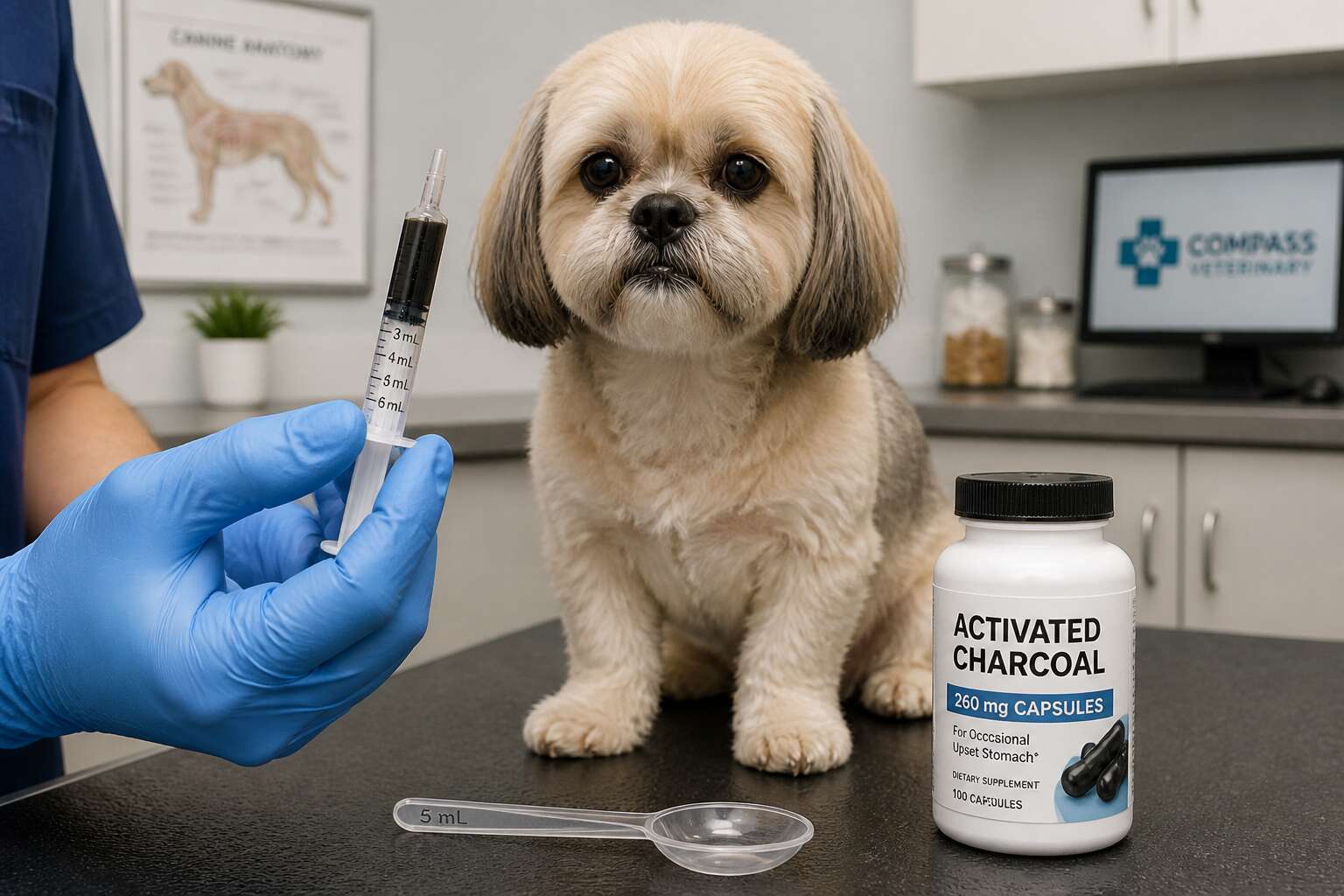
Understanding Activated Charcoal for Dogs
What Is Activated Charcoal
The quiet panic of a beloved pet ingesting something toxic often leads to frantic searches. Many owners reach for activated charcoal as a first line of defence, yet few understand the substance’s true nature. It is not a neutral sponge, but a highly reactive agent that binds to certain molecules in the gastrointestinal tract, preventing their absorption into the bloodstream. The fundamental question remains: how much activated charcoal to give a dog is safe and effective?
The answer is rarely a fixed number. Dosage hinges on the specific toxin, the dog’s weight, and the time elapsed since ingestion. A standard veterinary reference often suggests one to three grams of activated charcoal per kilogram of body weight. However, this is a starting point, not a prescription. For a small breed, this translates to a few teaspoons of powder mixed with water, while a large breed might require several tablespoons. Administering the wrong amount can render the treatment useless or introduce new complications.
Several factors dictate the precise quantity required.
- The molecular size of the poison ingested, as charcoal only binds to certain compounds.
- The presence of food in the stomach, which can hinder or help the binding process.
- The formulation of the charcoal, whether powder, liquid, or tablet.
Attempting to calculate this without veterinary guidance is a gamble with your dog’s health. Activated charcoal can also cause vomiting or constipation, and it is contraindicated for certain poisons, like alcohols or petroleum products. The emotional urgency to act is powerful, but the act of guessing a dosage based on anecdotal advice is a dangerous substitute for professional assessment. Contact your local vet or a poison control hotline immediately to get a tailored calculation.
How Activated Charcoal Works in a Dog’s Digestive System
The clock ticks with malignant urgency once a toxin slips past a dog’s lips. Within that frantic window, the charcoal enters the gastrointestinal theatre not as a passive observer, but as an agent of interception. The powder’s immense surface area, a labyrinth of microscopic pores, creates a physical electrostatic bond with the offending molecule. This process, known as adsorption, is the crux of the treatment. The poison is effectively held captive within the gut’s lumen, its molecular structure so entangled with the charcoal that it cannot traverse the intestinal wall into the bloodstream.
This mechanism, however, is not a universal sieve. The binding affinity depends heavily on the toxin’s own chemistry. Water-soluble compounds are generally poor candidates for adsorption, while lipid-soluble molecules are often more readily trapped. Furthermore, the entire operation is a race against peristalsis. The longer the poison resides in the digestive tract, the more time it has to be absorbed. The charcoal must reach the site of action swiftly and in sufficient quantity to overwhelm the toxic load. Gastric contents also play a pivotal role; a full stomach can slow gastric emptying, potentially providing more time for the charcoal to work, but it can also physically shield the poison from the charcoal’s contact. The final outcome depends on a delicate interplay of timing, solubility, and the sheer surface area available for the binding process. And it is precisely this complexity that makes the calculation of how much activated charcoal to give a dog a matter for professional calculation rather than a blind guess.
Common Uses in Veterinary Emergency Medicine
The average South African household has no idea that a single sachet of activated charcoal can be the difference between a frantic call to the emergency vet and a quiet, uneventful afternoon. Yet the product is not a universal antidote. In veterinary emergency medicine, the substance is deployed with surgical precision, reserved for specific toxicological events where the timing aligns with the drug’s mechanism of action.
Veterinarians commonly rely on activated charcoal for exposures to organophosphates found in garden pesticides, certain rodenticides, and toxic plants like the Saguaro cactus. It also shows efficacy against ibuprofen and paracetamol, which are frequent culprits in suburban poisonings.
– Household cleaning agents that contain ethylene glycol
– Mycotoxins from mouldy food sources
– Certain cardiac glycosides from specific flora
The veterinary use is not a casual decision. The critical bottleneck is the calibration of how much activated charcoal to give a dog, which is dictated by body weight and the presumed volume of poison ingested. A correct dose can bind up to 90% of the toxin, while an underdose risks leaving the remainder to enter circulation. The margin for error is slim, and the judgement call is never made on the fly. This is why the Poisons Information Centre in Cape Town handles hundreds of calls annually, many of which end with strict instructions to administer charcoal only as a precursor to a clinical visit. The real question is not whether to use it, but whether the dog’s physiology and the poison’s chemistry demand its use at all.
When Activated Charcoal Is Appropriate
Types of Toxins It Can Help Absorb
In emergency toxicology, the difference between life and death often comes down to minutes, not milligrams. Activated charcoal is not a universal antidote. It is appropriate only for toxins that remain in the digestive tract and bind readily to carbon particles.
- chocolate and caffeine alkaloids
- ibuprofen and other NSAIDs
- organophosphate pesticides
- certain rodenticides like bromethalin
Before you calculate how much activated charcoal to give a dog, verify the ingested substance. Charcoal shows no benefit for heavy metals, ethanol, or corrosives. In fact, it can obscure endoscopic views in such cases.
Situations Where Activated Charcoal Should Be Avoided
Timing dictates whether activated charcoal saves a life or does nothing at all. The poison must still be inside the digestive tract for the powder to bind. Once the toxin crosses the intestinal wall, the charcoal becomes irrelevant. Corrosives, heavy metals, and petroleum products should never be treated with charcoal. These substances can cause further tissue damage or obscure endoscopic views.
Your veterinarian determines the dose based on body weight and the specific toxin involved. We see cases where owners rely on guesswork. This is where the question of how much activated charcoal to give a dog becomes a clinical decision, not a guessing game. Situations that demand caution include:
- Ingestion of bleach or other caustic cleaners
- Toxins already absorbed into the bloodstream
- Substances that carry a high risk of aspiration
Charcoal only works when the toxin is confirmed carbon-binding. The decision rests on professional judgment.
The Critical Role of Veterinary Guidance
The appropriate use of activated charcoal hinges on timing and veterinary oversight. When a toxin is still traversing the gut, charcoal acts as a dark sponge, binding the poison before the body can claim it. But the question of how much activated charcoal to give a dog is never answered by instinct or internet folklore. It is answered by a veterinarian who understands the drug’s limitations and the patient’s weight.
Charcoal serves only confirmed carbon-binding toxins. Your vet will evaluate:
- The compound ingested
- The time elapsed since ingestion
- The dog’s existing health conditions
Without this assessment, charcoal becomes a hollow gesture. The dosage calculation requires precision, and precision belongs in professional hands. In South Africa, emergency clinics provide access to veterinary toxicology resources, transforming a panicked moment into a measured response.
Timing: Why Quick Administration Matters
The clock becomes the first responder. Activated charcoal works only while the toxin remains in the digestive tract, a window that narrows with every passing minute. Once the poison crosses the intestinal barrier, the charcoal’s purpose evaporates. In South Africa, where snakebite antivenom and household chemicals share emergency shelves, this timing dictates survival. Presenting your dog within one to two hours of ingestion allows the charcoal to intercept the toxin before absorption completes. Some compounds slow gastric emptying, extending that grace period, while others sprint through the system.
Signs that immediate administration is required:
– Vomiting or retching after suspected exposure
– Tremors, drooling, or sudden lethargy
– Known ingestion of a confirmed charcoal-binding substance
Every delay shifts the calculation of how much activated charcoal to give a dog. That number means nothing if the moment has passed. A veterinarian calculates the dose against both weight and elapsed time, because a charcoal dose too late is merely a dark drink.
Calculating the Right Dosage by Weight
Standard Dosage Guidelines for Dogs
Calculating the correct dose starts with an accurate weight. Standard veterinary guidelines recommend 1 to 5 grams of activated charcoal per kilogram of body weight. The exact figure depends on the toxin’s binding strength and how recently your dog ingested it. For a 10 kg dog, the range spans 10 to 50 grams. A 25 kg dog would need 25 to 125 grams. This variability explains why professional input remains non-negotiable.
- Under 10 kg: use 1 to 3 grams per kg for mild cases
- 10 to 25 kg: stick to the middle range
- Over 25 kg: rarely exceed 4 grams per kg
Your veterinarian will adjust these numbers based on clinical signs. How much activated charcoal to give a dog is a weight-driven calculation, never a guess.
How to Accurately Weigh Your Dog
Studies show that pet owners routinely overestimate their dog’s weight by nearly 20 percent. That margin of error can shift how much activated charcoal to give a dog from a safe range into a harmful one. Guesswork has no place in toxicology.
Use a digital scale calibrated for small animals. For a restless patient, weigh yourself first, then hold the dog and subtract your own mass. This dual reading method accounts for squirming. For large breeds, a veterinary walk-on scale remains the preferred approach.
- Weigh at the same time each day
- Use the same scale consistently
- Record the reading before administering anything
Body condition alters absorption rates, so an accurate mass is only half the equation. The final calculation still belongs to a professional.
Converting Pounds to Kilograms for the Formula
Converting pounds to kilograms is non-negotiable when calculating activated charcoal for a dog. The formula demands milligrams per kilogram, so a weight in pounds must be divided by 2.2 first. A 22 pound dog weighs exactly 10 kilograms. Miss that conversion and you could double the dose or reduce it to nothing, depending on which side of the decimal you land on.
- Record the weight in pounds from your scale.
- Divide that number by 2.2 to get kilograms.
- Use that kilogram figure in the dosage calculation.
Every veterinary toxicology reference uses the metric system for this reason. The margin between effective and harmful is narrow in small breeds. That is why the question of how much activated charcoal to give a dog always starts with a reliable kilogram figure. Rounding up by a few tenths of a kilogram shifts the total dosage noticeably.
Adjusting the Dose Based on the Poison or Toxin
One milligram per kilogram might seem clinical until a 15 kilogram dog swallows a lethal dose of snail bait. The calculation for how much activated charcoal to give a dog starts with weight but never ends there. Veterinarians use a base figure of 1 to 3 grams per kilogram of body weight. A toxicologist may push the upper limit for certain poisons. A milder irritant might only need the lower range.
Toxin type changes the equation. Some substances bind easily to charcoal. Others require repeated dosing because the poison recycles through the gut. The following factors shift the amount:
– The chemical structure of the toxin.
– The time elapsed since ingestion.
– Whether the toxin slows gastric emptying.
– The presence of food in the stomach.
A slow acting poison allows more time for absorption, so the initial dose may be lower but repeated. A fast acting toxin demands a maximum dose immediately. The formula remains the same at its core, but the variance lies in the antidote strategy. Only a veterinary toxicologist can judge the margin safely. How much activated charcoal to give a dog is therefore both a number and a judgment call.
What to Do If You Are Unsure About the Amount
Your dog’s weight anchors the entire calculation for how much activated charcoal to give a dog. The base formula is 1 to 3 grams per kilogram, so a 15 kilogram dog receives 15 to 45 grams. That spread looks wide because it is. The toxin determines the final number. To weigh accurately, use a consistent method.
A bathroom scale works for most dogs. Use this method:
- Weigh yourself first.
- Hold the dog and weigh again.
- Subtract the first figure from the second.
For puppies under two kilograms, a kitchen scale delivers the precision needed.
If you are unsure about the amount, stop and phone a veterinarian. Guessing with charcoal can block the gut or delay proper treatment. Time matters, but a wrong dose creates a second problem. The poison hotline charges a small fee; the peace of mind is worth it. How much activated charcoal to give a dog becomes clear when a professional runs the numbers. Let them.
Safe Administration Techniques
Mixing Activated Charcoal With Water or Food
Mixing activated charcoal into a slurry demands patience and a steady hand. Warm water, roughly 50 ml per 10 kg of body weight, turns the powder into a pourable liquid that dogs can swallow more easily. A syringe angled toward the cheek pouch works well, though letting the dog lap from a bowl reduces stress and the risk of inhaling the mixture.
When water alone fails, a small portion of low fat, plain food such as mashed pumpkin or cooked sweet potato can carry the dose. These bland options do not interfere with the charcoal’s binding action, unlike dairy or fatty meats.
- Measure the exact dose using a kitchen scale.
- Combine with warm water and stir until no dry clumps remain.
- Offer in a shallow bowl, or administer via syringe in slow increments.
Determining how much activated charcoal to give a dog is essential, but the delivery method decides whether the dog keeps it down. Pause if the dog coughs or gags, and reposition before continuing. A calm, steady approach ensures the full amount enters the stomach without incident.
Using a Syringe or Feeding Tube for Reluctant Dogs
When a dog refuses to swallow, the stakes rise. Syringe administration becomes the primary tool for ensuring the correct amount enters the system. Fill the syringe with the prepared slurry immediately before use. Tilt the dog’s head up slightly, but not excessively, to avoid aspiration. Place the tip between the cheek and the back teeth, then depress the plunger slowly. Releasing the entire dose at once triggers a gag reflex.
Feeding tubes offer a secondary route for critically ill patients. This method requires veterinary placement to ensure the tube rests in the stomach, not the trachea. Once secured, the slurry flows through the tube, bypassing any taste aversion. This technique proves invaluable for dogs that are unconscious, heavily sedated, or exhibiting severe resistance. The tube is then flushed with water to clear residual charcoal.
For reluctant dogs, patience controls the outcome. Small increments of 5 ml to 10 ml allow the dog to swallow naturally between syringes. Administering charcoal this way takes time, but it protects the airway. A stressed dog may pant, which increases the risk of inhalation. Stop, allow the dog to settle, and resume only when breathing normalizes.
– Keep the syringe tip positioned near the cheek pouch, not the throat.
– Administer in 5 ml pulses for small breeds, 10 ml for larger dogs.
– Wait for a swallow before giving the next portion.
The correct answer to how much activated charcoal to give a dog matters only if the dog retains the dose. A feeding tube removes the guesswork from swallowing, while a syringe demands precision and control. Both methods require a calm handler and a clear understanding of the dog’s limits. Emergency protocols often rely on these techniques when a dog’s cooperation fades. The vet’s guidance on administration technique should always steer the process.
How to Monitor Your Dog During Administration
Once the slurry enters the dog’s mouth, the focus shifts from the syringe to the dog’s response. The exact calculation of how much activated charcoal to give a dog matters little if the product ends up on the floor. Watch the chest rise and fall. A sudden cough or a wet, gurgling sound signals that some charcoal has entered the airways. The handler stops at that point and lowers the head.
Monitor these signs during every pause between syringes:
- Fast or shallow breathing
- Repeated lip licking or swallowing without progress
- Trembling or sudden agitation
- Blue or pale gums
Vomiting can occur within minutes. This is common with activated charcoal, but it complicates the dosing. If the dog vomits, redosing should wait. The veterinarian will need the volume and timing of the loss. The answer to how much activated charcoal to give a dog may change after such an event. Keep the dog quiet and observe for the next hour.
What to Expect After Giving the Charcoal
The hard part comes after the last syringe. The dog will likely produce black, tarry stools for the next day or two. This is not bleeding. It is the charcoal moving through the system. Expect drooling and stained paws. The charcoal is gritty and alkaline. Mild gastric upset is common.
Safe administration requires a steady hand and a calm posture. I never tilt the head back. That angle opens the airway. Aim the syringe toward the cheek pouch and release small amounts. Let the dog swallow naturally. If the dog resists, pause and allow a rest period.
After the final dose, watch for these responses:
- Dark, loose stools within six to twelve hours
- Increased thirst or a brief loss of appetite
- Mild gagging that settles quickly
The answer to how much activated charcoal to give a dog depends on the toxin, but the aftercare stays consistent. Offer water frequently. Do not force the dog to eat.
Side Effects, Risks, and When to Call the Vet
Common Side Effects to Watch For
The aftermath of an emergency dose is almost more telling than the administration itself. A dog’s body speaks in disruptions, and charcoal, for all its absorbent virtue, prompts a visible response. In most cases, that response is mild, but it warrants a composed watchfulness. Gastro distress is the chief harbinger, with vomiting and diarrhoea presenting as the most common side effects. The stool will turn an ominous, ink-dark hue, a harmless spectacle that might alarm the unprepared owner. Constipation may follow the purge, a sluggishness that requires gentle monitoring.
There is a serious risk should the slurry find its way into the lungs. Aspiration pneumonia is a formidable foe, a direct consequence of a hasty syringe push. A dog that coughs, gags, or shows laboured breathing after intake demands immediate veterinary intervention. Prolonged diarrhoea can also tip the balance toward dehydration, which is especially dangerous for smaller breeds.
The duration of symptoms is your gauge. If the black stool or vomiting persists beyond a single day, or if the dog refuses water, abandon all home management. Call your veterinarian at once. The instructions you have, however precise, cannot replace clinical judgement. So when calculating how much activated charcoal to give a dog, remember the sequelae are part of the process. If the animal becomes listless, begins to tremble, or enters a state of collapse, do not wait. Seek professional counsel immediately.
Dangers of Aspiration and Other Complications
Even a measured dose carries risk. The greatest danger is aspiration, when the slurry slips into the trachea instead of the oesophagus. A cough, a sputter, or a sudden wheeze demands an immediate call to the veterinarian. Aspiration pneumonia develops quickly and turns a manageable emergency into a critical one.
Other complications are quieter. Charcoal lingering too long in the gut can harden into an obstruction. Persistent vomiting can drain electrolytes and leave a dog weak. The question of how much activated charcoal to give a dog matters far less than the observation that follows.
- Call the vet if breathing becomes laboured or noisy.
- Call if the abdomen appears bloated or painful.
- Call if the dog refuses water for more than a few hours.
The dose was a tool, not a cure. The veterinarian holds the finishing line. Trust that instinct to call when something feels off.
Red Flags That Require Immediate Veterinary Care
Side effects can be deceptively mild. Black stools and temporary constipation are common and harmless, yet a dog that strains for over a day or shows abdominal tenderness might be developing a blockage. The charcoal itself can become a hard mass when too little fluid accompanies it. That is a quieter danger than aspiration, but equally urgent.
Another overlooked risk is false reassurance. Charcoal binds only certain molecules. If your dog swallowed something like antifreeze or a concentrated pesticide, the dose is nearly useless. You watch for improvement that never comes while the real toxin works internally. The question of how much activated charcoal to give a dog matters, but knowing what it cannot do matters more.
- Repeated vomiting after the charcoal dose
- Violent, watery diarrhoea for more than six hours
- Seizures, tremors, or unsteady walking
- Gums that turn pale, blue, or muddy brown
Each red flag demands immediate veterinary care. A dog that passes no stool within 48 hours also warrants attention, as does one who becomes lethargic despite appearing stable. Trust these signs over any formula. The dose was only a step, not the finish line.



0 Comments