Understanding Activated Charcoal
What Is Activated Charcoal?
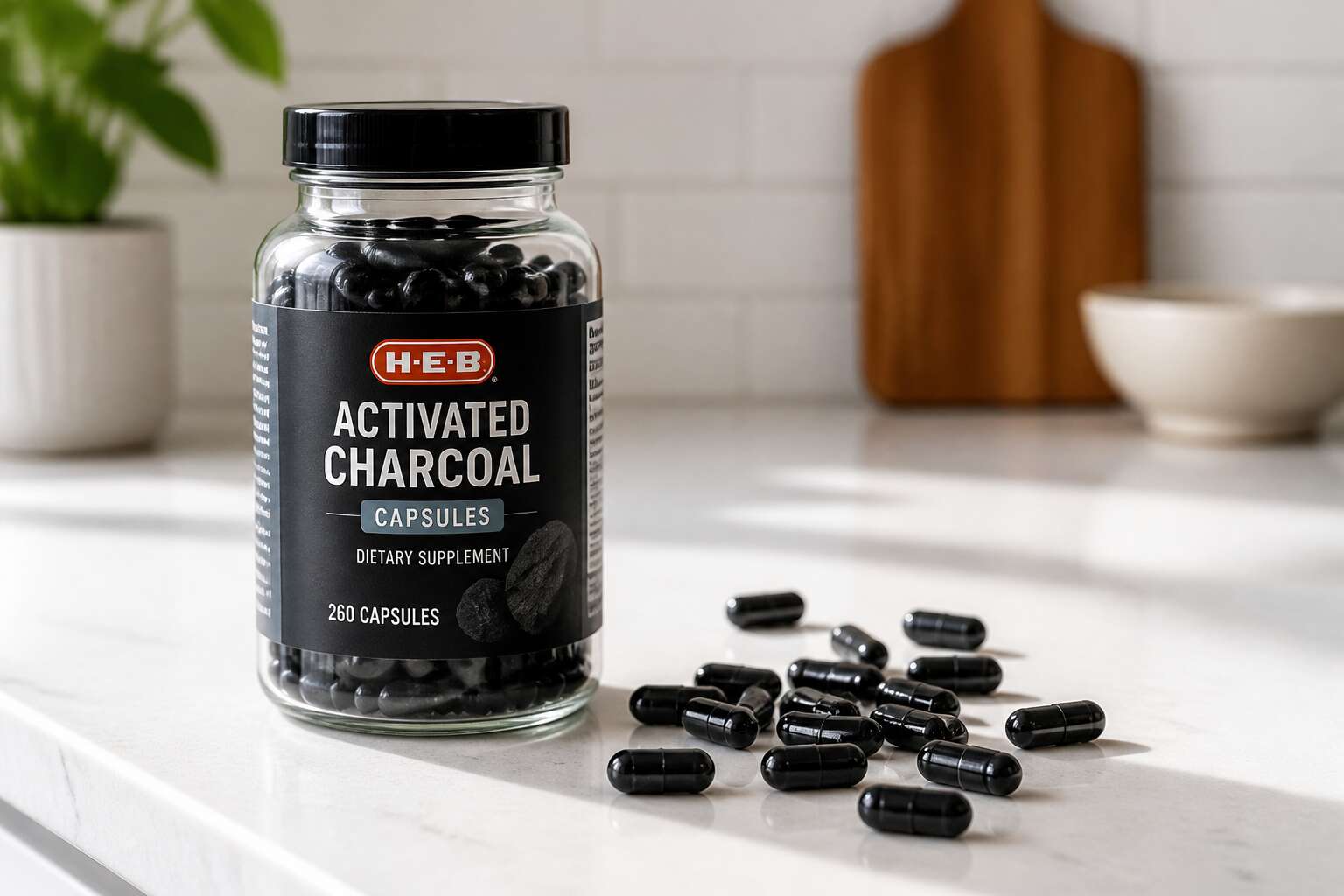
Activated charcoal heb begins as coconut shells or peat, then receives steam or chemical treatment to develop millions of tiny pores. A single gram can cover an area larger than two cricket pitches. Those pores trap molecules through adsorption, meaning the molecules stick to the surface rather than bonding chemically.
The practical uses range from medicine to water purification. Emergency rooms use it for certain poisonings. Hikers carry it to filter water. However, there are limitations.
- It does not bind every toxin equally.
- It is most effective before the toxin spreads through the body.
- It can remove beneficial nutrients alongside unwanted ones.
This is why the material requires careful timing and caution!
How It Differs from Regular Charcoal
Regular charcoal is for heat or art. Activated charcoal heb is for trapping molecules. The difference lies in activation. Standard charcoal gets carbonized and stops there. The active version gets an extra steam or chemical treatment that creates millions of micropores. Regular charcoal has very few of these pores, so it cannot adsorb much. Activated charcoal heb has enough internal surface area to bind toxins and odors effectively.
- Regular charcoal: low pore count, good for burning or drawing.
- Activated charcoal heb: high pore count, good for filtration and medical use.
One burns, the other filters. That’s why emergency rooms stock one but not the other. Regular charcoal would fail as a poison treatment. The active version works because of its pore structure. Same starting material? Not always! Different processing, completely different jobs.
Common Uses in Wellness and Skincare
A single gram of activated charcoal heb offers more internal surface area than a tennis court. That statistic explains why this ingredient appears in both skincare and first aid kits! In wellness, this porous material binds to oil, dead skin, and pollutants. It provides a deep clean without the gritty abrasives found in many scrubs.
For daily routines, this ingredient appears in toothpaste, soaps, and face masks. A sensible approach includes:
- Masks for clogged pores
- Toothpastes for coffee stains
- Body washes for odours
Use these once or twice a week. Overuse strips natural oils and leaves skin tight. Moderation wins.
Safety Considerations and Side Effects
The same adsorptive power that lifts stains can also grab your daily medication. Activated charcoal heb does not distinguish between impurities and essential nutrients. Prescription drugs, oral contraceptives, and vitamins can all lose potency when taken near the same time. The interaction also diminishes the charcoal’s own adsorbing capacity.
Watch for these reactions when using it internally:
- Constipation or black stools
- Nausea, though uncommon
- Vomiting in high doses
On the skin, the most frequent complaint is redness or a stinging sensation, especially for sensitive types. I have seen people treat it like a daily wellness ritual, but the evidence does not support that. This ingredient works best as a targeted tool. Respect its limits, and it serves you well!
Finding Activated Charcoal Products at HEB
The HEB Wellness Aisle: What to Expect
Only a third of HEB shoppers ever explore the Wellness Aisle. That is where activated charcoal heb products quietly sit, from capsules to powders. The stock rotates with seasonal trends, so regular visits reveal new arrivals.
Most stores group these items near digestive health supplements. Some locations place skincare charcoal in the beauty section instead. Check both areas if your first search comes up empty.
- Activated charcoal capsules
- Charcoal powders for smoothies
- Charcoal toothpaste and face masks
In my experience, HEB’s private label often matches national brands in price. Wellness associates can verify what each local store carries. Stock varies by store size and neighborhood demand.
Popular Formats: Capsules, Powders, and Toothpaste
Walking the supplement aisle at HEB, activated charcoal heb products usually sit between digestive aids and protein powders. Capsules dominate the shelf space, with private label bottles often priced close to national brands. Powdered versions appear less frequently, but many stores keep them near smoothie supplements or detox sections.
Toothpaste requires a different search. Most HEB locations stock charcoal toothpaste in the oral care aisle, not the wellness section. Some smaller stores integrate it into natural beauty displays instead. I have learned to check both areas before asking a wellness associate! They can point you to the right spot for the format you need.
Comparing HEB Store Brands and National Brands
When scanning the shelves for activated charcoal heb, the price gap between house labels and familiar names can surprise you. Store brand capsules often contain the same potency, yet cost less. National brands justify their price with third-party testing and broader flavor options.
At HEB, finding the right product depends on your priority. Compare three factors:
- Source of the charcoal: coconut shell versus hardwood
- Additives: binders or fillers in the capsule
- Certifications: organic, non-GMO, or vegan labeling
I have bought both. The store brand performs fine for occasional detox routines. The national brand offers consistency, but the difference rarely matters for daily use. Check the lid seal and expiry date before committing, because freshness affects quality more than branding.
Price Ranges and Value Packs
The price of activated charcoal heb products varies wildly once you factor in pack size. A 30 capsule bottle might set you back R150, while a 120 capsule value pack often drops below R300. That price difference matters if you use it daily.
HEB stocks several tiers. The basic range sits under R200, the mid tier hovers between R200 and R350, and the premium powders climb above R400. Value packs offer the best per gram cost, especially for powders.
- Check the price per capsule, not the shelf price
- Look for twin packs on the bottom shelf
- Compare expiry dates across same sized bottles
I have seen the bulk jars hide at eye level while the smaller bottles sit at the front. That placement nudges you toward the pricier option. Always scan the full shelf before grabbing the first activated charcoal heb box you spot!
Checking Availability Online and In-Store
A shelf gap where the activated charcoal heb should sit tells you more than any stock report. Before driving across town, check the HEB app or website. The search function shows real time inventory for each branch, updated continuously throughout the day.
In-store, the wellness aisle organises products by format rather than brand. Capsules on one side, powders on another, toothpaste sometimes relocated to oral care. Ask a floor associate if the shelf looks thin, because the back room often holds unopened cartons.
- Use the app’s “at my store” filter for accurate stock levels
- Place an online pickup order to secure your activated charcoal heb purchase
- Visit early on Tuesday mornings for restocked shelves
Payday weekends drain supply quickly. The digital stock counter updates faster than shelf labels ever could.
How to Choose the Right Activated Charcoal Product
Identify Your Purpose: Digestion, Teeth Whitening, or Skin
Choosing activated charcoal heb without a purpose is a recipe for regret. Digestion calls for capsules or loose powder that dissolve in the stomach. Teeth whitening demands a fine abrasive, found in a proper charcoal toothpaste. Skin care benefits from a mask that keeps the charcoal pressed against pores.
The label reveals more than you might expect. Particle size changes how much surface area is available for adsorption. Additives such as binders or clays shift the effect. A capsule might include extra fillers that slow things down. A whitening paste could rely on silica for scrubbing rather than absorbing. A mask with kaolin targets oil differently than a pure charcoal mix.
Match the format to the complaint:
- Stomach issues: capsules
- Stained teeth: low abrasion toothpaste
- Breakouts: charcoal mask
Read the ingredient list on activated charcoal heb to confirm what rides along. The correct selection delivers relief, not a gritty mess.
Reading Labels: Activated Ingredients and Additives
Advertising speaks in absolutes, but the ingredient list on activated charcoal heb tells the truth. The active ingredient is usually straightforward, yet additives require scrutiny. A capsule may contain magnesium stearate as a flowing agent. A whitening toothpaste often relies on hydrated silica for abrasion. A mask might blend kaolin to adjust oil absorption. These extras are not necessarily harmful, but they redefine what the product actually does.
Before buying, understand the texture and purity. Fine charcoal increases surface area for adsorption. Coarse particles scrub rather than bind. Flavors and sweeteners in oral products add nothing but taste. Allergens like gluten can hide in capsule shells.
- Examine particle fineness indicated on the package
- Count the ingredients beyond activated charcoal
- Verify if the charcoal is derived from coconut shells or wood
Choosing activated charcoal heb with a minimal list ensures you get the intended effect without surprises. The label provides the facts, not the marketing.
Dosage Guidance for Supplements
Supplements demand a different mindset than food. You are not feeding hunger; you are negotiating with your digestive system. Activated charcoal heb capsules typically contain 500 mg per serving, but the right amount depends on your body’s signal.
For bloating or gas, begin with one capsule and plenty of water. The charcoal needs room to work. Separate it from medication and meals by two hours, because it binds indiscriminately.
- Start low and observe the next 24 hours
- Increase only if symptoms persist
- Stop if your stool turns black for more than two days
Your body has its own wisdom. Activated charcoal heb is a tool, not a directive. Read the label, respect the dose, and let your own response be the guide.
What to Avoid in Low-Quality Products
Choosing activated charcoal heb requires discernment. Some products claim purity but contain hidden binders. Look for capsules or powders that list only activated charcoal as the active ingredient. A reputable brand will disclose the source, whether coconut shell or hardwood. Finer powder offers more surface area for adsorption. I avoid added sweeteners, artificial colors, or silica. Those additives weaken the charcoal’s binding power.
When inspecting a product, be wary of vague labels. If the packaging boasts “detox” benefits without specifying dosage or origin, treat it as a warning. Quality charcoal should be black, odorless, and tasteless. Low-quality versions might crumble unevenly or leave gritty residue. Check for third-party testing or a certificate of analysis. A responsible manufacturer provides this data without hesitation. For activated charcoal heb, the difference between a useful tool and a wasteful trick often appears in the fine print.
Tips for Using Activated Charcoal Safely and Effectively
Best Practices for Ingestion and Timing
The act of swallowing black powder carries its own weight. Timing is the first discipline. Activated charcoal HEB should be taken on an empty stomach, ideally in the morning before any food. Leave a gap of at least two hours after taking medication or supplements, because the charcoal will bind to them as readily as it binds to toxins. This is the essential rule of safe ingestion.
Water matters just as much. Drink a full glass with each dose and keep your intake steady throughout the day. The powder pulls moisture into the gut, and without enough liquid, you risk constipation. A standard dose of 500 to 1000 milligrams serves most purposes. Follow the label and never take charcoal more than once or twice a week, as routine use strips the body of essential nutrients.
Interactions with Medications and Nutrients
Activated charcoal heb has no preference for what it captures. A dose taken alongside your morning thyroid pill will bind to that medication as readily as it binds to toxins. Space all ingestions by at least two hours, and remember that this rule extends to vitamins and minerals.
Repeated use depletes calcium, potassium, and folate. The gut absorbs what it can before the charcoal passes, but the absorption period is short. Hydration is your best defence against discomfort.
- Two hours after medication
- Two hours after supplements
- Two hours after meals
Skincare Application Techniques
Activated charcoal heb works best when you treat it like a ritual, not a chore. In my own routine, I dampen my face first, because dry charcoal skips over pores instead of drawing out oil. Then I apply a uniform layer with two fingers, avoiding the delicate eye area. The mask should dry to a matte finish within eight minutes; if it cracks earlier, I applied too thickly.
Ten minutes is the maximum I leave it on. Cold water breaks the charcoal film gently, and I pat, never rub, my skin dry. A lightweight moisturiser follows immediately. For anyone with rosacea or broken skin, skip the charcoal entirely; healing trumps purification.
Storage and Expiration Considerations
Activated charcoal heb loses its sorptive power once exposed to ambient moisture. I keep my container sealed and away from bathroom humidity. The typical shelf life spans two to three years, but the clock starts when you open the foil seal. Watch for a dull grey sheen or a faint musty smell; those are signals to discard.
For capsules, inspect the gelatin for brittleness. Powders clump when they absorb water, which defeats the purpose entirely. Storage errors are the most common reason for disappointing results. Use this checklist:
- Keep away from sunlight.
- Store in an opaque container.
- Never refrigerate.
- Close the lid immediately after measuring.
Expired charcoal won’t harm you, but it won’t work either. When in doubt, replace it. Your next application depends on the integrity of what you store.
When to Consult a Healthcare Professional
Using activated charcoal heb safely requires deliberate attention to timing and context. Take it at least two hours apart from any medication, because it binds to whatever crosses its path in the digestive tract. That includes nutrients, so space it well from meals. Hydration matters, as the fine powder can draw water into the bowels and leave you feeling noticeably dry.
A few rules guide most safe practices:
1. Stop using it immediately if you experience persistent nausea or vomiting.
2. Seek medical advice if you take prescription medicines on a daily basis.
3. Consult a professional before using it for anything beyond mild digestive upset.
I have seen this substance treated as an endless remedy, which it is not. Activated charcoal heb performs best when used sparingly and with a certain reverence. If symptoms linger beyond a day or severe abdominal pain appears, do not wait. Let a physician assess you before your condition worsens.


0 Comments