Understanding Norovirus and Common Symptoms
What Is the Stomach Bug?
A single contaminated surface can leave a household doubled over within hours. Norovirus, commonly called the stomach bug, is fiercely contagious and spreads quickly through schools, offices, and public transport. In South Africa, outbreaks often rise during cooler months when people gather indoors.
Symptoms hit hard and fast:
- Sudden, intense nausea and vomiting
- Watery diarrhoea and abdominal cramps
- Mild fever, chills, and muscle aches
These signs typically emerge 12 to 48 hours after exposure. Most people recover within three days, though dehydration poses a real risk. This is why some researchers investigate activated charcoal norovirus remedies, hoping to shorten the misery or prevent the virus from binding.
How the Virus Spreads Quickly
Norovirus needs remarkably few particles to trigger illness. Some estimates suggest fewer than twenty viruses can infect a healthy adult, yet one infected person sheds billions of copies! In South Africa, this imbalance fuels outbreaks through taxis, school halls, and shared kitchen counters each winter.
Symptoms strike without warning once the virus colonises the gut lining. The body responds with violent vomiting and watery diarrhoea, expelling immense viral loads into the environment. Each episode releases fresh infectious particles onto hands, surfaces, and even into the air.
Transmission follows three pathways:
- Touching contaminated surfaces, then touching the mouth or food.
- Consuming tainted water, ice, or prepared meals.
- Breathing aerosolised droplets from vomiting or flushing toilets.
These pathways explain why norovirus can overwhelm a household within hours. Activated charcoal norovirus research explores whether the substance could trap the virus in the digestive tract and prevent infection from taking hold.
Recognizing Severe Dehydration Signs
The illness’s signature chaos arrives virtually overnight. What begins as a subtle queasiness transforms within hours into an orchestrated assault on the body’s equilibrium. While the stomach bug often appears as a fleeting inconvenience, its symptoms possess an unmistakable severity. The initial phase presents with sudden, forceful retching that leaves little time to prepare, accompanied by cramping that radiates in waves across the abdomen.
Medical professionals look for specific markers to differentiate standard discomfort from a condition requiring urgent intervention. The symptoms typically manifest as:
– Intense, watery diarrhoea that persists without relief
– Nausea that prevents any oral fluid intake
– Low grade fever that may spike unexpectedly
The real danger, however, lies not in the gastrointestinal distress itself, but in the fluid loss that follows. Severe dehydration can overtake a patient within twelve hours, particularly in children and the elderly. Recognising the warning signs proves essential. The skin loses elasticity, the mouth becomes parched, and urine output diminishes to dark, concentrated drops. Lethargy sinks in, and the eyes appear sunken in their sockets. When these signals appear, the search for remedies like activated charcoal norovirus solutions often becomes secondary to immediate medical attention. Understanding this progression from initial symptoms to critical dehydration arms South African families with the knowledge to act decisively during an outbreak.
Duration and Recovery Timeline
Norovirus symptoms clear within 48 to 72 hours, yet full recovery takes considerably longer. Most South Africans expect the bug to arrive and depart within a single weekend. The evidence suggests otherwise.
The acute phase is intense but mercifully brief. Distress peaks around day two. By day three, most begin to feel human again, though body reserves remain depleted. The gut lining needs extra days to heal properly.
This is where activated charcoal norovirus conversations gain traction. People search for shortcuts, but the body sets its own pace. The typical timeline unfolds in three stages:
- Days 0 to 2, acute phase with frequent vomiting and diarrhoea.
- Days 2 to 3, symptoms subside and appetite returns.
- Days 3 to 7, energy recovers but digestion stays sensitive.
Households should plan for the full duration, not merely the first few days. This timeline frames how activated charcoal norovirus remedies relate to overall recovery.
How Activated Charcoal Works in the Body
The Science of Adsorption
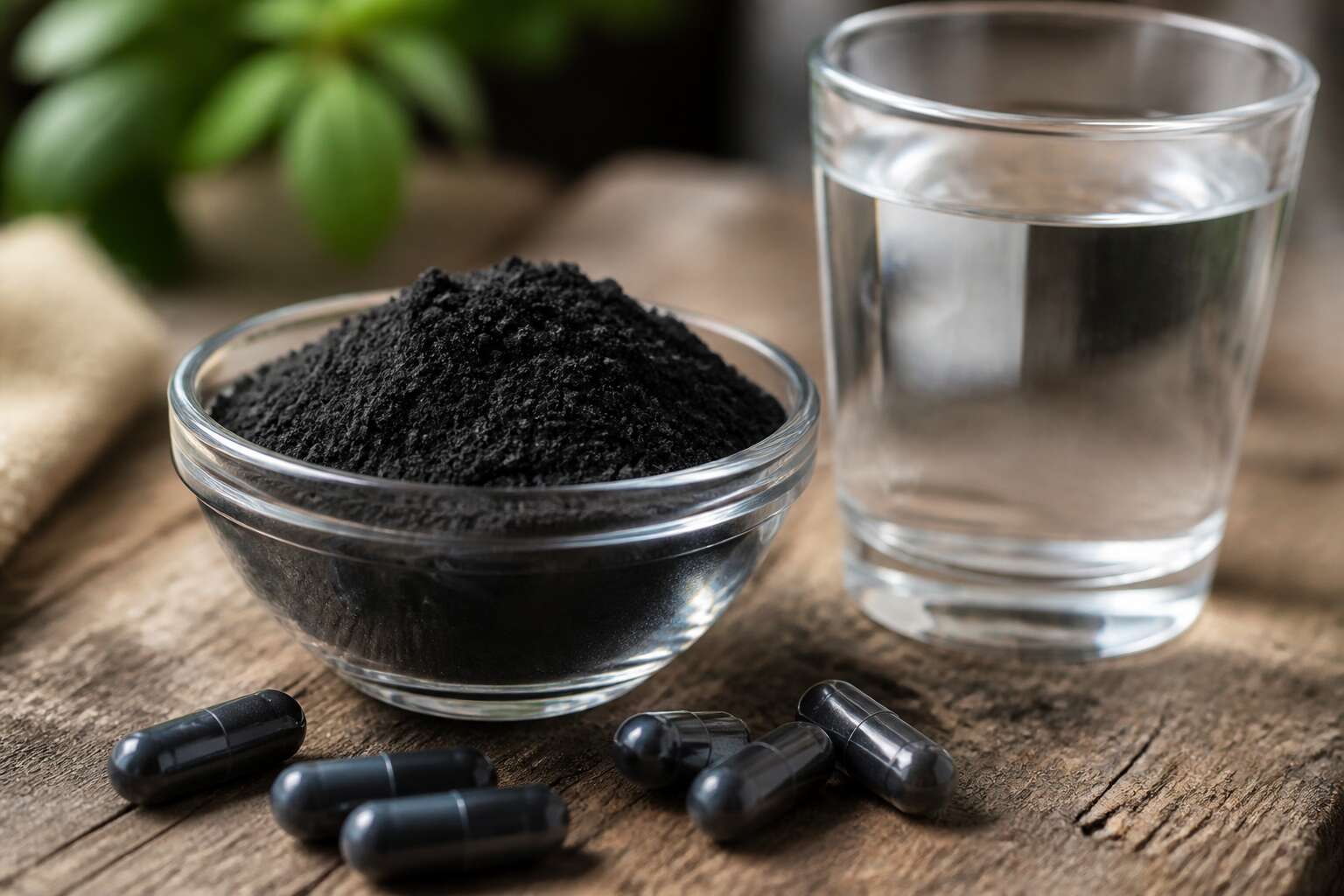
Charcoal’s role in the gut is often misunderstood. Rather than dissolving into the bloodstream, activated charcoal works through adsorption, a surface level chemical reaction. This process binds toxins and certain pathogens to the charcoal’s porous structure, preventing them from being absorbed by the intestinal lining. The particles are then safely passed out of the body. This very physical action works best when the charcoal is introduced early during an episode, before the contents of the stomach move deeper into the digestive tract.
What does this mean for a viral invader like norovirus? The science is specific. Norovirus thrives by latching onto intestinal cells. Binding the virus before that attachment occurs limits its ability to multiply and prolong the illness. However, activated charcoal is a blunt instrument. It is not selective in what it binds, and its effectiveness depends heavily on timing and the sheer volume of fluid and electrolytes lost during the illness.
- It does not kill the virus directly.
- It does not cure dehydration or replace lost electrolytes.
- It can bind other medications taken at the same time.
Oral charcoal is a supportive measure, not a clinical cure. While some use activated charcoal norovirus protocols at home, the primary battle remains fluid replacement. Understanding adsorption clarifies the boundary between symptom management and true antiviral action. It is a fascinating science, but it is no substitute for rehydration.
Historical Use in Poisoning Emergencies
In 1813, French chemist Pierre Touéry swallowed strychnine mixed with charcoal before an audience. He survived. That stunt cemented activated charcoal’s reputation in emergency medicine for the next two centuries.
Ingesting activated charcoal introduces a highly porous powder to the digestive system. Toxins bind to its surface area and pass through without entering the bloodstream. In poison emergencies, timing dictates success. The charcoal must arrive before toxins move beyond the stomach. It cannot correct electrolyte loss, and it ignores corrosive substances.
- It binds many drug overdoses and foodborne toxins
- It works within a narrow window after ingestion
- It fails against alcohols and heavy metals
For those considering activated charcoal norovirus support, the historical record underscores its role as an early intervention. It does not kill the virus. It does not replace the fluids you lose. And it can interact with prescribed medication. Keep the focus on rehydration as the true emergency measure.
Why Common Cold Remedies Differ
Activated charcoal works through adsorption. Its porous structure creates a vast surface area in the digestive tract. Toxins and drug molecules bind to that surface and pass through without entering the bloodstream. This mechanism is well documented for poison emergencies.
Norovirus, however, does not wait politely in the stomach. It invades the lining of the small intestine and replicates inside enterocytes. Charcoal in the lumen cannot reach these cells. Cold remedies are no better match. They address symptoms like congestion and fever, often by altering immune signals or constricting blood vessels. They were never designed for gastrointestinal invaders.
- Activated charcoal binds particles in the gut.
- Cold remedies alter respiratory symptoms.
- Norovirus infects intestinal cells directly.
That is why activated charcoal norovirus discussions require a precise understanding of where the virus operates.
Charcoal’s Effect on Digestive Toxins
One gram of activated charcoal contains roughly 3,000 square meters of surface area. That porous structure lives in your gut. Toxins pass by, get trapped, and travel out with waste. This process happens entirely within the digestive lumen.
The charcoal does not enter your bloodstream. It does not change your immune response. It simply holds onto molecules that would otherwise cause trouble. Norovirus, however, replicates inside intestinal cells, out of reach. That is why activated charcoal norovirus research shows limited benefit for this specific bug.
Some common digestive toxins that charcoal can bind include:
- Bacterial byproducts
- Certain foodborne contaminants
- Residual drug molecules
This binding reduces the load on your liver during early exposure. But for a virus already lodged in tissue, the effect is minimal.
Examining the Evidence for Digestive Remedies
What Clinical Studies Say
Most digestive remedies survive on anecdote, not evidence. Research on activated charcoal norovirus interactions remains surprisingly thin. Scientists have spent decades studying charcoal for poisoning and drug overdoses, yet viral gastroenteritis is understudied.
A 2017 in vitro experiment showed charcoal binds norovirus-like particles with ease. Those results do not hold up in the human gut. Stomach acid, digestive enzymes, and intestinal mucus all interfere with the adsorption process.
Controlled trials hit practical walls:
– Outbreaks demand immediate treatment, leaving no time for enrollment.
– Symptoms resolve within days, complicating outcome measurement.
– Randomizing sick patients to a placebo raises ethical hurdles.
The evidence we have comes from small observational studies. They hint at possible benefit, but none prove that charcoal shortens illness or eases symptoms. I wish I could point to stronger data, because that distinction matters when you are desperate for relief.
Can Charcoal Trap Viral Particles?
A gram of activated charcoal contains roughly 3,000 square metres of surface area. Norovirus particles measure about 27 nanometres across, small enough to slip inside its pores. A 2017 lab study confirmed the attraction. Norovirus-like particles bound readily to charcoal in a test tube. The premise seems solid.
The human gut is not a test tube, however. Stomach acid, digestive enzymes, and intestinal mucus compete for charcoal’s attention. Several variables determine whether activated charcoal norovirus remedies actually trap viral particles in a living gut:
- Electrostatic charge changes with pH, altering binding strength.
- Food proteins and bile salts occupy the same adsorption sites.
- Gut transit moves charcoal along before the virus gets trapped.
Each variable shifts the outcome. Evidence that activated charcoal norovirus interactions trap particles exists, but only under laboratory conditions, not under the messy reality of an infected intestine. I have seen that distinction matter when desperation takes over.
Comparing with Conventional Anti-Diarrheals
For years, the standard response to diarrhoea was a pill that slowed everything down. Loperamide reduces stool frequency, but it also gives the virus more time to replicate inside the intestine. Activated charcoal norovirus products take the opposite route, adsorbing the virus and hastening its exit. The distinction matters when dehydration is already setting in.
Oral rehydration salts remain the only intervention with proven benefit against viral gastroenteritis. Symptom suppressors and adsorbents alike treat discomfort, not the underlying infection.
- Loperamide treats symptoms, not infection duration.
- Charcoal binds particles, but transit time may limit contact.
- Neither shortens the illness itself.
I have seen patients reach for charcoal tablets, only to return more dehydrated. The appeal of such remedies may rest on hope rather than physiology.
Risks of Self-Medication During Illness
The evidence for digestive remedies remains thin. When a patient reaches for activated charcoal norovirus treatment without medical guidance, the potential harms often outweigh perceived benefits. Charcoal binds indiscriminately, capturing helpful gut flora alongside harmful agents.
Self-medication introduces variables that complicate recovery:
- Incorrect dosing can cause constipation or intestinal blockages
- Delayed medical care allows dehydration to advance unchecked
- Interactions with prescribed medications reduce their effectiveness
What concerns me most is the delay. The body needs fluids and time, not a speculative remedy. A person who treats viral gastroenteritis as a simple toxin problem may miss the real danger, which is fluid loss. Activated charcoal norovirus remedies offer no protection against the systemic effects of dehydration.
The Role of Gut Flora in Recovery
Gut flora governs much of the recovery process after a viral infection. The evidence for digestive remedies, including activated charcoal norovirus protocols, rarely accounts for this biological reality. Charcoal does not discriminate. It binds to whatever passes through the digestive tract, which often includes the bacterial communities that help restore intestinal function.
Research on these remedies remains thin. Clinical studies focus on acute poisoning, not on viral gastroenteritis. In that context, the role of gut flora becomes a secondary concern. Yet for a person recovering from a stomach bug, that flora matters more than any speculative binding effect.
- Gut flora regulates water absorption in the intestines.
- It competes with pathogenic organisms for space.
- It supports immune signalling during recovery.
These charcoal treatments can disrupt these processes without offering a proven benefit. The digestive system needs stability, not a crude filtering agent.
Safe Usage Guidelines for Charcoal-Based Products
Choosing the Right Formulation
Choosing the right formulation starts with reading the label carefully. Many products contain fillers or binders that reduce effectiveness for activated charcoal norovirus use. I always advise selecting a fine powder derived from coconut shells, as it offers a larger surface area for adsorption.
Safe usage requires attention to timing and dosage. You should never combine charcoal with prescription medications, because it can absorb those too. For practical guidance, consider these points:
- Use only medical grade charcoal, not barbecue briquettes.
- Take it at least two hours away from any other medicine.
- Stick to the manufacturer’s recommended dose.
Hydration matters as well, since charcoal can cause constipation if you do not drink enough water. Consulting a pharmacist before using such remedies is wise, especially for children or older adults.
Correct Dosage and Timing
Timing is everything when your stomach is in revolt. For activated charcoal norovirus episodes, the right dose at the wrong moment achieves nothing. I have seen people gulp charcoal with their morning pills, then wonder where their blood pressure medication went.
A sensible rhythm works better:
- Wait two hours after any medicine.
- Use only medical grade powder, not barbecue briquettes.
- Drink water generously to prevent blockage.
Activated charcoal norovirus symptoms do not follow a schedule, but absorption does. The charcoal binds the first thing it meets, so let that be toxins, not your antiretrovirals. Keep doses spaced and modest. A frantic double dose only doubles the constipation risk. Respect the gap, respect the water, and your gut will settle without a dramatic sequel.
Potential Drug Interactions
When activated charcoal norovirus treatment meets your daily medication, the charcoal becomes an indiscriminate guest. It latches onto whatever passes first, including thyroid pills or birth control. I always tell readers to maintain a two hour buffer before and after any prescription. Drug interactions are a real concern; the charcoal binds the first compound it encounters.
Safe usage demands attention to moisture. Store charcoal in an airtight jar, away from steam. Use a glass of water, not juice, to avoid sluggish binding. Never assume chewable tablets have the same adsorption power as powder.
Some essentials for handling activated charcoal norovirus protocols:
– Keep medication schedules separate by at least two hours.
– Stir the powder thoroughly; clumps reduce surface area.
– Hydrate beyond normal intake to ease bowel transit.
Activated charcoal norovirus protocols call for patience. The charcoal does not judge. It simply absorbs, so let it meet only the toxins you intend.
Warning Signs That Require Medical Help
That patience applies after you swallow the dose. Charcoal eases some symptoms, but it does not cure a norovirus infection. Monitor your symptoms. If vomiting continues past the third hour, or if the pain turns sharp and intense, stop the charcoal and call your doctor. Black stools are expected with charcoal, but blood elsewhere is not.
- No urine for eight hours indicates dehydration.
- Confusion or dizziness demands attention.
- Rapid, shallow breathing requires an emergency call.
Store the charcoal in an airtight tin on a dry shelf. Bathroom steam degrades the powder. Stir it into water at room temperature and swallow promptly! If the activated charcoal norovirus treatment exceeds two days, contact the Tygerberg Poison Information Centre.
Supportive Care and Alternatives for Stomach Bugs
Oral Rehydration Solutions That Work
A stomach bug drains the body of water and essential salts. Oral rehydration solutions are the most effective way to restore balance. These solutions contain specific amounts of sodium, glucose, and water. They help the intestines absorb fluids quickly.
Common homemade mixtures include:
– A liter of clean water
– Six teaspoons of sugar
– Half a teaspoon of salt
After stirring well, the solution is sipped in small amounts. While some consider activated charcoal norovirus therapy, charcoal does not address fluid loss. It might bind certain toxins, but it cannot prevent dehydration. Store bought ORS sachets are available at most South African pharmacies. They offer a reliable alternative during a stomach bug. Sipping slowly every few minutes restores fluids without overwhelming the stomach. Rest and light foods support recovery once vomiting stops.
Probiotics and Dietary Recovery
Once vomiting stops, the body enters a quiet repair phase. Probiotics offer a straightforward way to aid this process. South African pharmacies and health shops stock sachets containing Lactobacillus rhamnosus and Saccharomyces boulardii. These strains survive stomach acid and reach the gut intact.
Dietary recovery depends on bland, low fibre foods that do not irritate the digestive tract. The following options are gentle on the system:
- White rice and banana
- Plain crackers or toast
- Clear broth without fat
Activated charcoal norovirus protocols rarely address this stage. Charcoal does not nourish damaged tissues or restore microbial balance. Instead, a gradual return to simple meals, combined with steady fluids, becomes the cornerstone of recovery.
Rest and Immune Support
Fatigue is a symptom, not a weakness. The immune system redirects energy toward viral clearance during a norovirus infection, and sleep is when much of that work occurs. South Africans commonly return to normal activity too soon, which extends the illness. I have watched this pattern repeat in households across the country.
Supportive measures for the immune system include:
- Resting in a cool, dark room to lower heart rate
- Applying a warm compress to the abdomen to ease cramping
- Avoiding strenuous movement until temperature normalises
Activated charcoal norovirus protocols focus on binding toxins in the digestive tract, but charcoal does not support the immune response. The body eliminates the virus through its own defences, and rest complements hydration and dietary recovery. Rest is a biological intervention in its own right!
When Emergency Treatment Is Necessary
While many South Africans reach for activated charcoal norovirus remedies in a panic, supportive care offers the most reliable path. A hot water bottle against the stomach eases cramping without straining the liver. Ginger tea, sipped slowly, settles nausea in ways that charcoal cannot.
Emergency treatment becomes necessary when a patient cannot stand without help or becomes unresponsive. At that point, home remedies delay critical intervention. Charcoal binds digestive contents, but it does not rehydrate tissue or restore electrolytes.
- Keep a bucket and clean towels near the bed
- Use plain water with sugar and salt in small sips
- Monitor urine output every four hours
These measures carry real value. An activated charcoal norovirus protocol cannot substitute for watching a patient’s breathing or mental state. The body clears the virus through vomiting and stool, and supportive care keeps the patient stable while that process runs its course.

0 Comments