The Mechanics Behind Activated Charcoal Filters
How Adsorption Differs from Absorption
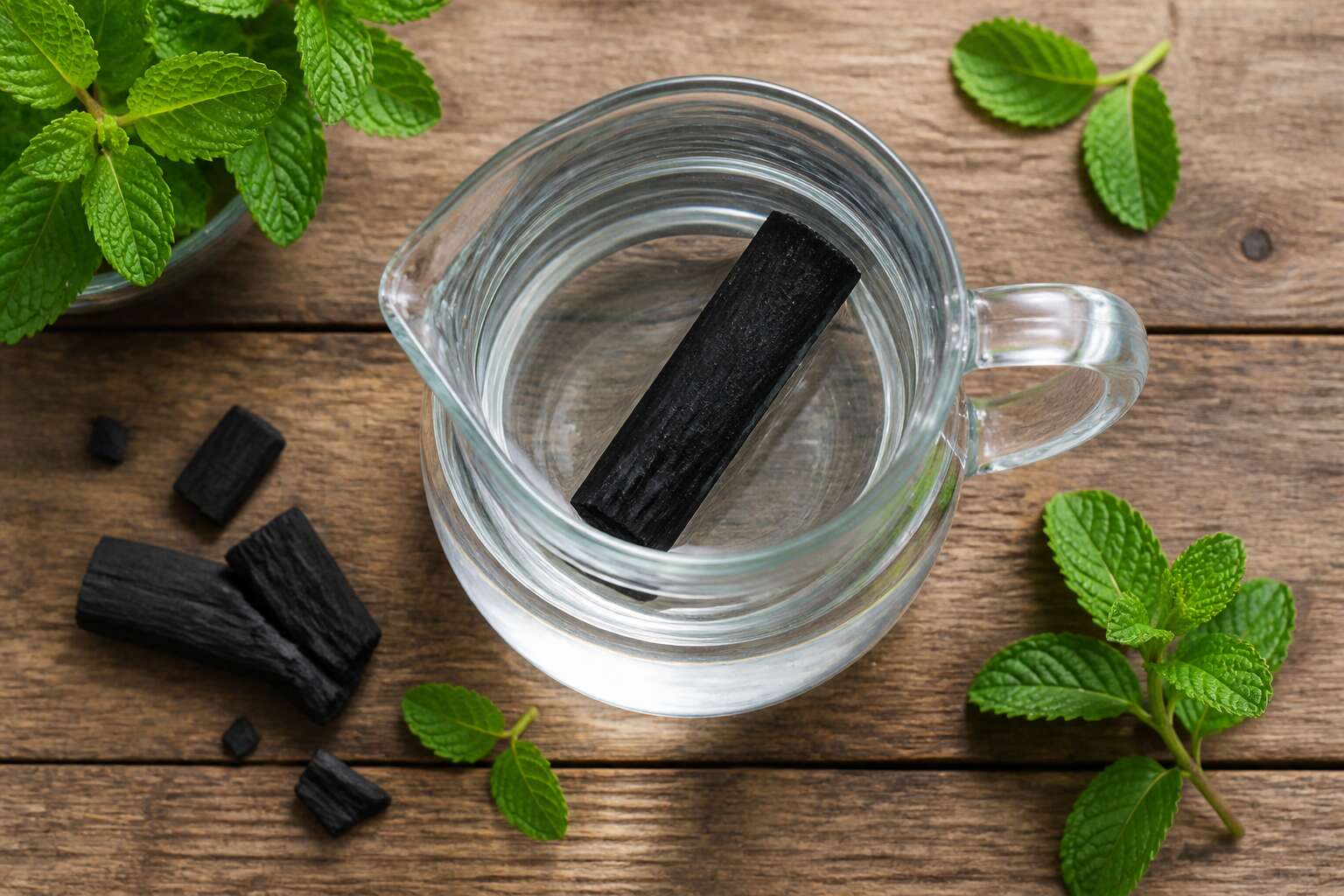
Activated charcoal filters rely on adsorption, not absorption. Absorption pulls a substance into a material’s interior. Adsorption binds molecules to a surface. That difference is crucial because a filter’s power depends on surface area. One gram of activated carbon can offer over 3,000 square metres of surface area! That is where contaminants get trapped.
Water flows past the carbon, and impurities stick to the pore walls. Nothing seeps into the charcoal’s internal structure. When people ask are activated charcoal filters safe, the mechanics provide the answer. The carbon holds onto particles without introducing anything new into the water.
The core differences:
- Adsorption: molecules adhere to a surface.
- Absorption: molecules enter a material’s bulk.
So the question of are activated charcoal filters safe comes down to surface chemistry. The filter does not alter the water’s composition. It simply captures what should not be there.
Common Filtration Configurations (Carbon Block vs. Granular)
In South Africa, where tap water quality varies by region, the question of are activated charcoal filters safe deserves a clear answer grounded in physical design. The filter’s configuration, whether carbon block or granular, determines how water interacts with the medium. Both formats use the same adsorptive principle, but their mechanics differ in ways that affect flow rate, channeling, and particle retention.
Carbon block filters compress activated carbon into a solid, porous cylinder. Water must pass through this dense matrix, which traps contaminants both by adsorption and by physical straining. Granular activated carbon (GAC) consists of loose carbon particles packed into a cartridge. Water flows around the granules, relying almost entirely on surface adsorption.
– Carbon block: higher pressure drop, better particulate removal, more contact time
– Granular: faster flow, lower cost, potential for channeling if not packed tightly
The safety of either system rests on the material itself. Activated carbon is inert and does not leach chemicals into the water. The question of are activated charcoal filters safe becomes a matter of maintenance, not chemistry. A well maintained filter, regardless of type, removes impurities without introducing new risks. The porous structure that gives carbon its power remains stable under normal household water pressure and temperature. This stability is why the answer to are activated charcoal filters safe remains affirmative across both configurations.
Material Sourcing and Purity Standards
Somewhere in the world, a coconut is doing more for water purification than most municipal plants. The source of the carbon matters more than you might think. While the adsorptive magic happens on the surface, the origin of the material determines its purity. Most reputable manufacturers start with coconut shells, wood, or high grade coal. Coconut shells are preferred for their hardness and microporous structure, which creates a larger surface area for trapping contaminants.
The activation process itself involves high temperature steam or chemical treatment. This step creates the internal lattice of pores. The safety of the final product depends on what happens after activation. A thorough acid wash and rinse cycle removes residual ash and impurities. Without this step, the filter could release unwanted byproducts into your water.
Purity standards are where the real answers to are activated charcoal filters safe lie. Reputable brands test their media to meet NSF or SANS standards. These certifications ensure the carbon does not leach heavy metals or volatile organic compounds into the water. A filter that cuts corners on quality control might introduce more problems than it solves. The best filters list their certifications plainly on the packaging. If a product makes no claims about testing, treat it with suspicion.
The production process also determines the filter’s structural integrity. A poorly manufactured carbon block can crack under pressure. A cracked block allows water to bypass the media entirely. The answer to are activated charcoal filters safe depends on this manufacturing quality. The material itself is harmless. The engineering around it determines whether you get clean water or just a fancy pipe.
Safety in Water Filtration Systems
Contaminant Reduction Capabilities
Every week I hear from someone in Gauteng worried about what is flowing from their kitchen tap. That worry is justified, but the question are activated charcoal filters safe has more nuance than a simple yes or no. These filters trap volatile organic compounds and chlorine byproducts before they reach your glass, and that process directly reduces your exposure to harmful substances.
Consider what they remove efficiently:
- Trihalomethanes formed during municipal disinfection
- Pesticide residues that run off into catchment areas
- Industrial solvents like benzene and toluene
Does that make them a complete barrier? No. They will not remove dissolved salts, nitrates, or heavy metals. But for the contaminants that worry most urban South Africans, the reduction capacity is solid. So when you weigh filtration options, remember that the safety question really comes down to matching the filter to your water’s specific profile.
Risk of Bacterial Colonization and Biofilm Formation
Here is a question that should concern every household using carbon filtration: what happens to the microbes that are not removed? The carbon bed, once a trap for chemicals, can become a habitat. Under the right conditions, bacteria that survive the municipal chlorine residual can colonize the surface of the granules. This is the risk of bacterial colonization and biofilm formation, a factor that determines whether are activated charcoal filters safe over the long term.
Biofilm is a slimy matrix of microorganisms that adheres to the carbon. Once established, it shields bacteria from further disinfection and provides a food source from the trapped organic matter. The filter then becomes a delivery system for these microbes into your drinking water. The risk escalates under specific conditions:
– Warm water temperatures, which accelerate bacterial growth.
– Periods of stagnation, when water sits in the filter for hours or days.
– Pre-filtration with low chlorine levels, which allows organisms to survive.
The design of the filter unit plays a major role in this equation. A carbon block with a tight pore structure physically restricts bacterial passage more effectively than loose granular media. However, no design eliminates the need for regular maintenance. If you are asking are activated charcoal filters safe, the honest answer is that they are only as safe as your maintenance schedule. A filter that is left unchanged for months becomes a liability, not a protection. The question of safety, therefore, is less about the material and more about the management of the system over time.
Impact on Essential Minerals and Electrolytes
The trade-off for cleaner water often involves a quiet surrender of what your body needs. When water passes through a carbon medium, it does not discriminate between the harmful and the beneficial. The same adsorption process that pulls in pesticides and industrial solvents can also reduce the presence of calcium, magnesium, and potassium. These are not mere impurities. They are essential minerals and electrolytes that contribute to cardiovascular health, bone density, and nerve function.
This matters deeply in South Africa, where municipal water supplies can vary wildly in their natural mineral content. A household in a soft water region might find that an aggressive filtration system leaves the water tasting flat and lifeless. The body notices this absence. For individuals who rely on drinking water as a primary source of these nutrients, the impact of filtration becomes a genuine concern. The question of are activated charcoal filters safe becomes less about toxicological risk and more about nutritional completeness.
Consider what you are actually removing:
– Calcium, which supports strong bones and proper muscle contraction.
– Magnesium, a cofactor for over 300 enzymatic reactions in the body.
– Potassium, vital for maintaining healthy blood pressure and fluid balance.
The water you drink becomes a daily ritual of replenishment. When a filter strips away these elements, you might need to look elsewhere for that intake. The safety of the device, therefore, includes an assessment of your overall dietary intake. A person with a diet rich in leafy greens and legumes will feel the loss far less than someone who drinks water to meet their nutritional gaps. Are activated charcoal filters safe in this context? They are safe from a chemical perspective, but the hidden cost is the removal of nature’s own electrolyte solution. You must weigh the benefit of contaminant removal against the subtle depletion of what your body naturally craves. The final answer lies in your own water quality report and your physiological needs.
Testing Protocols for Home Use and Water Quality
Ask a water quality technician in Johannesburg about the difference between a working filter and a decorative one. They will point to the test report. The true answer to the question, are activated charcoal filters safe, depends on third party validation.
In South Africa, municipal water reports are public record, yet they rarely reflect what arrives at your tap. Testing protocols should simulate real conditions, including flow rate and pH. Without those parameters, a filter might perform in a lab and fail at home.
Consider what a certified system addresses:
- Routine verification against local contaminants like turbidity.
- Pressure testing to prevent channeling or cracking.
- Microbial checks after repeated use.
The safety question shifts from the material to the testing standard. Water quality changes seasonally. A filter certified in Cape Town may not hold up in Durban. So are activated charcoal filters safe? Only if the certification matches your specific supply.
A Closer Look at Air Purification Filters
Respiratory Safety for Sensitive Groups (Asthma, Allergies)
For an asthmatic in Durban or an allergy sufferer in Cape Town, the air inside your home matters as much as the air outside. So, are activated charcoal filters safe for your respiratory system? Generally, yes, provided you buy a quality filter. Cheap options can shed carbon dust, which is a genuine irritant for sensitive lungs.
Consider these factors before purchasing:
– Carbon weight and media quality
– Whether the unit combines HEPA with charcoal
– The manufacturer’s replacement timeline
A good charcoal filter traps gases, smoke, and VOCs without releasing dust. It won’t catch pollen or dust mites, so pair it with HEPA if those are your triggers.
Removal of VOCs and Odors at Home
Your home has a signature scent, and it is not always a good one. That lingering aroma of last night’s braai or the mysterious funk from the garbage bin is a cocktail of volatile organic compounds (VOCs) and odorous gases. Activated charcoal filters are the silent assassins of this olfactory assault, using adsorption to trap these molecules within their porous structure. The question of whether activated charcoal filters are safe often comes up, and the answer is reassuring when you have a properly constructed unit.
A good filter will pull formaldehyde, benzene, and other off-gassed pollutants from your living room air without complaint. The media needs sufficient carbon weight to handle the workload, otherwise the filter becomes saturated quickly and stops working entirely. You will know it is done when your home starts to smell like a fast food wrapper again.
The safety aspect depends on the construction quality.
– High-grade carbon blocks are less likely to shed fine particles.
– A pre-filter layer protects the carbon from clogging with dust.
– Sealed frames prevent unfiltered air from bypassing the media.
Cheaper filters might use loose granular carbon that shifts and creates channels, reducing contact time with the air. A quality filter, however, holds the carbon firmly in place. This ensures that the only thing escaping the filter is clean, neutral air. So yes, activated charcoal filters are safe for tackling household odors, but only if you pay for a filter that respects its job.
Ozone Generation Concerns in Certain Models
When someone asks whether are activated charcoal filters safe, the real hazard often hides in the companion technology they do not expect. Ozone. Certain air purifiers, marketed as advanced, pair charcoal media with ionizers or electrostatic plates. These plates intentionally generate ozone to oxidize pollutants, but free ozone molecules can escape into your living space. The charcoal itself is inert and harmless. The problem is the ozone generation occurring right beside it.
A passive adsorption filter does not produce ozone. It simply traps particles and gases. An electrostatic model actively creates it, and this is where the safety equation changes. Ozone irritates lung tissue and can trigger asthma episodes, especially in Johannesburg or Durban homes where windows stay shut during winter months.
– Verify the model does not list ionizing technology as a feature.
– Confirm the unit carries no electrostatic collection plates.
– Check that the device relies exclusively on mechanical and adsorptive filtration.
South African consumers face a sprawling market of imported units, most of which do not disclose ozone output. A dedicated activated charcoal filter, one that only pushes air through carbon media, will not generate this gas. When you see a claims like photocatalytic oxidation or cold plasma, walk away. The answer to are activated charcoal filters safe becomes muddy only when manufacturers bolt on questionable extras. Pure carbon filtration remains the quiet, dependable choice.
Filter Lifespan and Performance Degradation
Every activated charcoal filter has a finite working life. The carbon pores slowly fill with trapped gases and particles, and once they reach capacity, adsorption simply stops. The filter does not become dangerous, but it becomes silent. It sits in the housing, moving air without cleaning it. For a Johannesburg home where winter windows stay shut, that silent failure means pollutants remain in the room unnoticed.
Replacement timelines depend on the carbon mass, the level of pollution, and how often the unit runs. Some manufacturers suggest six months, others a year. In humid coastal cities like Durban, moisture can accelerate pore blockage and reduce effectiveness early. So the real question about are activated charcoal filters safe comes down to maintenance. A saturated filter is not a hazard. It is a broken promise.
Comparative Analysis with HEPA Filtration
Walk into any Johannesburg electronics store and two filter types dominate the shelves. HEPA filtration traps particulate matter through a dense fiber mat. Activated charcoal filters target gases and volatile compounds. They are not rivals. They are complementary layers in the same defense system.
Consider a typical Highveld winter morning. Dust and smoke particles hang in the air. HEPA removes those. But the lingering smell of braai smoke or urban smog demands carbon adsorption. A purifier equipped with only one technology leaves a gap in coverage.
When people ask are activated charcoal filters safe, the comparative question matters:
- HEPA excels at allergens, dust, and pollen.
- Charcoal excels at odors, VOCs, and chemical vapors.
- Combined units handle both, but cost more.
Safety rests on carbon quality and housing design, not the filtration principle itself. The material does not shed harmful particles under normal airflow conditions.
Health Considerations and Potential Side Effects
Digestive Effects When Cartridge Materials are Ingested
When we ask are activated charcoal filters safe, the focus often falls on the water they purify. Yet the question of what happens when the cartridge materials themselves break down deserves equal scrutiny. Ingesting small fragments of carbon block or granulated media is a real possibility for a filter that has aged poorly or been subjected to high water pressure. The digestive system treats these particles as inert solids. Most pass through the body without absorption, but they are not entirely without consequence.
For individuals with sensitive gastrointestinal tracts, the physical presence of fine carbon dust can provoke mild irritation. This manifests as a transient feeling of bloating or unease rather than a systemic toxicity. The material itself is not poisonous, but the mechanical abrasion can be an annoyance. Consider the potential symptoms:
– A temporary sense of fullness after drinking
– Mild cramping that resolves within hours
– An increase in flatulence due to swallowed particulate matter
A more serious concern emerges when the carbon has been in service for a prolonged period. If the media has accumulated trapped contaminants, those compounds can leach back into the water during a pressure spike. Swallowing that water introduces a cocktail of desorbed chemicals into the stomach. The charcoal acts as a vehicle, carrying VOC residues or heavy metals directly to your digestive lining. The result is not a charcoal problem, but a compromised filtration problem. The question of whether are activated charcoal filters safe then shifts from the material’s chemistry to its maintenance history. A pristine cartridge is benign; a saturated one is a gamble. The beauty of the design is that it holds impurities, but the tragedy is that it will release them if you push it past its limits.
Skin Contact and Topical Use Risks
Most people ask, are activated charcoal filters safe, while picturing the water in their glass. They rarely consider what happens when the skin meets the media itself, particularly during maintenance or replacement. This is a valid blind spot. The physical structure of activated carbon is abrasive, and handling a tired cartridge can release fine particles that behave like tiny, sharp-edged debris on the dermal layer.
For most individuals, a single brush with this dust is harmless. The annoyance surfaces with repeated exposure. Sensitive skin often reacts to the mechanical friction of the carbon granules rather than a chemical response from the material. This reaction is not an allergy, but a physical irritation that can slightly compromise the skin’s protective barrier, leading to dryness or a tight feeling. Those with pre-existing conditions like eczema or dermatitis may find their symptoms aggravated by the dust.
A more subtle risk involves the contaminants trapped within a used block. If the filter has processed heavy metals or volatile chemicals, those elements can transfer onto the skin upon contact with a saturated cartridge. While the skin is an effective barrier, absorption is still possible for certain compounds. This moves the conversation beyond the simple chemistry of carbon and into the realm of cumulative exposure.
Consider these potential signs of topical irritation:
– Redness or a slight rash on the forearms or hands after handling a filter
– A persistent, itchy sensation that appears without a clear cause
– Small, dry patches that develop where the carbon dust settled
The immediate answer to are activated charcoal filters safe for your skin is yes, provided you manage the equipment sensibly. The problem is rarely the charcoal itself. It is the state of the cartridge and the manner in which you interact with it. A worn filter carries a heavier payload, and the dust it sheds is more than just carbon; it is a concentrated mix of everything it has removed from your water. This is why the condition of the media matters as much as its material. A fresh, clean cartridge poses little risk to the skin, while an exhausted one turns a simple filter change into a potential irritant.
Drug Interactions and Nutrient Absorption Interference
In a country where many households rely on bottled or filtered water, the question of are activated charcoal filters safe often misses a crucial angle: the consequences of ingesting the media itself. Most filters are designed to stay put, but wear and tear can cause carbon fines to shed into your glass. Once swallowed, these particles do not simply pass through. Activated carbon is highly adsorptive, meaning it can bind to compounds in your digestive tract, including certain prescription medications.
This is not a theoretical concern for those managing chronic conditions. If you take medication for blood pressure, thyroid issues, or depression, the timing of your water consumption matters. The carbon can grab onto the active ingredients in your pills, reducing their bioavailability and rendering a dose less effective. Consider the potential impacts:
1. Reduced absorption of oral contraceptives, increasing the risk of unintended pregnancy.
2. Interference with immunosuppressants taken by organ transplant recipients.
3. Diminished efficacy of anticoagulants, which require precise dosing.
The question of are activated charcoal filters safe becomes a matter of routine. For the average person, the mineral content of water is rarely a primary concern. However, for those with iron deficiency or osteoporosis, the situation changes. The charcoal does not selectively remove toxins; it indiscriminately binds to whatever is available. This includes divalent minerals like calcium and magnesium, which are essential for bone density and muscle function. Chronic consumption of carbon fines could theoretically pull these nutrients out of your system before your intestines have a chance to absorb them.
This interference is subtle. You will not feel it after a single glass. The risk accumulates over months, particularly for individuals whose diets already lack these nutrients. A filter that is properly installed and maintained should not release significant carbon. But a cartridge that is past its prime, subjected to high water pressure, or fitted incorrectly, becomes a source of inadvertent exposure. Are activated charcoal filters safe for everyone? The honest answer is that they are safe for most, but not for those who rely on precise medication dosing or struggle with mineral deficiencies. The filter is a tool, not a passive piece of plastic. Its safety profile is only as good as its integrity.
Regulatory Guideline Compliance for Medical Devices
Water quality in South Africa often demands a second glance, especially when municipal supply falters. Yet the broader safety conversation continues to pivot on one question: are activated charcoal filters safe for daily use? For most households, the answer holds firm within the boundaries of normal operation. The health considerations shift when we move beyond drinking water to other points of contact. Showering with filtered water, for instance, exposes skin and airways to the same media, and carbon fines that shed under higher flow can settle on the skin or become airborne.
Regulatory oversight provides a useful map here. In South Africa, the South African Bureau of Standards (SABS) plays a role for certain products, but it does not universally certify every carbon block or granular filter on the shelf. For devices claiming medical or clinical benefits, the landscape changes entirely. A filter marketed for home use may not hold the same compliance status as one intended for healthcare facilities. That distinction matters when consumers read packaging that implies superior health outcomes.
- Check for SABS approval or an international equivalent like NSF/ANSI certification.
- Look for specific reduction claims, not vague language about purity.
- Confirm whether the product is dual-certified for aesthetic and health purposes.
Medical device compliance requires rigorous documentation, including material safety data sheets and contaminant reduction testing under real-world conditions. A home filter that functions well for taste and odor does not automatically qualify under those stricter guidelines. The honest answer to are activated charcoal filters safe rests on this regulatory foundation. When a product aligns with recognized standards, the risks remain low. Without that alignment, the burden shifts to the user to verify what the charcoal can and cannot do, particularly regarding chronic exposure pathways.
The practical takeaway involves matching the device to the need. A standard household cartridge serving a family in Johannesburg faces different demands than one used in a small clinic. The regulatory compliance for medical devices acknowledges those varying stakes. As long as the filter meets its stated performance criteria, maintains physical integrity, and carries appropriate third-party validation, the safety profile holds steady. The question of are activated charcoal filters safe becomes less about the material itself and more about the standards that govern it.
Myths, Misconceptions, and Best Practices
The Myth of 100% Contaminant Removal
The insistence that any single filtration medium eradicates every conceivable contaminant is a charming fiction, one that ignores the fundamental physics of water chemistry. The truth is that the question of are activated charcoal filters safe is often confused with their efficacy. They are a specific tool, not a universal panacea, and their performance is bound by the same laws of adsorption that govern a sponge’s relationship with a spill. No filter can remove dissolved solids, like sodium or fluoride, which require a process called reverse osmosis to address.
A reasonable person might assume that a filter’s entire purpose is to strip the water bare. This is a misreading of the product’s intent. A filter that removed absolutely everything would also remove the very minerals that give water its palatable taste and contribute to your daily intake. The marketing suggests a sterile void, but the reality is a selective partnership.
When assessing the safety, consider the specific claims, not the general hype:
– You should expect a reduction in chlorine and sediment, not a guarantee of sterile purity.
– A filter can address volatile organic compounds, but its ability to remove heavy metals is dependent on the specific media used.
– The operational lifetime of the filter is a limiting factor; a saturated cartridge is no longer a filter, but a passive pipe.
The practical upshot is that your filter is a hard-working member of the household, not a magician. The safety of the system is contingent on your willingness to read the specifications and replace the cartridge on schedule. Expecting more invites disappointment, and possibly, a false sense of security regarding your water quality.
Recharging Filters at Home – Safe or Hazardous?
The ritual of boiling a spent cartridge on the stove is a stubborn piece of household folklore. Many believe that a vigorous simmer can expel the trapped impurities and restore the media to its factory condition. However, the thermodynamics of adsorption do not work in reverse so simply. The heat may drive off some volatile compounds, but it will not break the stronger chemical bonds formed with the carbon surface. In fact, this practice can create a hazard, as the heat may cause the carbon to release previously trapped toxins back into your kitchen air and water.
The real danger lies in the structural integrity of the medium. A cartridge is not designed to withstand thermal cycling. Subjecting it to high temperatures can cause microfractures in the carbon block, creating channels where water passes through without any treatment. This is where the question of are activated charcoal filters safe becomes a matter of procedure. Oven heating a filter can also melt the plastic housing or the adhesives used in its assembly, leaching unwanted chemicals into your drinking supply.
If you are considering this method to save a few rand, weigh the potential outcomes:
1. The filter may be structurally compromised.
2. Bacterial colonies that have colonized the bed may be baked into a resistant state.
3. The adsorption capacity remains significantly reduced.
4. You risk contaminating your water with byproducts of the heating process.
The science is clear that the economic argument for recharging is weak. The cost of a new cartridge is far lower than the price of a medical bill or the anxiety of wondering if your protection has failed. Replacing the media on schedule is the only safe practice. The search for a shortcut is understandable, but the filter is a consumable item, not a family heirloom to be restored. In this case, the question of are activated charcoal filters safe is answered by your discipline in discarding the old and installing the new.
Signs of Ineffective Filtration and When to Replace
A filter that looks clean can be quietly failing. The misconception that clarity equals purity leads many households to overextend their cartridges. By the time a strange taste appears, the media has often been exhausted for weeks. Watch for slower flow, which signals clogged pores, not filtration prowess. Common signs of ineffective filtration include:
- a sudden drop in water pressure,
- a musty or earthy flavour,
- and visible sediment in a glass of filtered water.
Another myth is that filters last exactly six months, regardless of water volume. High usage demands earlier replacement. So, are activated charcoal filters safe? Only when you respect their limits. Ignoring these signs renders a protective device useless. Follow the manufacturer’s schedule and track your actual consumption. Your nose and eyes are unreliable instruments. Replace the cartridge before it fails.
Proper Installation and Maintenance Routines
The quiet ritual of installation often becomes a mere afterthought, yet it is the first and most vital act of trust. Over-tightening a housing is a frequent blunder. This brute force can crack the O-ring, creating a channel where unfiltered water bypasses the media entirely. A snug, hand-tightened seal is sufficient. The question of are activated charcoal filters safe hinges on this initial setup. A properly seated cartridge protects the system; a warped seal invites failure.
Establishing a maintenance routine transforms a purchase into a long term investment. A calendar reminder is not enough. You must physically inspect the system each month for moisture or weeping around the joints. Consider these practices for your routine:
- Flush new cartridges according to the manufacturer’s specification to purge loose fines.
- Sanitize the housing with a mild bleach solution during each change to disrupt biofilm.
Rushing this ritual compromises the goal. Knowing are activated charcoal filters safe requires acknowledging that a neglected system is a liability. The brilliance of adsorption depends on consistency. Treat every connection with respect. The difference between safe drinking water and a silent risk often lies in a disciplined, unhurried routine. Safety is a practice, not a product feature.
Situations Where Activated Charcoal Filters Should Be Avoided
“A lie can travel halfway around the world while the truth is putting on its shoes.” This old proverb captures the essence of filter folklore. The most persistent myth? That boiling a spent cartridge will resurrect its adsorptive powers. Heat might kill bacteria, but it violently tears apart the delicate pore structure that performs the actual work. You are left with a sterile brick that offers no protection.
For all the praise heaped on carbon, there are scenarios where it is simply the wrong tool. It is not a universal shield. Consider these situations:
1. Water contaminated with heavy metals like lead or arsenic requires specific ion exchange media.
2. A system designed for municipal water will fail against high turbidity from a borehole.
3. Emergency filtration of raw, untreated surface water demands a finer pore size or a multi-stage approach.
Asking are activated charcoal filters safe often ignores the inverse question: are they relevant to your specific contaminant profile? Using them where they are not certified is a gamble. The filter will happily pass these threats through, giving you a false sense of security. The answer to are activated charcoal filters safe is a qualified yes, but only when you respect the boundary of its capabilities and reject the lure of folklore.


0 Comments