
The Basics of Activated Charcoal
Activated charcoal is ancient carbon, fire coaxed into a labyrinth of pores. A single gram hides over a thousand square meters of surface area. That is why it catches odors, toxins, and stray impurities. In South African homes, this black stone appears in water filters, in tooth powders, even in dressings for wounds.
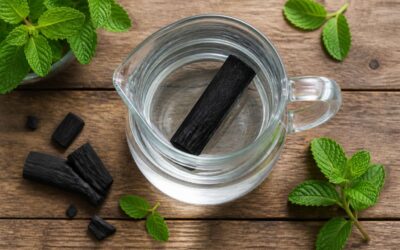
Our activated charcoal checkers are cut from the same remarkable material, ready to sit quietly in a cupboard or beside a bed. They work by adsorption, a soft clinging of molecules to the charcoal’s inner walls. No sparks, no noise, just a slow purifying of the air. Some clients place them in shoe racks, others near their dogs’ sleeping spots. Each piece is distinct, pitted, and endlessly useful. Consider what a small black square can hold. It is a humble object with a hidden magnitude.
Why People Search for Activated Charcoal Products
Charcoal has been used for healing for centuries, but a sudden surge in interest has overtaken the wellness aisles. A recent report shows a 300% spike in searches for natural detoxifying agents. People are no longer satisfied with surface-level solutions for their health and beauty routines, they are digging deeper. This quest leads many directly to the moniker “activated charcoal checkers,” a term that has become a digital shorthand for locating these potent, jet-black products in local retail spaces.
Consumers are seeking out these items for a variety of specific reasons. The search is rarely casual; it is often driven by a particular need or a persistent niggle.
- A desire to address digestive discomfort after heavy meals.
- An interest in creating natural, chemical-free skincare masks at home.
- A demand for effective, non-abrasive teeth whitening solutions.
- A need for emergency relief from trapped wind or bloating.
This shift is also a reaction against the lavish promises of modern cosmetics. The retailers themselves have noticed this pattern, stocking their shelves with everything from black toothpaste to gritty facial cleansers. In a hot climate like South Africa’s, the appeal of a purifying mask that draws out impurities from sweat-drenched skin is undeniable. The search for “activated charcoal checkers” is not merely about finding a product, it is about locating a trusted source for these ancient, yet newly trendy, remedies.
A Complete Buyer’s Guide for Activated Charcoal
With the surge in wellness fads, the humble black brick has become the unlikely hero of South African pantries. Yet, navigating this sooty landscape without guidance is a fool’s errand. Many shoppers believe all charcoal is created equal, a misconception that often leads to disappointing results and lighter wallets. Here is where the role of activated charcoal checkers becomes invaluable, serving as your discerning eyes in a market clouded by imposters.
Before you toss a random box into your trolley, understand that true activation requires high heat and steam. This process creates the porous structure necessary for its detoxifying properties, a scientific nuance many cheap brands overlook. Price is rarely a reliable indicator of quality, so you must become a detective of your own health.
To assist your investigation, consider these distinguishing features when assessing potential purchases:
- Check the source material. Coconut shell carbon is generally superior to wood or coal based alternatives.
- Examine the powder’s fineness. It should feel silky, not gritty or sandy.
- Verify if the product lists a specific internal use dosage.
The retail landscape in Joburg and Cape Town is flooded with generic imports that fail on every measurable metric. When you rely on activated charcoal checkers, you are essentially vetting the vendors who often cut corners to maximize profit margins. It is a strange world where you must scrutinize something that looks like a lump of pavement for your own safety, but here we are.
Quality brands will often provide a certificate of analysis, a document the fly-by-night operators cannot produce. If the packaging is sparse on details regarding activation temperatures or origin, treat it with the same suspicion you would afford a suspicious v8 engine in a used sedan. The verification process comes down to a few fundamental checks:
- The batch number must be clearly printed and traceable.
- The product labels should be free of excessive artificial fillers or binders.
- Sourcing details should be transparent rather than vague references to international origins.
Ultimately, your diligence ensures you consume a beneficial adsorbent rather than an inert rock dust. The right purchase hinges on your ability to differentiate between therapeutic grade material and industrial briquettes. Trust the process of verification, and your digestive system will thank you for your skepticism.
How to Test and Verify Activated Charcoal Effectiveness
Activated charcoal checkers often promise superior filtration, yet few consumers verify the claim before purchase. A simple water test reveals much. Drop a tablet of store bought charcoal into a glass of iodine solution. If the liquid clears within twenty minutes, the charcoal is active. If it remains amber, you have bought inert material.
For the home user, the boiling test offers another gauge. Place the charcoal in boiling water and watch the surface. Active charcoal releases a fine stream of micro bubbles. Dormant material sits still. This distinction matters when you rely on charcoal for your family’s drinking water in Johannesburg or Durban.
Consider these indicators when comparing activated charcoal checkers:
- Look for a laboratory report confirming iodine adsorption value.
- Choose charcoal with a hardness rating above 95 percent.
- Demand moisture content below 5 percent.
Safety, Handling, and Maintenance Best Practices
Activated charcoal checkers are simple, yet they work quietly. In my years working with them, I have learned that a careless hand can render them useless. Always wear clean, dry gloves when placing or moving them. The oils from your skin will clog the pores, and once clogged, they cannot be revived.
Maintenance requires patience. Check each checker monthly for dust build-up and surface wear. Use a soft brush to sweep away debris, but never wash them with water. Water destroys their structure! Instead, store them in an airtight container with silica gel.
- Inspect for cracks after every handling session
- Recharge them under direct sunlight for three hours
- Replace any checker that shows signs of crumbling
Safety comes down to awareness. Keep activated charcoal checkers away from open flames, as they are highly flammable. In South Africa, where humidity fluctuates wildly, you must adapt your maintenance routine accordingly.

0 Comments