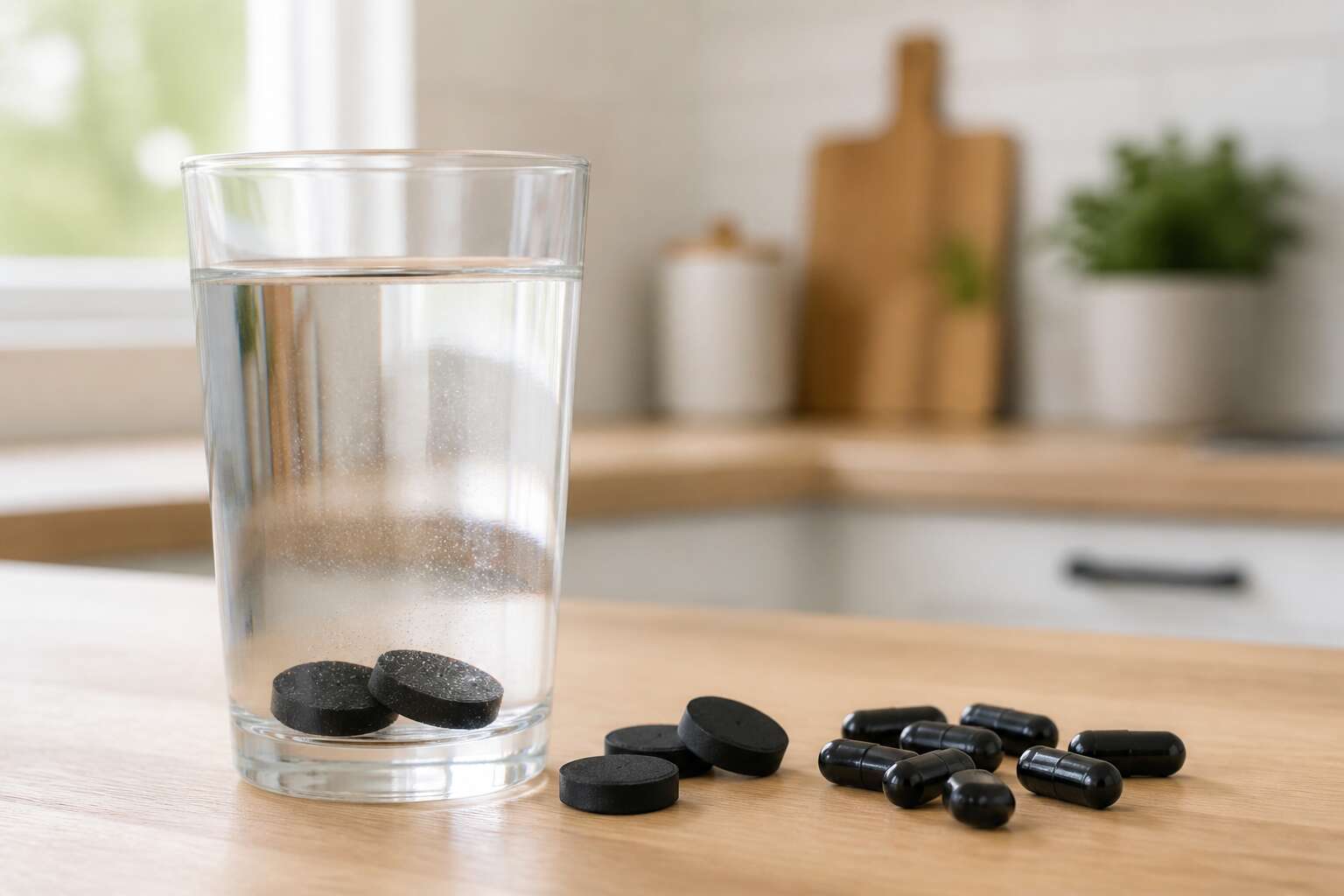
Understanding Activated Charcoal
Picture this: you have just spent a decent portion of your salary on a platter of dubious peri-peri chicken from a street vendor in Durban. Three hours later, your intestines are staging a full-blown rebellion. In moments like these, the humble black tablet often gets the nod. Activated charcoal for diarrhea is not a new-age fad, it has been a staple in the South African medicine cabinet for decades, right next to the headache powders and the stubborn bottle of gripe water.
The science is surprisingly straightforward, even if the marketing gets murky. Charcoal is “activated” through a process that increases its surface area dramatically. It acts like a tiny sponge for toxins and certain chemicals that might be causing your gut to sound like a washing machine during its spin cycle. However, it is not selective in what it grabs, so it also binds to vitamins and minerals. It is a blunt instrument, but sometimes that is exactly what the doctor ordered when you are glued to the bathroom floor.
Does this mean you should pop a handful like sweets? Absolutely not. Consider these points:
– It only works for specific types of poisoning or bacterial infections, not viral gastroenteritis.
– It can turn your stool black, which is alarming if you forget you took it.
– It can interfere with oral medications, making them less effective or entirely useless.
– It may dehydrate you further if you do not increase your water intake alongside it.
The trick is timing and dosage. You want to take it at the first sign of trouble, but you also have to respect its limitations. I have seen people down a bottle of it after a heavy night of tots, only to complain about constipation for a week. That is the irony of the black stuff; it stops the runs, but it does not care much for moderation. So, before you rely solely on activated charcoal for diarrhea, remember that your body is also trying to flush things out, and sometimes you just have to let the tide go out on its own.
How Activated Charcoal Works for Diarrhea
Grandmother always said charcoal was the first medicine, and in the rural villages of Mpumalanga, it still is. When a bout of stomach trouble strikes, many families reach for the black powder before considering a trip to the dusty pharmacy. The process is quite straightforward. The charcoal acts like a fine sponge in the digestive tract.
The secret lies in its incredible porosity, which creates a vast surface area. Toxins and bacteria that cause loose stools bind to this surface, becoming trapped. Once bound, these irritants can’t stimulate the gut lining. They are then carried out of the body through normal elimination. This action helps to solidify stool and reduce the frequency of bathroom visits.
– It absorbs excess water in the bowel.
– It binds to bacterial toxins.
– It aids in firming up the stool.
Activated charcoal for diarrhea is not a new fad, but a time-honoured remedy. From the kraal to the modern Cape Town suburb, its physical action provides a simple solution for a distressing ailment. The body is given a chance to settle down. It is a direct, mechanical intervention that lacks the chemical sharpness of modern drugs, which I find rather comforting. It simply escorts the trouble out, leaving the gut to heal in peace.
Effectiveness for Specific Types of Diarrhea
Not all diarrhea is the same, and that distinction matters more than most people realise. The cause of your loose stools dictates whether activated charcoal for diarrhea will actually help or merely pass through without doing much. For instance, charcoal excels when toxins or certain bacteria are the culprits. It binds to these offenders in your gut and ushers them out of your body, which is a very different mechanism than simply slowing things down.
Here is a quick breakdown of how it typically lines up with common causes:
– Infectious diarrhea from contaminated food or water often shows a positive response, as charcoal can latch onto bacterial toxins.
– Traveler’s diarrhea, a common misery for many South Africans heading north, may be shortened in duration when charcoal is taken early.
– Diarrhea triggered by medications or chronic conditions like irritable bowel syndrome tends to be less responsive, since the root cause is not a toxin that can be bound.
The physical process is quite direct. Charcoal is not absorbed by your system. It travels through the digestive tract like a sponge, capturing unwanted molecules along the way. This makes it a reasonable option for sudden, acute episodes where you suspect something you ingested is the problem. However, for watery diarrhea driven by osmotic imbalances or malabsorption issues, the charcoal is mostly just an inert passenger with little to grab onto. Knowing which type you are dealing with can save you a frustrating day.
Proper Dosage and Administration
A single dose of activated charcoal for diarrhea feels like a gamble, but the science is surprisingly precise. Most adults find relief with 500 to 1000 milligrams, taken with a full glass of water. That matters, because the powder needs fluid to bind effectively to the toxins causing your distress. I usually advise starting with the lower amount, then waiting a few hours to assess the results.
Timing, however, is the true alchemist. Take the charcoal at least two hours apart from any other medication or supplement, as it can sweep those up as well. It is a sorter of things, not a discriminator.
To get the most from this remedy, consider this sequence:
1. Mix the powder into a large glass of water and drink it immediately.
2. Wait two hours before eating or taking other drugs.
3. Repeat once more if symptoms persist after four hours.
This approach ensures the activated charcoal for diarrhea works with your body, not against it. Overuse can lead to constipation, so listen to your gut and stop once your system settles. It is a powerful ally, but not one to take daily.
Potential Side Effects and Precautions
The most common complaint is constipation, which might feel like a cruel joke when you are already dealing with the opposite problem. It can bind you up for a day or two after the diarrhea subsides. Many folks find the gritty texture hard to swallow, and the black residue it leaves on your teeth is a small price to pay for relief, but it is worth knowing about beforehand.
Your stool will turn a deep, tarry black. This is completely normal, but it can be alarming if you are not expecting it. However, it can also mask the signs of intestinal bleeding, which is a serious concern. This is why I always advise people to be cautious and aware of their bodies.
If you decide to use activated charcoal for diarrhea, you need to manage the timing carefully. It does not discriminate, and it will absorb anything in your system, including vital medications.
– Take it at least two hours apart from any prescription drugs or supplements.
– Stay hydrated with clear fluids, as the charcoal can be dehydrating.
– Avoid using it for more than a few days at a time.
It is a powerful ally for a short-term bout, but it is not a long-term solution. Chronic use can strip your body of essential nutrients. Pregnant women and those on blood thinners should definitely speak with a healthcare professional first.
Comparing Activated Charcoal with Other Diarrhea Remedies
When diarrhoea strikes, the pharmacy shelf offers a bewildering array of cures. I have seen many patients reach for loperamide to halt symptoms instantly, but this approach sometimes backfires. Activated charcoal for diarrhea works differently, binding toxins and irritants rather than slowing the gut. That distinction matters for certain infections!
- Loperamide stops motility, which can trap harmful bacteria.
- Oral rehydration salts replace lost fluids but do not address the cause.
- Activated charcoal adsorbs toxins, potentially shortening the episode.
Each has its role. The real art is choosing based on the trigger. For travellers with mild foodborne issues, charcoal often feels gentler on the system. My own experience with a dodgy curry taught me that patience and charcoal beat a hasty chemical halt.




0 Comments