Understanding Activated Charcoal and Its Medical Uses
What Is Activated Charcoal?
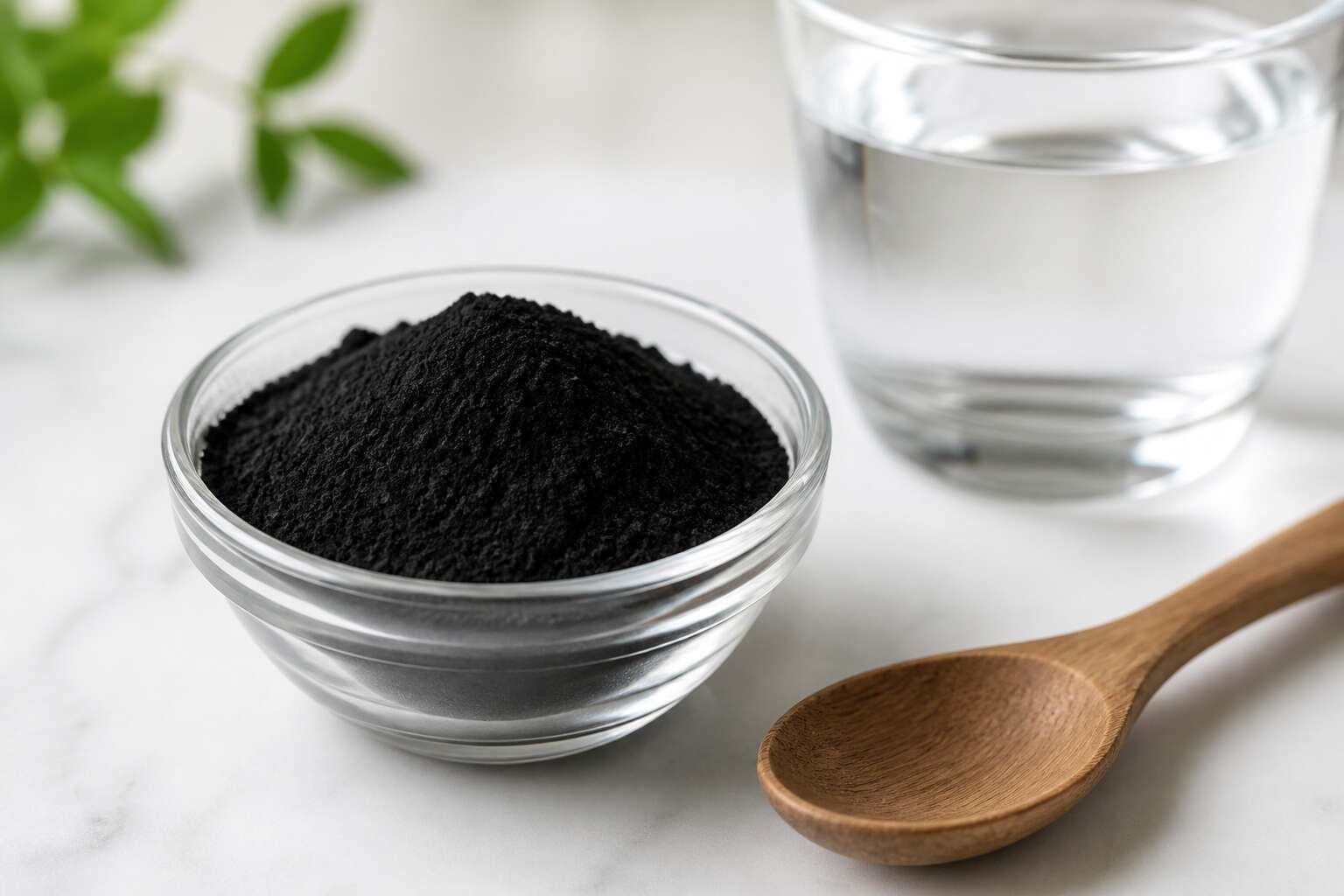
Activated charcoal is a far cry from the briquettes you use for a braai. It is processed at extreme temperatures and then activated with gas or steam, creating a labyrinth of microscopic pores. The result is a surface area so vast that a single gram can cover more than 3,000 square meters. That porous architecture is what gives it extraordinary binding power.
When a toxin is swallowed, activated charcoal acts as a sponge in the gut. It traps the poison before your bloodstream can absorb it, then carries it out through stool. This is exactly why the activated charcoal vomiting dosage matters. Interestingly, charcoal does not trigger vomiting. It works after your stomach has already expelled what it can, which is why medical teams time its administration carefully.
- It is most effective when given within one hour of ingestion.
- It binds to many drugs, pesticides, and household chemicals.
- It fails against alcohols, iron, and caustic substances like acids.
In South African emergency settings, the activated charcoal vomiting dosage is calculated from body weight and the specific poison involved. It is a practical intervention, not a universal remedy. Knowing how it works helps you understand why precise dosing can save a life.
How Activated Charcoal Works in Poisoning
Activated charcoal is not a magic eraser for your insides. It is a pragmatic tool that emergency doctors deploy when the timing and toxin align. The activated charcoal vomiting dosage only becomes relevant after the body has already done its own messy work. Charcoal itself will not make you throw up, which surprises many. It simply settles in the gut and waits for poison to pass by.
The clock is the real enemy. Once an hour slips by after ingestion, charcoal loses its edge. Here is why timing matters so much:
1. The toxin is still in the stomach, not yet absorbed.
2. Charcoal arrives and binds to the poison before it crosses the intestinal lining.
3. The whole package exits through stool, sparing your bloodstream the trouble.
A curious fact emerges here. If you take paracetamol for a headache and then eat charcoal an hour later, you have wasted both. The drug is already inside your system. The activated charcoal vomiting dosage is a calculation based on weight and poison type, not a random scoop from a jar. For a toddler who swallowed grandma’s heart pills, that dose can mean the difference between a quiet night and a hospital ward. It is precise, unglamorous, and entirely dependent on speed.
Common Indications and Limitations
One in four accidental poisonings in South Africa involves a child under six. That statistic explains why emergency rooms keep powdered charcoal stocked. The activated charcoal vomiting dosage is a clinician’s calculation, not a spoonful from the pantry.
Medical use depends entirely on the toxin. Charcoal binds to certain drugs and plant poisons, but it ignores others. It works for:
- Prescription pill overdoses
- Fungal and bacterial toxins
- Specific pesticide exposures
Limitations remain fixed. Alcohol, bleach, and petroleum products do not bind to charcoal. Caustic substances also bypass it, and charcoal can hide tissue damage on x-rays. When those substances are involved, the dosage question becomes moot. The stomach’s own response takes over.
Mechanism of Emesis Induction
Emesis is the body’s desperate purge, a violent emptying that often precedes any medical intervention. But vomiting alone rarely clears the full burden. The activated charcoal vomiting dosage is a calculation performed after the convulsion of the gut has subsided, when the clinician must decide how much powdered black to introduce into a raw and irritated tract.
Charcoal does not induce emesis; it waits. Once the stomach has quieted, the fine particles travel through the same path, adsorbing what remains. This is the mechanism of emesis induction’s aftermath, a second, quieter purge.
- Bind residual toxins in the gastric lining.
- Prevent reabsorption into the bloodstream.
- Shorten the window of systemic exposure.
In South African emergency rooms, the powder is measured against body weight, not panic. The activated charcoal vomiting dosage remains a precise, cold arithmetic.
Proper Dosage Guidelines for Activated Charcoal
Age-Based Dosing Recommendations
Determining the activated charcoal vomiting dosage is not a matter of guesswork. In South Africa, poison information centres follow the World Health Organisation’s guidance, which weighs the patient rather than their age alone. A toddler of 10 kg needs a different amount than a 70 kg adult.
- Infants under one year: 1 g per kg of body weight
- Children 1 to 12 years: 25 to 50 g total
- Adolescents and adults: 50 to 100 g total
That said, age still shapes the decision. The dosing intervals, usually every four to six hours, depend on the clinical picture. I always remind families that a single dose is rarely the end. Repeated activated charcoal vomiting dosage adjustments require medical supervision.
Weight-Based Calculations
One gram per kilogram. That ratio determines whether the activated charcoal vomiting dosage saves a life or fails in time. A 60 kg adult requires 60 g of charcoal, while a 15 kg child needs 15 g. The math stays consistent across most clinical scenarios, though total doses rarely exceed 100 g.
Clinicians in South African emergency departments calculate this before the patient reaches the ward. I have watched triage nurses run the numbers while preparing the slurry. The difference between underdosing and overdosing can alter the outcome.
Consider how the calculation unfolds:
- Weigh the patient in kilograms
- Multiply by 1 g per kg
- Cap the dose at 100 g
- Reassess if the patient vomits within 30 minutes
When the patient vomits the first dose, the clinician must recalculate. The activated charcoal vomiting dosage shifts with each episode, requiring repeated measurement throughout the treatment window.
Administration in Emergency Settings
In an emergency room, the clock moves faster than the paperwork. Timing is everything, especially when the patient has already vomited once. The activated charcoal vomiting dosage is not a static number. It is a moving target that requires recalibration with each episode of emesis.
Consider the practical approach. After the initial administration, the clinician must watch the clock. If thirty minutes pass without the patient bringing the black slurry back up, absorption is presumed to be underway. If that same slurry reappears in five minutes, the calculation restarts. The stomach is not a simple container. It empties, it spasms, and it rejects what it does not want.
Proper guidelines in a South African emergency department focus on three distinct phases. These are the preparation, the administration, and the observation period.
– The charcoal must be mixed fresh with water, not juice, to avoid competing sugars.
– The patient should sit upright to reduce the risk of aspiration.
– The dose is given slowly, over five to ten minutes, to reduce gastric irritation.
– A second dose is only considered if the first is fully expelled within the half hour.
The temptation to administer a single large dose is understandable, but it is wrong. The patient who vomits ten minutes after drinking a 60 g slurry has absorbed almost nothing. The re-dose, however, cannot simply repeat the original amount. One must account for what was lost and what remains. It is a messy, fluid calculation.
Observation is not passive. The nursing staff must document the volume of vomitus, the time of emesis, and the patient’s level of consciousness. This data determines the next move. I have seen a new intern freeze at this juncture, unsure whether to repeat the full dose or halve it. The senior sister on duty, without looking up, said, “Give a full repeat. The stomach has rejected the vehicle, not the medicine.” That clarity only comes from protocol and practice.
The activated charcoal vomiting dosage in a second administration often mirrors the first, but it is never automatic. Certain poisons, such as ibuprofen or paraffin, slow gastric motility. The charcoal may sit in the stomach longer, giving it more time to bind and less reason to be expelled. In those cases, a smaller re-dose suffices. For faster absorbing toxins, the clinician may need to act quicker and with a full, capped amount.
There is no elegance in this procedure. It is gritty, urgent, and remarkably effective when guided by simple arithmetic and honest observation of the patient’s bodily responses. The guidelines exist to standardise the chaos. The dosage exists to fit the patient, not the protocol.
Repeat Dosing Protocols
Proper dosage guidelines for activated charcoal repeat dosing protocols are less about arithmetic and more about reading the patient’s stomach. The activated charcoal vomiting dosage after a rejected first dose hinges on timing. If the black slurry returns within half an hour, a full repeat dose is justified. If it stays down for an hour, the binding has already begun. Give less, not more.
A few rules anchor the protocol:
– Never double the initial amount.
– Recalculate from the original weight-based figure.
– Consider the toxin. Paraffin slows motility. A smaller re-dose may hold.
– Document vomitus volume and time with clinical honesty.
The activated charcoal vomiting dosage in repeat scenarios rarely exceeds the first cap. The goal is to keep charcoal in the gut, not to provoke another rejection. In South African emergency rooms, the second dose often mirrors the first. If the patient vomits again, the third dose is halved. That rhythm is the protocol.
How to Prepare an Activated Charcoal Mixture
A single gram of activated charcoal holds roughly 1,000 square meters of surface area, but that potential disappears the moment you mix it wrong. The activated charcoal vomiting dosage depends as much on preparation as on arithmetic. A lumpy slurry triggers the gag reflex before the charcoal ever reaches the gut!
Proper dosage guidelines start with the powder itself. I always use a 1:4 ratio of activated charcoal to water. Shake the mixture vigorously for thirty seconds, then check for sediment. Follow these steps for a stable suspension:
- Weigh the patient’s dose from the original calculation.
- Blend the powder with lukewarm water, not hot.
- Shake in a sealed container until no dry powder remains.
Administer slowly, with the patient sitting upright. A well-mixed slurry reduces the need for a repeat dose, keeping the activated charcoal vomiting dosage lower and safer.
Managing Vomiting After Activated Charcoal Administration
Why Vomiting Occurs
Activated charcoal tastes gritty, yet the vomiting it provokes is no mystery. The stomach, already distressed by ingested poison, recoils at this abrasive foreign mass. Rapid administration only worsens the response. The gut interprets the sudden flood of particles as a threat, forcing a reverse peristalsis that empties the contents upward.
Common triggers for the gag reflex include:
- Gritty texture against a sensitive mucosa
- A single bolus that stretches the stomach too quickly
- Empty stomach conditions, which increase acid irritation
I have seen patients vomit a full dose before any absorption occurs. Sipping through a straw often helps, but the activated charcoal vomiting dosage still matters. If vomiting happens within minutes, consider a second dose. The charcoal that stays down is the only charcoal that works!
Safe Ways to Administer to a Nauseated Patient
The gag reflex can be outmanoeuvred with patience, not force. I have seen a full syringe cause immediate expulsion, so the trick is to feed the activated charcoal vomiting dosage in a slow, controlled trickle. A nauseated patient responds better when the stomach is not suddenly stretched.
Position the patient upright, leaning slightly forward. Offer small sips through a straw, targeting the inside of the cheek. Cold slurry often reduces the gritty sensation. Pause after each sip, letting the stomach settle before continuing.
A workable sequence for a struggling patient:
- Start with 30 ml, then wait two minutes
- Alternate with a sip of clear liquid
- Apply a cold cloth to the forehead
If vomiting still occurs, wait ten minutes before retrying with a smaller volume. The activated charcoal vomiting dosage may need to be divided into five or six portions. Charcoal that stays down is the only charcoal that works. Keep the administration calm and incremental, and you give the mixture a real chance.
Anti-Emetics and Supportive Care
When vomiting occurs after administration, the first question is how much of the activated charcoal vomiting dosage actually stayed down. Emesis within thirty minutes usually means a full repeat. Later vomiting may only require a half replacement.
Anti-emetics have a clear role. Ondansetron, widely stocked in South African emergency units, can be given before or after the charcoal. Metoclopramide also works, though it carries a small risk of extrapyramidal effects. These drugs reduce retching, but they do not guarantee retention. Timing matters more than the drug choice!
Supportive care matters equally. Keep the patient warm and calm. Monitor fluids to prevent dehydration. Persistent vomiting beyond two hours requires clinical review.
- Anti-emetics work best when given thirty minutes before charcoal
- Smaller divided volumes are better tolerated after a vomiting episode
- Estimated vomitus volume guides the repeat dose
Signs of Aspiration and Complications
Vomiting after charcoal is not a mess to clean up; it is a clinical event that demands immediate evaluation. The activated charcoal vomiting dosage you delivered may be far less than what the patient retained. Aspiration is the most feared complication. When gastric contents and charcoal enter the airway, the patient may develop acute coughing, wheezing, or frank respiratory distress. These signs warrant urgent suction and positioning in a left lateral, head-down tilt.
Silent aspiration is a particular danger in obtunded patients. Fever developing within hours may indicate chemical pneumonitis. Chest X-ray changes often lag behind clinical deterioration, so rely on physical signs first:
- Cyanosis or oxygen desaturation
- Tachypnoea with intercostal recession
- Crackles on auscultation
Charcoal visible in the sputum confirms aspiration. At that point, the activated charcoal vomiting dosage becomes secondary to airway management and respiratory support.
When to Seek Emergency Help
Vomiting after charcoal is rarely a polite affair. The activated charcoal vomiting dosage you measure at the bedside is not necessarily the dose that stays down, which is why the episode deserves close attention rather than a mop and a sigh.
Keep the patient upright or in a left lateral position. Do not offer fluids until retching has stopped. Observe the volume and character of the vomitus. Emergency help is warranted when certain features appear:
- Persistent vomiting beyond two hours
- Inability to tolerate sips of water
- Blood streaked vomitus
- Dizziness or confusion
At that point the activated charcoal vomiting dosage becomes secondary. Fluid balance and airway protection take over as the immediate concerns.
Safety Precautions, Contraindications, and Interactions
Contraindications and Cautions
Each year, South African emergency centres treat thousands of poisoning cases, and activated charcoal remains a frontline intervention. Yet it is not a benign substance to be handled casually. The activated charcoal vomiting dosage is a clinical decision, not a kitchen measurement, and getting it wrong can lead to complications that overshadow the original ingestion.
Activated charcoal is contraindicated in patients with an unprotected airway, particularly when consciousness is impaired. A patient who cannot protect their own airway risks aspirating the slurry into the lungs, which can cause a chemical pneumonitis far worse than the toxin itself. Similarly, anyone with a suspected bowel obstruction, perforation, or recent gastrointestinal surgery should never receive charcoal. The adsorbent properties that make it useful become dangerous when the charcoal cannot pass through the digestive tract.
Interactions with other medications are a practical concern. Charcoal does not discriminate, and it will bind to paracetamol, aspirin, and other antidotes administered in the same treatment window. This means oral antidotes like N-acetylcysteine must be spaced carefully, usually by at least two hours. For patients on chronic medication, such as antiepileptics or oral contraceptives, the presence of charcoal in the gut can reduce the efficacy of their regular treatment.
The practical approach to safety is simple:
1. Confirm the airway is secure before any oral administration.
2. Verify the absence of contraindications, including ileus or prior surgery.
3. Monitor for emesis and position the patient to prevent aspiration.
These checks should be second nature for any clinician. The activated charcoal vomiting dosage is not merely a number to calculate; it is a threshold that demands respect for what can go wrong. When in doubt, an ambulance with advanced life support is the correct first move, not a home remedy. The emphasis must always fall on protecting the patient from the treatment itself.
Potential Drug Interactions
Safety hinges on preparation before the slurry ever touches the lips. The activated charcoal vomiting dosage presumes a patient who can handle the physical stress of emesis. A clinician must verify the gag reflex, confirm the patient is awake, and have suction ready. These steps are not optional extras.
Contraindications are non-negotiable. Anyone with an unprotected airway, bowel obstruction, or perforation should not receive charcoal. The same applies to patients who have undergone recent gastrointestinal surgery. In these cases, the risks eclipse any potential benefit.
Interactions complicate the picture. Charcoal binds to whatever it meets, including oral antidotes and routine medication. N-acetylcysteine, antiepileptics, and oral contraceptives lose effectiveness if given too close to charcoal. A gap of at least two hours protects the intended therapy.
- Secure the airway before any oral dose.
- Confirm the absence of obstruction or ileus.
- Space oral antidotes at least two hours from charcoal.
Every activated charcoal vomiting dosage calculation must respect these constraints, because the correct number on paper cannot overcome an unsafe clinical scenario.
Activated Charcoal in Pregnancy and Pediatrics
Pregnancy alters toxicology assumptions. Gastric emptying slows, so toxins linger longer. The activated charcoal vomiting dosage in a pregnant patient still follows weight based rules, but emesis raises intra-abdominal pressure and aspiration risk. Charcoal is not systemically absorbed, so fetal exposure stays minimal.
Pediatric patients need stricter vigilance. A child’s airway is narrow and easily compromised. I cannot overstate how fragile that airway becomes during induced vomiting. Dosage must be calculated by weight, never by age. An absent gag reflex or suspected obstruction rules out charcoal. Keep suction ready; avoid sorbitol under one year of age.
Interactions matter more when vulnerable patients rely on daily medicines. These common binders require attention:
- Prenatal iron and folate supplements
- Paediatric syrups and suspensions
- Any oral maintenance therapy
The correct activated charcoal vomiting dosage cannot salvage therapy that charcoal has already captured. Essential medicines need a two hour gap.
Storage and Shelf Life
The activated charcoal vomiting dosage only works if the charcoal itself is viable. Humidity and air slowly destroy its binding pores. Store the container in a cool, dry cupboard, never above the stove or near a sink. Bathroom cabinets fail this test entirely. Check the expiry date at purchase and again every six months. Once opened, moisture creeps in. A clumped or stale powder will not adsorb toxins effectively.
Safety precautions extend to placement. Keep activated charcoal out of reach. A curious child can mistake the dark powder for food. For any activated charcoal vomiting dosage, the same storage rules apply. Once mixed with water, the slurry loses potency within hours. Prepare only what you need and discard leftovers.
- Store below 25°C
- Keep the seal tight
- Replace after the printed expiry date
Activated Charcoal vs. Gastric Lavage
Gastric lavage once dominated poison units across South Africa. Today, activated charcoal vomiting dosage often replaces it. Lavage requires a tube, suction, and a conscious patient. Charcoal needs only a cup and cooperation. The safety profiles differ sharply. Lavage risks perforation and aspiration. Charcoal risks vomiting and aspiration. Both demand airway protection before anything else begins.
Contraindications guide the choice. A patient with caustic ingestion cannot receive either treatment. Activated charcoal vomiting dosage fails with alcohols, lithium, and heavy metals. Interactions complicate the timeline as well. Charcoal absorbs antidotes, so clinical teams must sequence administration carefully or neutralise the antidote entirely.
Charcoal suits a stable airway and a toxin that binds well. I reach for lavage only with large, unabsorbed pills or sustained-release formulations. The decision never rests on one factor alone.
Frequently Asked Questions about Activated Charcoal and Vomiting
How Quickly Does Activated Charcoal Work?
When a toxin meets activated charcoal in the stomach, the binding starts within seconds. But visible clinical improvement takes longer. Most emergency physicians agree that the real work happens in the first 30 to 60 minutes after administration.
Here is the uncomfortable truth: the activated charcoal vomiting dosage question often distracts from the speed question. If you spend time worrying about inducing vomiting, you lose the window where charcoal actually performs. Once the poison crosses the intestinal barrier, no amount of extra charcoal reverses it. This is why activated charcoal vomiting dosage timing is the single factor that changes outcomes.
Watch for these signs that binding has occurred:
- Heart rate stabilisation
- Breathing returning to a normal rhythm
- A slow return of coherent responses
These typically appear within the first hour as peristalsis moves the bound toxin along. The charcoal binds, the gut holds, and the toxin exits through stool. The clock matters more than the vomit. Always.
Can Activated Charcoal Be Given at Home?
Can activated charcoal be given at home? Only when a poison centre or emergency physician tells you to, and only with precise guidance! The activated charcoal vomiting dosage is a frequent source of confusion. Charcoal does not work by making someone vomit. It binds to the toxin in the gut, and forcing emesis can push the poison further along.
If a professional advises home administration, you need the correct activated charcoal vomiting dosage for the child’s weight. You must also confirm the airway is protected. Aspiration is a real danger, especially in a drowsy child.
- Only give charcoal if directed by a medical professional.
- Use a medical grade product, never barbecue charcoal.
- Keep a bowl and towel ready for spontaneous vomiting.
Most South African emergency departments prefer to assess in person. When in doubt, visit the nearest emergency unit.
What Should I Do If the Patient Vomits Immediately?
The vomit hits the bowl before you can react. Within minutes the charcoal is back out, staining everything black, and the critical question becomes whether enough of the activated charcoal vomiting dosage stayed in the stomach to do its work. Rapid expulsion usually means the full dose is lost, but estimating that from the mess is guesswork at best.
Position the patient first, upright or on their side, with the airway clear. Then look at what came up. Black vomit confirms charcoal was present, but not how much survived the trip.
- Estimate the volume lost versus the volume given.
- Assess the patient’s level of consciousness.
- Contact the poison centre before considering another dose.
Repeating the activated charcoal vomiting dosage without guidance risks making the nausea worse. The safer path is to let a professional decide whether redosing is necessary, since vomiting itself depletes the patient and complicates the picture.
Is It Safe to Mix with Food or Juice?
People ask whether orange juice or porridge can mask the gritty texture of a charcoal slurry. Mixing activated charcoal with food or juice is not recommended in emergency poisoning management. The charcoal binds to the nutrients and sugars in that mixture, which reduces the surface area available to bind the toxin. This directly compromises the activated charcoal vomiting dosage, because the effective dose delivered to the stomach is diminished before it reaches the poison.
Should you mix it with a flavoured drink to encourage a child to swallow? Resist that instinct. The consequences are twofold:
- The toxin competes with food for binding sites.
- The mixture slows gastric emptying, prolonging nausea and raising the risk of vomiting the full dose.
Plain water remains the only reliable vehicle. If the patient cannot tolerate it, a professional may advise an antiemetic rather than a culinary solution.
How Long Does It Stay in the System?
The time activated charcoal lingers in the body surprises many. Unlike medications that enter the bloodstream, charcoal travels through the digestive tract and exits in stool, usually within 12 to 24 hours. The black discolouration of bowel movements is the proof, and yes, it can be startling.
The activated charcoal vomiting dosage determines how much actually stays long enough to bind poison. A patient who vomits the slurry clears it within minutes, while retained doses follow normal bowel movement. Constipation from charcoal can extend the transit time to nearly two days.
- Normal bowel transit: 12 to 24 hours
- Vomiting shortly after ingestion: less than an hour
- Constipation-related delay: up to 48 hours



0 Comments