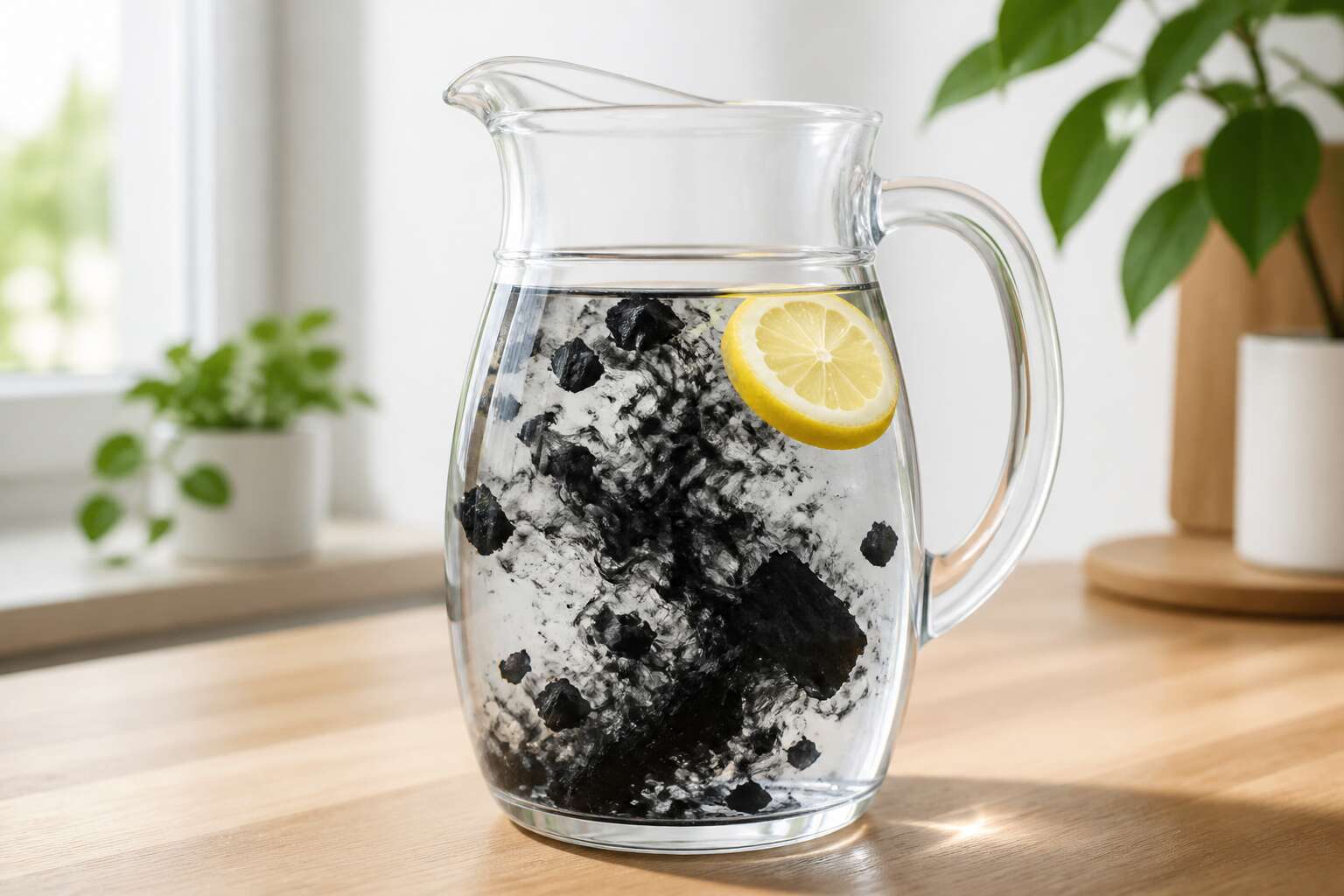
The Fundamentals of Activated Charcoal Filtration
Activated charcoal’s true power is its porosity. A single gram of this material can contain over 3,000 square meters of internal surface area. That scale of surface area, packed into a fraction of a gram, is what makes it so effective.
The process begins with adsorption, not absorption. Contaminants cling to the carbon’s surface through weak electrical forces. This is how activated charcoal filters water at a molecular level, pulling impurities out of suspension:
- Chlorine and chloramine
- Sediment and particulates
- Volatile organic compounds
- Unpleasant tastes and odours
I find the sheer physics of it astonishing! Water flows through the carbon bed, and each pore captures impurities. Knowing how activated charcoal filters water explains why it remains a trusted purification method across South African households and industries alike.
Common Water Impurities Activated Charcoal Can Address
In South Africa, the tap water in many regions smells of chlorine, a chemical added to kill bacteria but one that lingers with a harsh, medicinal taste. That smell is your first clue about what activated charcoal can handle. When you understand how activated charcoal filters water, you realize its porous structure traps impurities as water flows past.
Common culprits include:
- Chlorine and chloramines, which cause that swimming pool aftertaste
- Volatile organic compounds (VOCs) from industrial runoff
- Sediment and rust particles that cloud your glass
- Pesticides that seep into groundwater near farms
The charcoal’s porous structure grabs these molecules through adsorption. I have seen it transform water from brackish to remarkably clean. It also neutralises unpleasant odours, so you can finally drink without wrinkling your nose!
Selecting an Effective Activated Charcoal Filter
Each year, South African households discard millions of litres of bottled water, yet the science of purification remains a mystery to most. Understanding how activated charcoal filters water changes that equation. Activated carbon traps volatile organic compounds and chlorine through adsorption, binding contaminants to its vast internal surface area. One gram of this material can cover over a thousand square metres.
Selecting the right filter demands attention to flow rate, pore size, and certification. Options differ more than you might expect. Consider the following:
– Look for NSF or SABS certification to guarantee contaminant removal claims.
– Match the cartridge lifespan to your household’s daily water usage.
– Check whether the carbon is coconut based or bituminous based; coconut holds up better in warm climates.
This is where the term gets practical. The exact mechanism of how activated charcoal filters water informs your choice, because a filter’s residence time determines whether adsorption actually occurs. Too much flow and contaminants slip past the carbon. Too little and bacteria can colonise the bed.
Installation, Maintenance,and Replacement Best Practices
If you have ever installed a filter cartridge, you know the drill. Shut off the valve, open the housing, swap the block. Sounds easy, but the first time I tried it, a loose O ring caused a flood. The lesson? Check every seal before tightening. Maintenance adds its own demands. A monthly backwash removes trapped grit and keeps the carbon bed loose. Neglect this, and your water flow drops to a trickle.
- Replace the O ring if it shows cracks or stiffness.
- Clean the housing threads with a soft brush.
- Record the date of each service on the housing.
For replacement, do not trust your eyes. A filter can look fresh and still be exhausted. Most manufacturers recommend a six month cycle, but South African source water can test that limit. If you recall how activated charcoal filters water, adsorption has a limit. Once the surface saturates, contaminants have nowhere to go. They end up in your glass.
Activated Charcoal Compared to Other Water Purification Methods
Activated charcoal works through adsorption, a process that traps contaminants in its vast pore structure. Carbon block filters outperform many ceramic and sediment options for removing chlorine, pesticides, and volatile organic compounds. Reverse osmosis removes more, but it strips beneficial minerals and wastes several litres of water per clean litre. Ultraviolet purification kills pathogens but leaves chemical residues untouched. I have tested several systems in Gauteng, and the difference in taste alone is remarkable! How activated charcoal filters water matters because it addresses the contaminants most common in municipal supply lines. Here is a quick comparison of typical household options:
- Carbon block: removes chlorine, taste, odour, and many organics.
- Ceramic: removes bacteria but not chemicals.
- Reverse osmosis: removes nearly everything, including minerals.
- UV: neutralises microbes but ignores chemicals.
The simplicity of charcoal is deceptive. It requires no electricity, produces no wastewater, and connects directly to existing plumbing. For everyday drinking water in South African homes, that balance of efficacy and practicality is hard to beat.



0 Comments