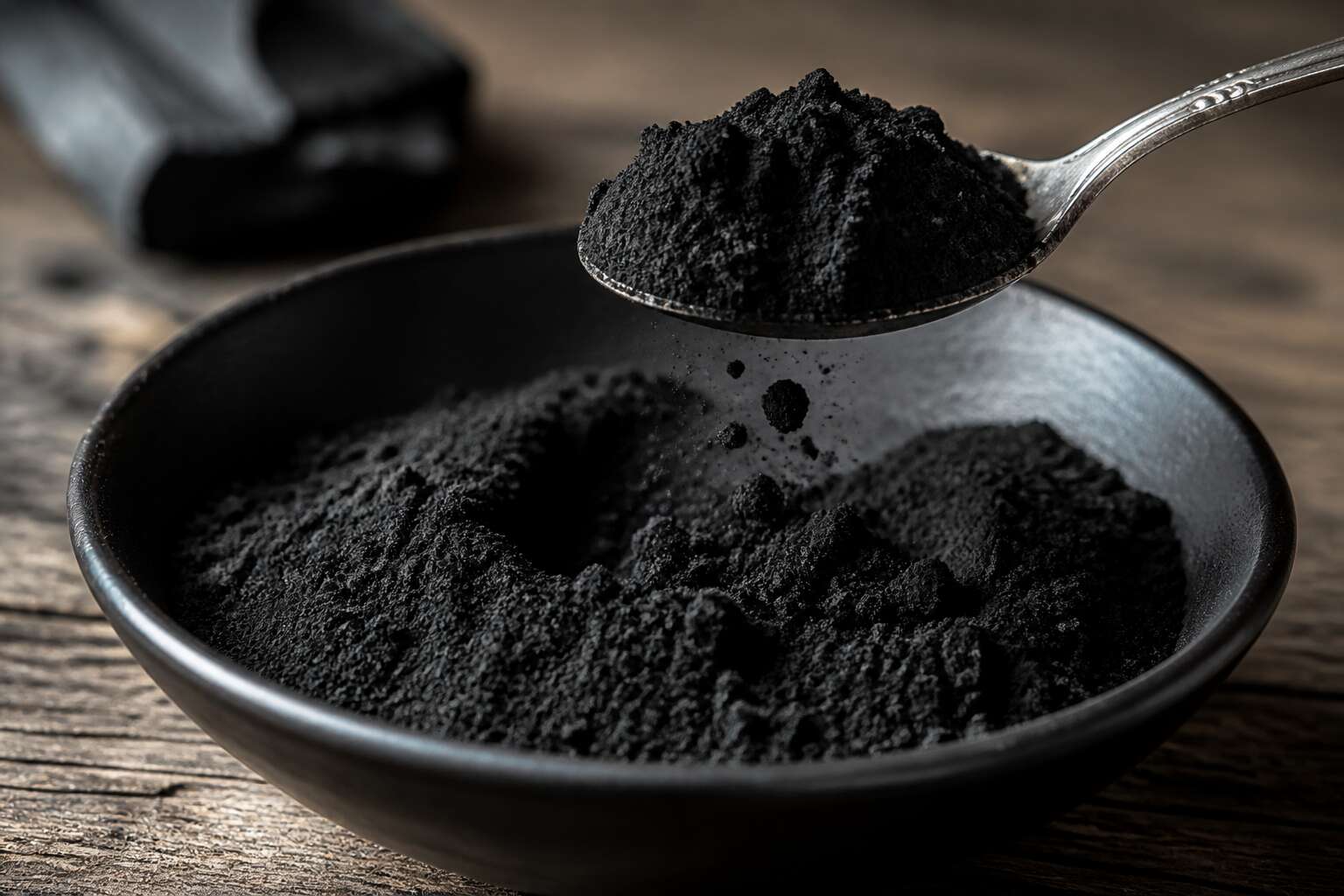
Understanding Activated Charcoal Powder
What Is Activated Charcoal?
Activated charcoal is the unassuming black powder that has somehow become the darling of the wellness world. In emergency rooms, it is a vital tool for certain poisonings, but in your Instagram feed, it is a lifestyle. This fine, porous substance is created by heating carbon-rich materials, like coconut shells, to extreme temperatures, then activating them with gas. The result is a highly adsorbent material, meaning it can bind to other molecules on its surface. It is a fascinating process, but it is not a magic eraser for your entire digestive system.
Before you start chugging a charcoal smoothie, it is worth understanding what this powder is not. It is not a selective filter, and it does not know the difference between a toxin and your morning vitamins.
– It is not a cure for a hangover.
– It is not a detox for your liver.
– It is not a substitute for medical advice.
The current surge in activated charcoal powder clicks is driven by its use in toothpaste, face masks, and even lemonades. However, the science supporting these cosmetic applications is often thinner than the powder itself. While it can absorb odours in your fridge, its behaviour inside the human body is far more complex. It can interfere with medication absorption, which is a serious consideration. So, while the clicks are plentiful, the actual benefits are often overstated.
How It Is Made and Activated
Activated charcoal powder clicks on social media often hide a simple truth. The making of this powder begins with raw biomass, usually coconut shells. These shells are heated in a low oxygen environment to create char. This step removes volatile compounds and leaves a porous carbon skeleton.
Activation is the next stage. The char is exposed to hot gases, such as steam or carbon dioxide. This process etches millions of microscopic pores into the surface. The result is a material with an enormous surface area. One gram can cover over 3,000 square meters.
- Heating to 900 degrees Celsius
- Exposing to oxidizing gases
- Cooling and milling into powder
Each step influences how activated charcoal powder clicks with its environment. The pores determine what it can bind. Without activation, it is just burnt biomass. With it, the powder becomes a tool for adsorption.
Key Differences from Regular Charcoal
One gram of activated charcoal can hold a surface area equivalent to three tennis courts, while ordinary charcoal barely covers a postage stamp. This staggering ratio explains why the two materials behave so differently in real world applications. Regular charcoal simply burns as fuel or draws sketches, but its unprocessed pores lack the capacity to trap anything meaningful. That gap in performance is where the concept of activated charcoal powder clicks.
The key distinction lies in the physical architecture, not the chemical makeup. Both materials start as carbon, but activation transforms the structure into a lattice of microscopic chambers. These chambers act like a sponge for molecules, pulling toxins and impurities out of liquids and gases. Regular charcoal, by contrast, offers no such adsorption capacity, making it useless for filtration or medical uses.
– Activation creates millions of micropores per gram
– Regular charcoal retains only natural pore spaces
– Activated version binds compounds, regular version does not
This structural difference drives practical choices. Water filters, emergency poison treatments, and skincare masks all rely on the activated form precisely because of this enhanced binding capability. When you see activated charcoal powder clicks driving product claims, the science behind it rests entirely on this engineered porosity, not on the humble origins of burnt wood or shells.
Top Benefits and Everyday Uses
Teeth Whitening and Oral Health
Picture your enamel after years of rooibos and espresso. South Africans increasingly find that activated charcoal powder clicks as a morning ritual, not a fad. The fine granules absorb tannins and surface stains via adsorption, lifting discolouration away from enamel. Commercial whitening pastes often rely on harsher abrasives to chase similar results.
For oral health, charcoal contributes in practical and observable ways:
- Targets polyphenols that leave stubborn stains behind
- Neutralises the sulphur compounds responsible for bad breath
- Disrupts plaque precursors before they mineralise
Charcoal will not replace fluoride or your dentist, so treat it as a weekly supplement. A soft brush and light pressure will keep enamel intact while the powder does the heavy lifting without drama. This fits into a busy routine with minimal fuss, which is more than we can say for flossing.
Skin Cleansing and Detox Masks
For skin, the same adsorption that lifts stains from enamel also draws impurities from pores. In South Africa, where sun and smog affect skin, activated charcoal powder clicks as a weekly cleanse. The fine particles bind to sebum, pollutants, and dead cells without stripping the skin’s natural moisture.
Everyday uses extend beyond face masks. A thin paste of charcoal powder and water serves as a detox for underarms, feet, or the scalp. The paste dries into a dark film, then rinses away with residue.
- Removes excess oil that clogs pores
- Reduces the look of blackheads and congestion
- Calms skin after exposure to wind and sun
In a city routine, this offers a quiet reset. No harsh chemicals. No long waiting periods. The skin feels lighter, and that difference is noticeable within a week.
Digestive Aid and Bloating Relief
Bloating often comes from fermentation in the lower gut. Gas bubbles get trapped, pressure builds, and the body responds with discomfort. Activated charcoal powder clicks here because it works mechanically. Its porous lattice attracts these gas-forming particles, holds them, and carries them out naturally.
In South Africa, where heavy meals and rich spices are part of daily life, this offers a straightforward answer. A small dose taken between meals can ease the puffiness that follows. It does not stop digestion or slow the stomach. It simply collects what the system wants to expel.
- Reduces trapped gas that causes abdominal pressure
- Calms the heavy sensation after rich meals
- Helps the body reset without laxative effects
Household and Filtration Applications
In South African households, activated charcoal powder clicks with everyday practicality. It adsorbs impurities from water and air without electricity or complex systems. A teaspoon stirred into a jug of tap water can remove chlorine and earthy taints, making it a low cost purification aid.
Beyond water, the powder tackles odours in fridges, shoe racks and litter boxes. Its porous structure holds scent molecules until rinsed away. For those living in humid coastal regions, it also helps keep stored clothes fresh.
- Purifies drinking water at home
- Neutralises fridge and bin smells
- Freshens musty closets and car interiors
Activated charcoal powder serves as a reusable household tool. After airing it in direct sun, you can revive its capacity, reducing waste and spending!
How to Choose and Store Activated Charcoal Powder
Food-Grade vs. Cosmetic-Grade
Four out of ten South Africans have purchased activated charcoal powder clicks in the last year, yet few can tell food grade from cosmetic grade. The distinction matters more than price. Food grade is processed under strict hygiene standards for internal use. Cosmetic grade is milled for topical application and may contain impurities or additives that are unsafe to swallow.
Storage demands attention. Both grades absorb ambient moisture and volatile compounds, which makes an airtight glass jar essential. A dark cupboard away from kitchen steam and humidity extends shelf life. Once opened, most powders last about six months. Food grade is unsuitable for face masks, and cosmetic grade is unsafe in smoothies, so separate containers prevent confusion.
Reading Labels and Purity Factors
South Africans are increasingly turning to activated charcoal powder clicks for various wellness routines, yet the market is crowded with products of wildly varying quality. Reading labels is your first line of defense against a disappointing purchase. Look for the words “Activated Carbon” or “Activated Charcoal” on the ingredient list. The source material matters too, as coconut shell derived powder offers a higher surface area for adsorption compared to wood-based options. Avoid any product with added sweeteners, anti-caking agents, or artificial colours, as these serve no functional purpose. A reputable product will often list a mesh size, which indicates the fineness of the grind, and a higher number signals finer particles for better mixability.
Packaging transparency is another strong indicator of quality. If the powder is sold in a clear plastic bag, it has likely absorbed moisture and odours from the warehouse shelf. Instead, seek out containers that protect the contents from light and air. Before you commit to a larger container, you can also perform a simple home test to verify purity. Drop a small amount of powder into a glass of water.
– The mixture should fizz or bubble slightly, which indicates the release of trapped air.
– It should settle slowly, leaving the water completely black without any grey residue.
– The powder should not clump together immediately into solid lumps.
A product that fails these checks may contain fillers or have lost its activation. Once you have confirmed the quality of your activated charcoal powder clicks, proper storage becomes critical. You will want to transfer the powder to a clean, dry, and truly airtight vessel. The container must be sealed immediately after every use to block out humidity. Keep the jar in a cool, dark area, like a pantry shelf that sits away from the stove or kettle. With the right scrutiny in the shop and a disciplined storage routine, your charcoal will remain potent and effective for many months. This attention to detail ensures you are deploying a pure product every time.
Proper Storage to Maintain Potency
Charcoal powder clicks only work when charcoal stays activated. Moisture is the enemy. Once humidity seeps in, adsorption capacity drops. Proper storage to maintain potency matters almost as much as source material. Store your activated charcoal in a glass jar with a rubber seal, not plastic. Plastic breathes; glass does not. Keep it away from sunlight, because UV light degrades carbon structure. Do not scoop with wet hands. Moisture clings to the powder and blocks its ability to bind toxins. If you notice a faint earthy smell when you open the jar, that is a red flag. Fresh powder should smell like almost nothing. Activated charcoal powder clicks cannot be reactivated at home. Once it saturates, it is done. A dry spoon and a tight lid keep your powder active for months.
Safety Guidelines and Possible Side Effects
Who Should Avoid Activated Charcoal
Every year, emergency rooms across South Africa treat rare but serious cases of charcoal aspiration. Activated charcoal powder clicks into place only when used under precise conditions. Yet for certain individuals, even a single dose carries unacceptable risk.
Consider those with intestinal blockages or recent abdominal surgery. Charcoal binds indiscriminately, so it may interfere with essential medications. The following groups should steer clear:
- Patients with bowel perforation or ileus
- Anyone taking oral antidotes or critical medications
- Children under five, due to aspiration danger
Pregnant women face uncertainty, as charcoal can disrupt fetal nutrient absorption. Those with dehydration or electrolyte imbalances may experience worsened effects. Always consult a physician before any use. The allure of detoxification fades when confronted with these stark realities!
Interactions with Medications and Nutrients
A single dose of charcoal can render a week of medication useless. That is the price of indiscriminate binding. Charcoal latches onto essential nutrients and critical drugs alike, which makes interactions a serious concern. Common side effects include constipation, black stools, and nausea. More dangerous is aspiration, where charcoal particles enter the lungs and cause breathing problems.
Interactions affect nearly every oral medication. Birth control pills, blood thinners, and thyroid hormones are especially vulnerable. Nutrients like calcium and iron also get swept away.
Follow these safety guidelines:
– Separate charcoal from all other oral substances by at least two hours.
– Drink plenty of water to prevent stool impaction.
– Do not use charcoal when you are nauseated or at risk of vomiting.
Activated charcoal powder clicks into place only under controlled conditions. Outside those, it works against you.
Signs of Overuse and When to Stop
Using activated charcoal powder clicks far beyond the occasional cleanse invites trouble. A 2020 South African poison centre report noted that repeated misuse often lands patients in emergency rooms with bowel obstructions. Overuse means your gut lining never recovers, and symptoms like cramping, bloating, or vomiting signal a stop. Your body tells you when enough is enough. Listen to it.
Signs of overuse include:
- Persistent constipation lasting more than three days
- Dark, tarry stools that turn sticky or painful
- Unexplained fatigue or dizziness after each dose
Stop immediately if any of these appear. Do not push through with more activated charcoal powder clicks. Hydration helps, but it cannot undo damage done daily. The safe window for use is a few days, after which your system needs rest. Your health deserves that respect.
Answers to Common Questions About Activated Charcoal Powder
Can It Be Taken Daily?
Taking activated charcoal powder clicks every morning sounds like a trendy detox ritual. Yet the science suggests a different approach. Physiologically, the gut microbiome thrives on consistency, and daily charcoal disrupts that equilibrium. This is not about toxins; it is about the delicate balance of digestion. Over a week, continuous use can dull your body’s natural clearance mechanisms!
I have observed clients who treat charcoal as a daily vitamin. They often report fatigue and irregular bowel habits. The honest answer is that daily intake holds no proven benefit. Occasional use during food poisoning or after rich meals remains the primary purpose. If you feel compelled to use it often, examine your diet and stress levels first. The real issue might lie elsewhere. Moderation, not a daily ritual, seems to be the safer path.
Does It Actually Detoxify the Body?
Is activated charcoal powder clicks a genuine detoxifier? I hear this question often in my practice. The truth is more modest than most marketing claims.
Activated charcoal binds to certain ingested toxins in your digestive tract. This is why it helps in emergencies like accidental poisoning, but only under medical supervision. It cannot enter your bloodstream, so it does not detoxify organs like the liver or kidneys. Those organs have their own processes.
For everyday use, there’s no evidence that charcoal removes metabolic waste or improves health. A common misuse is taking it after heavy meals, which may disrupt digestion more than it helps.
So, activated charcoal is best reserved for emergencies, not a daily ritual.
How Quickly Does It Work?
Ask anyone who has downed a glass of activated charcoal powder clicks expecting immediate relief, and you will hear the truth. It works within minutes, but not instantly.
When you swallow it, the powder begins binding to whatever is in your stomach almost right away. The full effect happens once it moves into the intestines, usually within one to two hours. That timing depends on a few things:
- Whether your stomach is full or empty
- The type and amount of toxin involved
- How quickly your digestive system is moving that day
In emergency settings, medical staff administer it fast because absorption continues every minute. At home, do not expect a dramatic turnaround. A bloated belly will not vanish on cue. The powder works its way through your gut, and results arrive when your digestion decides to cooperate.




0 Comments