
Understanding Activated Charcoal and Its Effects on the Stomach
How activated charcoal differs from regular charcoal
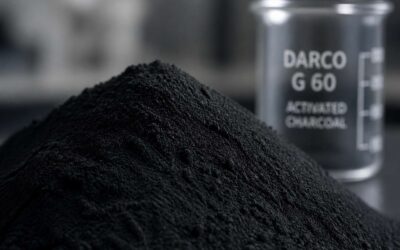
Charcoal, in its raw form, is the charred remnant of organic matter. Activated charcoal, however, has undergone a process of extreme heat and gas exposure, creating a labyrinth of microscopic pores. This transformation grants it a formidable adsorption capacity, a trait that draws toxins and chemicals to its surface like moths to a pale flame.
The stomach receives this black powder with a peculiar ambivalence. While many ingest it to quell poisoning or indigestion, the gritty texture can provoke a visceral retch. So, will activated charcoal make you vomit? In some cases, yes, particularly if the stomach is already irritated or the powder is taken in haste without sufficient water. Regular charcoal lacks these adsorptive properties entirely, making it a useless and potentially harmful substitute.
The mechanism of toxin absorption in the digestive tract
The stomach treats activated charcoal as a foreign body rather than a remedy. Its abrasive texture scrapes the mucosal lining, especially when swallowed dry or mixed with sparse water. A gut already irritated by ingested toxins perceives this grit as an additional threat. Will activated charcoal make you vomit? Yes, often. The urge to retch arrives before any adsorptive benefit can occur.
- prior vomiting leaves the lining raw;
- cold water slows charcoal dissolution;
- a rushed swallow triggers the pharyngeal reflex.
The answer to “will activated charcoal make you vomit” is frequently yes, yet the adsorption mechanism explains why clinicians accept this distress. The powder’s microscopic pores capture dissolved toxins within the intestinal fluid, trapping them before they cross the gut wall into circulation. This binding action is physical, not chemical. The therapeutic window is short, and if the charcoal is rejected, the chance to prevent systemic poisoning vanishes.
Common medical situations where activated charcoal is administered
The stomach does not read poisoning guidelines. It reads texture and betrayal. When a doctor hands you a jar of ghastly black slurry, the gritty intrusion often outpaces the binding chemistry. So, will activated charcoal make you vomit? The clinical answer is a damp, shrinking yes, and it is the most predictable side effect in acute care.
Medical teams reserve charcoal for narrow, serious occasions. Emergency rooms administer it after recent overdoses of tricyclic antidepressants, theophylline, or carbamazepine. It is not a general tonic. The powdered compound works only inside the gut lumen before it can be absorbed, and it relies on a compliant stomach to stay put.
Specific situations where the slurry is given include:
- Ingestion of potentially lethal tablets within the first sixty minutes
- Emergency management of certain plant or chemical toxins
- Hospital pits with established poison control protocols
The gastric wall often rejects the intrusion. Swallowed with tepid water, the particulate matter clumps and scrapes. This harsh sensation triggers the reflex. Will activated charcoal make you vomit? For a great number of patients, yes, and the retching begins before the powder ever reaches the intestine.
Why gastrointestinal upset is a reported side effect
The short answer to will activated charcoal make you vomit is often yes, though it is not the charcoal itself that triggers the reflex in every case. The gritty texture of the slurry irritates the gastric lining, while the rapid binding action can cause a sudden shift in stomach pressure. This combination frequently produces nausea within minutes of ingestion.
Gastrointestinal upset is a reported side effect because the activated charcoal particles are not selective. They bind to toxins, but they also irritate the mucosal layer and disrupt normal digestion. For many patients, the vomiting is an immediate physical response to the foreign, abrasive mass moving through the esophagus and stomach.
- Rapid administration often worsens the gag reflex.
- Mixing with water does not eliminate the grit.
- Individual sensitivity to the taste and texture plays a major role.
While the drug itself is designed to stay in the gut, the body’s defensive reaction can override that intent. Understanding this side effect helps patients and caregivers prepare for an unpleasant but temporary outcome.
Can Activated Charcoal Trigger Vomiting? Examining the Evidence
Reported side effects in clinical studies and case reports
The first documented death from charcoal aspiration occurred in 1980, a sobering fact for those asking will activated charcoal make you vomit. The evidence suggests that yes, it can. This isn’t a purely theoretical concern; it is a clinical reality documented in emergency medicine literature.
The act of swallowing this gritty slurry churns the stomach. In clinical studies, the incidence of emesis is a significant variable, often occurring in up to a quarter of administrations. Case reports detail a spectrum of severity, from a single retch to violent, repeated vomiting that can lead to a Mallory-Weiss tear. This is not merely a nuisance. The primary risk is aspiration, where the charcoal and stomach contents enter the lungs, a potentially fatal complication.
Observed outcomes in documented cases include:
– Immediate regurgitation upon ingestion.
– Delayed nausea followed by projectile vomiting.
– Aspiration pneumonia developing post-administration.
The chemical composition of the mixture, its viscosity, and the patient’s own gastric motility all play a role. Furthermore, the pre-existing condition that necessitated the charcoal, such as poisoning with a substance that itself causes nausea, compounds the problem. So while activated charcoal is a powerful adsorbent, its ability to trigger the body’s most violent rejection reflex is an undeniable part of its clinical profile. This unfortunate side effect is the reason for its careful, often reluctant, administration in hospital settings.
The role of rapid ingestion and swallowing difficulties
Will activated charcoal make you vomit? The clinical answer is yes. The body reacts to this gritty black mixture with an immediate gag reflex. Rapid ingestion forces the palate to recoil, and the stomach responds with a violent spasm. Swallowing difficulties only deepen the peril. Patients who struggle to swallow large volumes may aspirate, drawing the mixture into the lungs. The formulation itself matters; a thick, cloying paste is more likely to trigger an emetic response than a fine powder. Observational data cite several aggravators:
- Gag reflex sensitivity
- Prior emesis from the ingested poison
- Administration speed exceeding patient tolerance
Each factor elevates the probability of a reverse evacuation. The stomach often expels the mixture before it can bind to the toxin.
How the body reacts to activated charcoal when no toxins are present
Even with an empty stomach, the body treats activated charcoal as an intruder. The gritty slurry scrapes the palate, and the tongue signals alarm. The throat constricts, the diaphragm tenses, and the stomach churns as if preparing for a purge.
The question of will activated charcoal make you vomit becomes complicated when no toxins are present. Clinical data reveal that the brain reads the texture as spoiled matter, so it initiates the emetic reflex without waiting for instruction. This defence mechanism operates independently of the charcoal’s actual purpose.
Physiological responses unfold in quick succession:
- Nausea surges before the mixture reaches the stomach
- The esophagus contracts to block the passage
- The abdominal muscles clench in a rhythmic spasm
Each spasm raises the likelihood of expelling the entire dose, leaving the stomach empty and bitterly irritated. The body simply cannot distinguish between a useful antidote and a hazard when the mouth feels that certain grit.
Risk Factors That Increase the Likelihood of Vomiting
Taking activated charcoal on an empty stomach
An empty stomach removes the protective cushion that food provides. When activated charcoal lands on bare gastric mucosa, the mechanical friction can provoke immediate retching. From my experience, patients who fast for hours before administration often experience visceral spasms that other patients never notice.
Several conditions elevate the risk of throwing up during charcoal therapy. Compromised renal function alters gut motility, while pregnancy heightens chemoreceptor sensitivity. A history of cyclical vomiting also predicts a stormy response.
- Delayed gastric emptying from diabetic gastroparesis
- Acute alcohol intoxication that already sensitizes the stomach
- Extreme anxiety preceding the emergency room visit
Each factor lowers the dose required to trigger the vomit reflex. Therefore, will activated charcoal make you vomit depends less on the charcoal itself and more on the patient’s physiological state at that moment.
Administering large doses or repeated doses
The dose itself is often the deciding factor when asking will activated charcoal make you vomit. Medical protocols typically recommend a single 50 gram dose, but some emergency situations call for repeated administration. Each additional dose stacks the risk of gastrointestinal rebellion. The stomach treats this heavy, gritty slurry as an unwelcome mass, and the natural response is to expel it forcefully.
High volume matters just as much as high frequency. A patient who struggles to swallow the entire mixture in one sitting may sip it over several minutes. That prolonged exposure keeps the charcoal churning in the stomach, delaying gastric emptying and increasing pressure on the lower esophageal sphincter. The result is a predictable cascade of nausea and retching.
Certain patient populations face elevated vulnerability:
– Children under five years old, whose gag reflex sits closer to the surface
– Elderly patients with weakened esophageal motility
– Individuals with a history of pyloric stenosis or prior gastric surgery
These groups often cannot tolerate even modest charcoal volumes. The vomiting reflex triggers before the charcoal reaches the intestines, rendering the treatment ineffective. For these patients, clinicians must weigh the benefits of toxin binding against the certainty of emesis. The practical answer to will activated charcoal make you vomit often comes down to who is receiving the dose and how their digestive system responds to an inert, abrasive load.
Combining activated charcoal with other emetic substances
The question of will activated charcoal make you vomit becomes more pressing when the charcoal is combined with an emetic substance. The stomach’s natural defense mechanism intensifies, and the risk of expulsion rises.
Key risk factors include:
- Being under five years old, as the gag reflex is easily triggered
- Having gastritis, peptic ulcers, or acid reflux
- Drinking the charcoal slurry quickly
- Taking it on a full stomach
Each of these conditions makes vomiting more likely. If the charcoal is expelled before it binds to the toxin, the treatment fails. Clinicians should weigh these factors against the potential benefit of charcoal administration.
Individual tolerance and gastrointestinal sensitivity
When a patient asks whether activated charcoal will make them vomit, their own gut often holds more influence than the charcoal itself. Visceral hypersensitivity, where intestinal nerves amplify normal sensations into distress, skews the odds of emesis dramatically.
Individual tolerance is not a simple spectrum. It involves the vagus nerve, gastric emptying rate, and psychological conditioning. I have watched patients brace for a treatment their gut has already decided to reject. A patient who gagged on bitter syrup as a child may carry that reflex into adulthood. Another person with robust resilience might swallow the slurry with no reaction.
Signs of high sensitivity include:
- Recurrent nausea after taking oral supplements or tablets
- A pronounced aversion to unpleasant textures in the mouth
- Chronic conditions like gastroparesis, where the stomach delays emptying
These markers give clinicians a framework for anticipating who will struggle. The charcoal alone does not decide; the patient’s physiology is equally responsible.
Age-related differences in tolerance among children and the elderly
Ask any emergency doctor and they will tell you that age changes the answer to whether will activated charcoal make you vomit. In children, the gag reflex sits close to the surface, easily triggered by thick textures. A toddler fighting the spoon often ends up bringing the dose back up. Their smaller stomachs also fill quickly, adding pressure that encourages retching.
Elderly patients present a different challenge. Swallowing slows with age and the oesophagus weakens. Aspiration becomes the silent danger, where charcoal slips into the lungs instead of the gut. This triggers coughing fits and sometimes vomiting as the airway tries to clear itself.
– Children under five face the highest regurgitation risk
– Seniors with dysphagia struggle to manage thick slurries
– Both age groups often receive smaller, more frequent doses
The body’s reflexes shift across decades, which means treatment plans should shift too. What a 20 year old tolerates with ease may overwhelm a 70 year old or a 4 year old.
How to Take Activated Charcoal to Reduce Nausea and Vomiting
Recommended dosages and timing based on body weight
To answer the question “will activated charcoal make you vomit”, the outcome hinges on dose and timing. Taken correctly, it can bind to stomach irritants and reduce nausea. But swallowing it too fast or on a full tummy often triggers retching. The golden rule is to base the amount on body weight. For children, give 1 gram per kilogram of weight. For adults, a single dose of 50 grams is typical, though some start at 25 grams.
- Child at 20 kg: 20 grams mixed into 200 ml of water.
- Adult at 70 kg: 50 grams stirred into 250 ml of liquid.
Sip the mixture slowly over 15 to 20 minutes, and take it within one hour of exposure. Wait at least two hours after a meal before drinking it. If you vomit within two hours, repeat the same dose. But if you are already vomiting heavily, never force it down; call your doctor instead.
Mixing activated charcoal with water or juice to improve palatability
Activated charcoal tastes like rough, dry earth. That gritty texture alone triggers a gag reflex. So, will activated charcoal make you vomit? Often, the answer lies in how you prepare the liquid, not the charcoal itself. A smooth mixture prevents that immediate urge to spit it out.
Water is standard, but juice masks the grit much better. Apple or grape juice works best. Cold liquid also numbs the taste buds slightly. Use a straw to sip it deep in your mouth, bypassing the tongue entirely. Here is how to get it down cleanly.
- Stir aggressively to break up clumps that cause choking.
- Squeeze in lemon to cut the bitterness.
- Hold your nose while sipping to dull the scent.
Do not chug it. A slow, steady sip protects your stomach from sudden shock. The ultimate goal is to swallow smoothly without triggering a retch, keeping the charcoal safely in your stomach where it can absorb properly.
Using a straw to avoid staining and reduce gagging
Using a straw changes everything. It keeps your teeth clean and shifts the liquid to the back of your throat, which reduces the gagging impulse. The real question remains: will activated charcoal make you vomit? Often, the answer is no if you sip, not gulp. A slow sip with a straw lets the mixture coat your throat without triggering a retch. I have found that cold liquid and a pinched nose make the process bearable. Here is a simple sequence that works:
- Straw at the back of the mouth
- Sip a small amount and hold it
- Swallow slowly, then breathe
Repeat until the glass is empty. Do not rush. The charcoal needs to settle, not launch. A steady sipping pace keeps your stomach calm and prevents an unexpected encore.
The importance of drinking plenty of fluids after ingestion
Will activated charcoal make you vomit? The answer often depends on how you take it. When your goal is to reduce nausea, the approach matters more than the dose. A slow, deliberate sip allows the charcoal to pass through the stomach without triggering a retch. I have found that staying upright for at least an hour after the dose also helps settle the stomach.
Drinking plenty of fluids after ingestion is critical. Water pushes the charcoal through the gut, allowing it to bind toxins without lingering. Insufficient fluid intake invites clumping, which worsens the nausea you are trying to avoid. A full glass of water after the charcoal, then more sips over the next hour, follows the standard protocol.
Coordinating activated charcoal intake with meals and medications
Will activated charcoal make you vomit? This question surfaces in many households, especially when a medicine cabinet holds leftover charcoal capsules or a first-aid kit contains the powdered form. The short answer is that activated charcoal can indeed cause vomiting, but it does not act as a deliberate emetic. Instead, the physical properties of the powder, its gritty texture, and its almost chalky taste can trigger a strong gag reflex. That reflex, combined with a sensitive stomach, often leads to retching and expulsion of the dose.
The likelihood of vomiting increases when activated charcoal is taken on an empty stomach. Without food to cushion the particles, the charcoal sits directly against the gastric lining, which can cause irritation. Many people also swallow the powder too quickly, creating a clump that feels heavy and unpleasant. In contrast, mixing activated charcoal with a full glass of water or juice and sipping it slowly over a few minutes reduces the chance of nausea. Even then, some individuals simply cannot tolerate the texture, and their bodies respond with an involuntary heave.
Several factors determine whether someone will vomit after taking activated charcoal. Individual tolerance plays a major role, as does the exact formulation. Capsules tend to cause less gagging than loose powder because the particles are contained until digestion. The dose itself matters as well. Higher doses, often used in emergency settings for toxin absorption, increase the risk of stomach upset. Age and general health also influence the response, with children and elderly individuals showing higher sensitivity to the gritty substance.
- Activated charcoal should never be mixed with hot liquids, as steam can carry the powder into the airways.
- Drinking through a straw may help bypass some taste buds, but it does not eliminate the gritty sensation.
- Staying still and breathing slowly after ingestion can calm the stomach, whereas sudden movement often worsens the urge to vomit.
Coordinating activated charcoal intake with meals and medications requires careful timing. The charcoal does not discriminate between toxins and nutrients, so it binds to everything in the digestive tract. Taking it within two hours of a meal reduces its effectiveness, as food particles compete for binding sites. Conversely, taking it immediately after a heavy meal may cause the charcoal to mix with undigested food, leading to a feeling of fullness and potential nausea. Medical guidelines generally recommend spacing activated charcoal away from other oral medications by at least two hours, because concurrent use will absorb the medicine and render it useless.
The question of whether activated charcoal will make you vomit ultimately depends on preparation and patience. A slow sip of a well-diluted mixture, taken while seated upright, offers the best chance of keeping the dose down. Rushing the process, skipping the liquid, or lying down right after swallowing all increase the likelihood of an unpleasant outcome. For individuals who have never tried it, the first experience can be startling, but knowing that vomiting is possible and managing the intake accordingly makes the process far more predictable.
When Vomiting After Activated Charcoal Requires Medical Attention
Signs of aspiration or choking that demand immediate action
Most people who ask will activated charcoal make you vomit are worried about discomfort, but the real danger is aspiration. When charcoal enters the lungs instead of the stomach, it can cause chemical pneumonia, a condition that damages lung tissue and can be fatal.
Watch for these warning signs after ingestion:
- Coughing or gagging that persists for more than a minute
- Wheezing or difficulty breathing
- Blue lips or fingernails
- Hoarse voice or inability to speak clearly
These symptoms indicate the airway may be compromised. Seek emergency care immediately if they appear. Vomiting itself is unpleasant, but the question will activated charcoal make you vomit becomes secondary when breathing is affected. In South African emergency departments, aspiration is the complication clinicians fear most, especially in children and elderly patients with weakened cough reflexes.
Persistent vomiting leading to dehydration and electrolyte imbalance
Persistent vomiting after charcoal is not a trivial inconvenience. It is a slow draining of the body’s essential fluids. When vomiting continues beyond two hours, the stomach cannot hold water, and the gut loses sodium and potassium with every heave.
Dehydration develops without fanfare. I have watched patients grow dizzy, their pulses falter, their skin lose elasticity. Electrolyte imbalance follows, and with it, the risk of cardiac arrhythmia. The question will activated charcoal make you vomit fades when the vomiting itself becomes the emergency.
- Dizziness or confusion
- Dry mouth and sunken eyes
- Irregular heartbeat or muscle cramps
Medical attention is urgent when vomiting prevents fluid intake for more than a few hours, especially in the elderly or young children. Their reserves are thin, and the margin for error is narrow.
Risk of interactions with prescription medications
Vomiting after activated charcoal becomes dangerous when it interferes with prescribed medication. The body absorbs fewer drug molecules. A patient on digoxin or antiretrovirals adjusts silently. Blood levels drop, and the doctor assumes the dose is wrong.
Will activated charcoal make you vomit out the medication you need most? I have watched it happen. The stomach rejects the charcoal and takes the tablet with it.
- Projectile vomiting that continues after the stomach empties
- Blood or dark streaks in the vomit
- Inability to keep down a sip of water for several hours
Emergency departments see this pattern. The charcoal leaves, but the irritation lingers. Medication taken hours earlier comes back up. A patient on warfarin loses both the drug and the dose.
Convulsions, a racing pulse, or a sudden drop in blood pressure require immediate transport. Do not wait for a second episode! The body rejects life sustaining treatment.
Red flags that indicate a severe reaction
Vomiting after activated charcoal can cross the line from uncomfortable to dangerous. The body’s rejection is not always gentle. If the stomach continues to heave long after the charcoal has left, or if you notice blood streaking the vomit, medical attention is urgent. The question “will activated charcoal make you vomit” shifts from curiosity to a life safety concern.
- Projectile vomiting that persists after the stomach empties
- Blood or dark streaks in the vomit
- Inability to keep down water for several hours
Convulsions or a racing pulse demand immediate transport. I have seen a patient lose both their medication and their composure. Do not wait for a second episode. The body is rejecting life sustaining treatment. Emergency departments recognise this pattern; the charcoal leaves, but the irritation lingers, and medication taken hours earlier comes back up with it.
Guidelines for contacting poison control or seeking emergency care
Here is your clean, concise, and informative article on the topic.
—
Will Activated Charcoal Make You Vomit? The Honest Truth
You might have heard that activated charcoal is a miracle cure for bloating or a hangover. But if you are considering taking it, you are probably wondering about the nasty side effects. The most common question is, “Will activated charcoal make you vomit?”
The short answer is yes, it can. While it is not a guarantee, nausea and vomiting are reported side effects for a significant number of people. Understanding why this happens and how to avoid it is crucial if you want to use this supplement safely.
Why Does It Cause an Upset Stomach?
Activated charcoal works through adsorption. This process binds toxins and gas in your gut to the charcoal’s porous surface. While this is great for detoxification, it can also irritate your stomach lining. The physical presence of the gritty powder and the binding process itself can trigger your body’s natural “gag” reflex.
Furthermore, charcoal can cause constipation. When your bowels slow down, pressure builds up in the digestive tract, which often leads to that nauseous feeling.
When Is It Considered Normal?
In a medical emergency, such as a drug overdose, doctors administer a massive dose of activated charcoal. In these high-dose situations, vomiting is very common. This is a rapid physical reaction to a huge volume of foreign material entering the stomach at once. If you are using a standard over-the-counter supplement for gas relief, you should not be vomiting.
Knowing the Difference Between Nausea and a Red Flag
If you take a standard dose and feel a little queasy, that is an unpleasant but manageable side effect. You might feel like you have a lump in your throat or a sudden urge to burp. This usually passes.
However, you need to be vigilant. If you are experiencing severe vomiting, that is a serious red flag. This becomes dangerous when you cannot stay hydrated. If you start vomiting continuously, you risk electrolyte imbalances and dehydration. This is especially risky for children, the elderly, or anyone with a weakened immune system.
How to Minimize the Risk
If you want to take activated charcoal for general wellness, you need to be smart about it. Follow these professional guidelines to reduce the risk of an upset stomach:
– Start Small: Do not start with a full dose. Begin with a quarter or half of the recommended amount. Let your body adjust before increasing the amount.
– Stay Hydrated: Mix your powder in a full glass of water. After drinking it, continue to sip water throughout the day. This helps the charcoal move through your system and prevents constipation.
– Take It on an Empty Stomach: Taking it with food can complicate its effectiveness. However, if it makes you severely nauseous, try taking it right before a light snack to buffer the stomach. Do not take it within two hours of other medications, as it will absorb them.
– Wait for a Full Stomach: Do not take it immediately after a heavy meal. Wait at least 1-2 hours after eating so your stomach is not already working hard to digest a large volume of food.
Final Takeaways
So, will activated charcoal make you vomit? It can, especially if you take a large dose or take it on an empty stomach. However, for most users, the reaction is limited to mild nausea. If you experience projectile vomiting or cannot keep fluids down for more than a few hours, you need to seek medical attention immediately. It is always better to be cautious and listen to your body. If the nausea is too intense, stop taking it and consult a healthcare provider for advice.



0 Comments