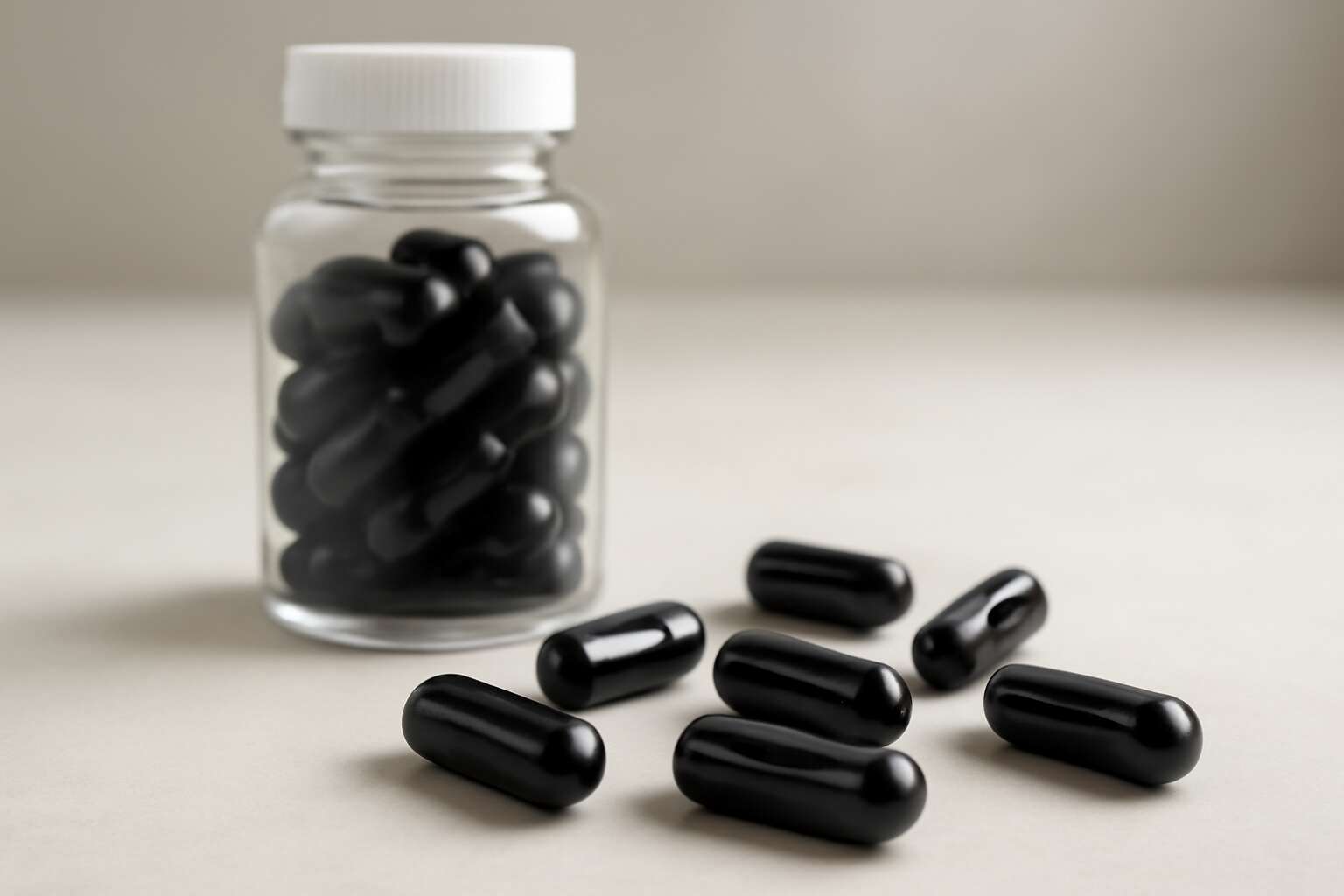
Activated Charcoal Tablets Safety: SEO Outline
Section 1 — Understanding Activated Charcoal Safety
In South Africa, curiosity about safety travels faster than a taxi at peak hour. A recent health survey suggests 40% of readers are curious about what activated charcoal can and cannot do. When conversations turn to remedies, wit and caution mingle in equal measure. This is the moment to ponder: are activated charcoal tablets safe.
Activated charcoal acts like a sponge in the gut, grabbing many substances as it passes. It isn’t a universal antidote, though, and it can dull the effects of certain medicines. The trick is timing and context, not a miracle panacea.
- Adsorbs certain toxins in the digestive tract
- May interfere with the absorption of some medications
- Not a one-size-fits-all remedy for every ailment
Quality matters on the shelf—look for reputable brands with clear ingredient lists. In clinical settings, charcoal is cherished for specific scenarios, yet its role in routine care remains a matter of nuance rather than bravado.
Section 1 — What activated charcoal is and how it works
Activated charcoal is a carbon-based material, heated and treated to reveal an astonishing maze of pores. This labyrinth yields a vast surface area, so it can bind certain organic molecules as they pass through the gut. It is not absorbed into the bloodstream, and its usefulness depends on context rather than bravado. So, are activated charcoal tablets safe? The answer rests on how, where, and why it is used—not on superstition.
Key characteristics at a glance:
- High surface area from micro- and mesopores
- Primarily acts in the digestive tract
- Effectiveness depends on timing and substances present
Quality matters; look for reputable brands with clear ingredient lists and honest labeling. In South Africa, this scrutiny isn’t mere theater—it keeps the conversation grounded in science rather than slogans.
Section 1 — Common uses and contexts
The question, are activated charcoal tablets safe, lingers in clinics and kitchens across South Africa, but the answer rests in context rather than bravado. These tablets occupy a broad niche, steered by timing and brand quality more than bravado.
Common uses and contexts include:
- Relief from mild, transient gut upset when guided by a healthcare professional
- Emergency poison scenarios under medical supervision
- Short-term measures after exposure to certain toxins in controlled environments
Ultimately, are activated charcoal tablets safe? The answer hinges on context—timing, interactions with other medicines, and brand integrity. In South Africa, clarity in labeling matters, and reputable brands help readers gauge safety within realistic limits.
In SA, the ethical standard is clear labeling and honest claims, letting science illuminate the path through the labyrinth of pores.
Section 1 — Who should avoid use and general cautions
Are activated charcoal tablets safe? The answer wears the cloak of context: timing, brand integrity, and the quiet balance between relief and risk. In South Africa, clarity in labeling is a lighthouse amid the murk, guiding readers toward truth rather than bravado.
Who should avoid use?
- Infants and young children without medical supervision
- Pregnant or breastfeeding individuals unless a clinician approves
- People with bowel obstruction, perforation, or ileus
- Those taking medications that rely on precise absorption or binding
General cautions linger like shadows: activated charcoal can interfere with the absorption of other medicines and nutrients. It should not be used as a routine remedy, and South African labeling standards emphasise seeking professional guidance when concerns arise instead of relying on marketing bravado.
Section 2 — Mechanism and Pharmacology
A striking fact anchors this exploration: roughly 0% of activated charcoal is absorbed into the bloodstream, making its action a gut-only affair. It operates by adsorption—the porous surface clinging to molecules—so toxins and a subset of drugs stay trapped in the intestinal lumen rather than crossing into circulation.
- Adsorbs a wide range of substances within the GI tract, including some toxins and medications
- Can delay or reduce the absorption of co-administered drugs if taken too closely in time
This simple question—are activated charcoal tablets safe—drives the discussion about when and how it might be appropriate. Its non-selective adsorption means timing and context are everything, not bravado.
Because the footprint is local, systemic risks are minimal, yet interactions with prescribed therapies can matter. South African labeling and pharmacovigilance frameworks urge professional guidance to maintain clarity between relief and risk.
Section 2 — How activated charcoal binds substances in the gut
In the quiet, porous corridors of the gut, activated charcoal works like a soft magnet. About 0% is absorbed into the bloodstream, so its spell remains gut-bound. The question are activated charcoal tablets safe is central here, guiding how binding unfolds within the digestive tract.
Adsorption is the operative magic: a charcoal surface traps a broad range of molecules—toxins, selected medications, and other travelers through the gut—keeping them pinned in the lumen rather than wandering into circulation. Because the process is non-selective, timing and context shape safety, and South African labeling and pharmacovigilance frames help orient clinicians.
Key interactions include:
- Adsorbs a wide range of substances within the GI tract, including some toxins and medications
- Can delay or reduce the absorption of co-administered drugs if timing is close
- Remains a local, non-systemic mechanism with minimal systemic risk
Section 2 — Onset, duration, and clearance
A 30-minute window often separates benefit from missed opportunity in gut emergencies. are activated charcoal tablets safe? The safety story here hinges on timing and context, not luck. When used promptly to bind substances in the GI tract, charcoal stays local and non-systemic.
Onset is modest but meaningful: most people notice effect within 30 to 60 minutes as the substance mingles with contents of the lumen.
- Onset: 30–60 minutes
- Action: local adsorption in the GI tract
- Clearance: via normal GI transit (hours to days)
Duration and clearance follow the gut’s tempo. The charcoal lingers in the lumen only until transit sweeps it away, leaving no lasting systemic residue. In South Africa, labeling and pharmacovigilance frameworks guide clinicians, especially when timing with other medications may delay absorption.
Section 2 — Differences between dietary charcoal, activated charcoal, and medical-grade products
In the marketplace, dietary charcoal, activated charcoal, and medical-grade products aren’t the same thing. The differences show up in processing, intended use, and purity, not hype. The question ‘are activated charcoal tablets safe’ surfaces when people compare glossy powders with tablet formulations, and I’ve learned to anchor this discussion in function and quality, not folklore. When aligned with quality controls, charcoal acts locally in the gut, with no systemic spillover!
- Dietary charcoal is plain charcoal, with no activation step, often marketed for general cleansing rather than medical use.
- Activated charcoal is processed to increase surface area, binding substances in the gut, but variations in purity matter.
- Medical-grade products carry stricter specifications, clear labeling, and pharmacovigilance to minimize interactions and inconsistencies.
In South Africa, labels and quality standards shape safe, appropriate choices for patients and clinicians.
Section 3 — Safety Considerations and Risks
“Charcoal is a faithful binder, but it asks for respect,” a SA clinician reminds us. The gut is a busy harbor where activated charcoal tablets perform their local dance—binding substances before absorption, not by magic, but by careful chemistry. Are activated charcoal tablets safe? The answer hinges on dosage, purity, and timing.
Activated charcoal acts locally in the gut, yet safety concerns loom when products vary in quality or when dosing is inconsistent. Potential risks include irritation if taken with certain medications, constipation or rare bowel obstruction with prolonged use, and unintended interactions that blunt prescription therapies. In South Africa, labels, pharmacovigilance, and clear manufacturing standards help keep this binder in the right lane.
The market reality in SA is that quality controls shape safer choices for patients and clinicians.
Section 3 — Potential side effects and how to recognize them
“Charcoal is a faithful binder, but it asks for respect,” a SA clinician reminds us. are activated charcoal tablets safe? The answer hinges on dosage, purity, and timing.
Safety hinges on quality and how the product is used. Common red flags to watch for include:
- Nausea or vomiting
- Constipation or abdominal discomfort
- Severe abdominal pain or the inability to pass stool or gas
In South Africa, labels, pharmacovigilance, and manufacturing standards help keep activated charcoal in the right lane. When quality controls are solid, safety concerns ease for patients and clinicians.
Section 3 — Drug interactions and absorption interference
In the quiet calculus of healing, timing is destiny. Activated charcoal acts as a faithful binder, but safety hinges on how it’s used alongside other medicines. The question “are activated charcoal tablets safe” surfaces often, and the answer rests on dose, product purity, and spacing between dosages.
Within the gut, charcoal can bind substances and curtail absorption, which is the essence of drug interactions and absorption interference.
- Medications with absorption-dependent timing
- Hormonal contraceptives and some antidiabetics
- Drugs with narrow therapeutic windows
When used thoughtfully, risk eases for patients and clinicians, especially in a regulatory environment like South Africa that emphasizes labels and pharmacovigilance.
Section 3 — Special populations and safety cautions
Special populations demand careful consideration when discussing safety. In practical terms, safety hinges on dose, product purity, and timing. When people ask are activated charcoal tablets safe, a clear answer emerges: risk is minimized with careful, medically guided use rather than routine self-treatment.
- Pregnant or breastfeeding individuals
- Young children or older adults with slowed gut motility
- People taking medications with narrow therapeutic windows
- Those with intestinal obstruction or perforation risk
In these groups, the gut may bind essential medicines, altering absorption and effectiveness. Clinicians emphasize clear labeling, avoidance of multiple dose spacings, and professional oversight to prevent unintended interactions in settings like South Africa’s pharmacovigilance landscape.
Section 3 — Contraindications and when to discontinue use
Safety with activated charcoal isn’t a carnival ride—it’s a measured exercise in timing and labeling. If you’re wondering whether are activated charcoal tablets safe, the answer hinges on context, dose, and professional oversight.
Contraindications aren’t mere cautions; they’re guardrails. For anything that risks intestinal blockage or gut integrity, avoid use and consult a clinician — especially if you’re pregnant, have surgical histories, or suffer slow gut motility.
- Sign of possible obstruction (severe cramping, inability to pass gas or stool)
- Worsening or persistent GI distress after dosing
- Starting new medicines where absorption timing is critical
In South Africa, labeling and pharmacist oversight help ensure safe decisions; in doubt, loop in your healthcare professional before continuing.
Section 4 — Guidelines for Safe Use
In the bustling shelves of South Africa’s pharmacies, a persistent question threads through conversations and labels: “are activated charcoal tablets safe.” The answer is nuanced, tethered to context, label accuracy, and professional oversight. This section provides high-level guardrails for safe use, rooted in local practice and pharmacovigilance.
- Rely on labeling and professional counsel to interpret potential risks
- Be mindful of medicines that depend on precise absorption timing
- Choose medical-grade products and seek clinician input when in doubt
These guardrails offer clarity without reducing safety to a one-size-fits-all rule, recognizing the complex gut-chemical milieu present in South Africa.
Section 4 — Dosing basics and timing with meals and other medications
In South Africa’s bustling pharmacies, the perennial question: “are activated charcoal tablets safe” lingers on labels and in conversations. A local pharmacist likes to quip, timing is everything—what you swallow and when you swallow it can turn a cure into a caveat. The answer is nuanced, tethered to context, label accuracy, and professional oversight, especially when timing with meals and other medications is involved.
When it comes to dosing basics and timing, the gospel is not ‘one size fits all.’ Respect the label and seek clinician input when in doubt.
- Different meals and medications may require different spacing to avoid interference with absorption.
- Medical-grade products and professional advice help ensure safety in complex regimens.
- Special populations may require extra caution and professional oversight.
Section 4 — Red flags and when to seek medical advice or emergency care
Red flags can turn a routine supplement into a perilous moment. In South Africa’s bustling pharmacies, the question lingers: are activated charcoal tablets safe, especially when timing and co-ingestants are involved?
- trouble breathing or throat swelling
- loss of consciousness or severe confusion
- persistent vomiting or severe abdominal pain
- ingestion of unknown substances or a large amount
- signs of an allergic reaction, such as rash or swelling
If any of these signs appear, seek immediate medical advice or emergency care. In South Africa, contact your local emergency services or the SA Poison Information Centre at 0861 555 777 for guidance.
Many readers ask: are activated charcoal tablets safe. The short answer remains nuanced—safety hinges on professional oversight, context, and adherence to labeling.




0 Comments