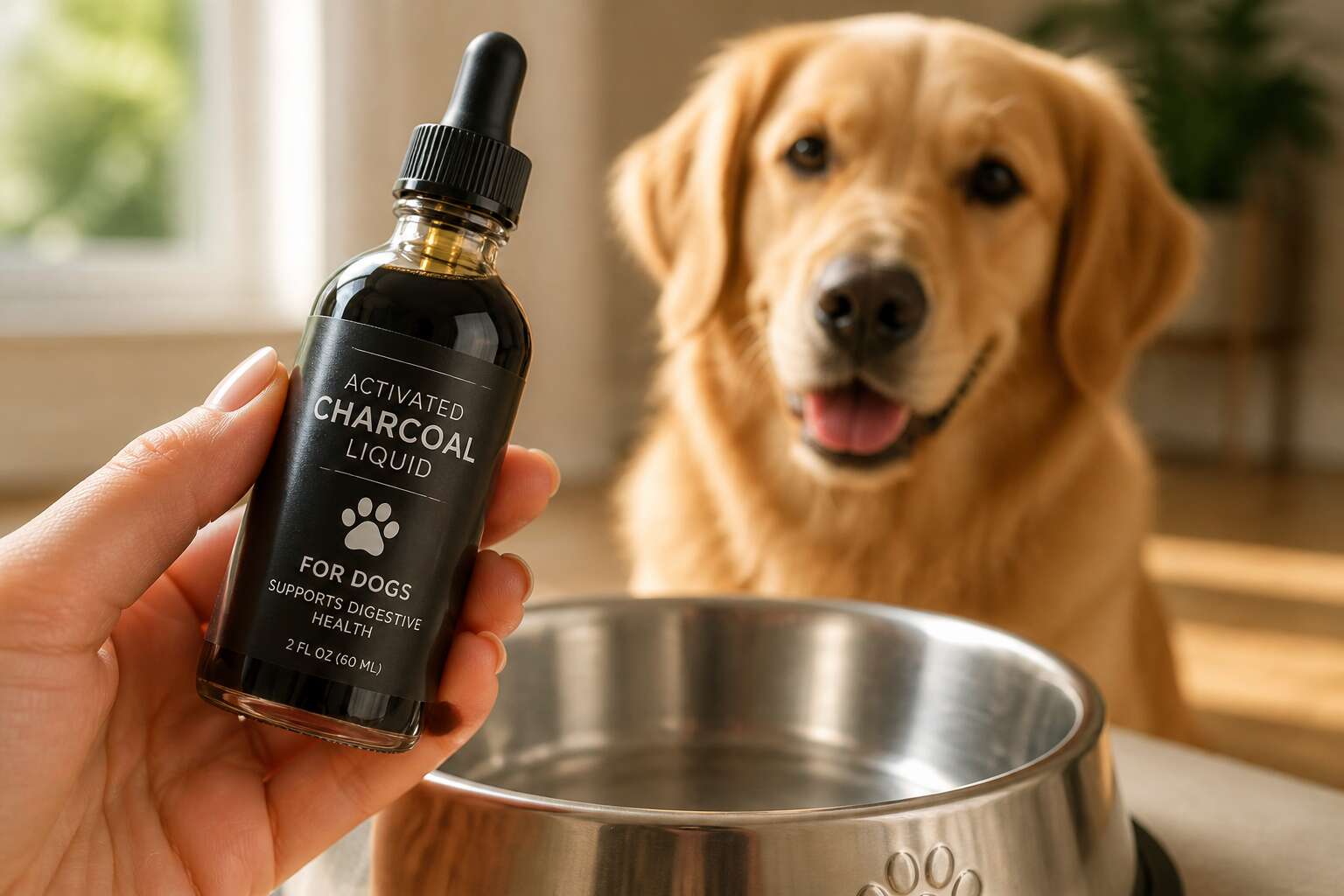
Understanding Activated Charcoal for Dogs
Every year, dogs find trouble in a dropped pill or a toxic plant. Activated charcoal liquid for dogs offers a narrow window of action, binding certain poisons before they cross the intestinal wall. The key lies in its porous surface, which creates a massive area for absorption. Speed matters. A dose within sixty minutes can reduce toxicity significantly, but only for specific substances.
Understanding what this liquid can and cannot do prevents false hope. It works on many organic toxins, yet fails against heavy metals and corrosive agents. Always contact a veterinarian first, because misidentification of the poison can lead to worse outcomes.
– Check the expiration date before use.
– Measure the liquid precisely for your dog’s weight.
– Never administer if your dog is unconscious or having seizures.
These steps keep the treatment safe and effective.
Key Benefits of Charcoal Liquid for Canine Health
A dog’s nose finds trouble faster than its systems can process it. That is why activated charcoal liquid for dogs has become a fixture in South African households. Its porous structure grabs toxins before they enter the bloodstream, offering a practical response to accidental ingestion.
I have seen this work when pets scavenge spoiled food or lick something suspect. The liquid form absorbs faster than powders or capsules, which matters during a crisis. Consider these benefits for your canine!
- Binds to harmful compounds that cause gastric upset
- Eases intestinal distress from dietary indiscretion
- Supports recovery during episodes of poisoning
For guardians who live far from an emergency vet, this supply offers vital support. Yet it is not a cure all; always consult a professional first.
Safe Dosage and Administration Guidelines
The vet’s syringe holds a viscous black liquid, and that moment demands precision. For activated charcoal liquid for dogs, the dosage depends entirely on weight, usually 1 to 3 milliliters per kilogram. Weigh your dog without guesswork; a scale matters more than intuition. Give the dose within two hours of ingestion, or the toxins slip beyond reach.
Administer slowly, with the syringe angled toward the inner cheek. Pause if your dog coughs, as aspiration can cause pneumonia. Afterward, offer water to prevent dehydration, but skip food for at least an hour.
Consider these safety checks:
- Confirm the poison type before dosing.
- Calculate based on current weight, not a memory.
- Seek veterinary help if vomiting persists.
The charcoal works best when every variable is controlled.
Potential Side Effects and Precautions
Few sights rival the sheer panic of a dog pooping what looks like a lump of coal. That black stool is the activated charcoal liquid for dogs doing its job, but it is also the first sign that constipation may follow. Charcoal is not subtle. It binds moisture as it travels, and everything slows down.
- Give the liquid at least two hours away from other medicines.
- Do not use it for caustic or petroleum based poisonings.
- Stop if your dog vomits repeatedly after dosing.
Vomiting itself can occur, especially if the dose was too generous. Activated charcoal liquid for dogs works by binding toxins, but it binds useful things too, like the expensive medication you just administered. Dehydration is another quiet risk. Keep fresh water flowing and monitor your dog’s demeanour. If symptoms persist beyond a day, phone your vet. The charcoal may be helpful, but it has limits.
Selecting a High-Quality Charcoal Liquid
Every rural dog owner knows the panic of a poisoned pup. A scattered flock of chickens, a half chewed rat bait, and suddenly you have no time to waste. In South Africa, agricultural toxins sit close to every farmhouse. The right activated charcoal liquid for dogs can bind those poisons before they do real harm, but only if you choose it carefully.
Quality matters more than convenience. You want a product that acts fast and holds firm. So what separates a reliable formula from a useless imitation? Three things.
- Check the carbon source. Coconut shell or wood based charcoal offers superior adsorption.
- Look for a high surface area, at least 1500 square metres per gram.
- Reject anything with sweeteners, preservatives, or artificial colours.
That last point surprises many owners. A bitter taste is normal, and that bitterness signals purity. When you read the label, remember the carrier liquid matters too. A simple water suspension beats chemical laden syrups every time.

0 Comments