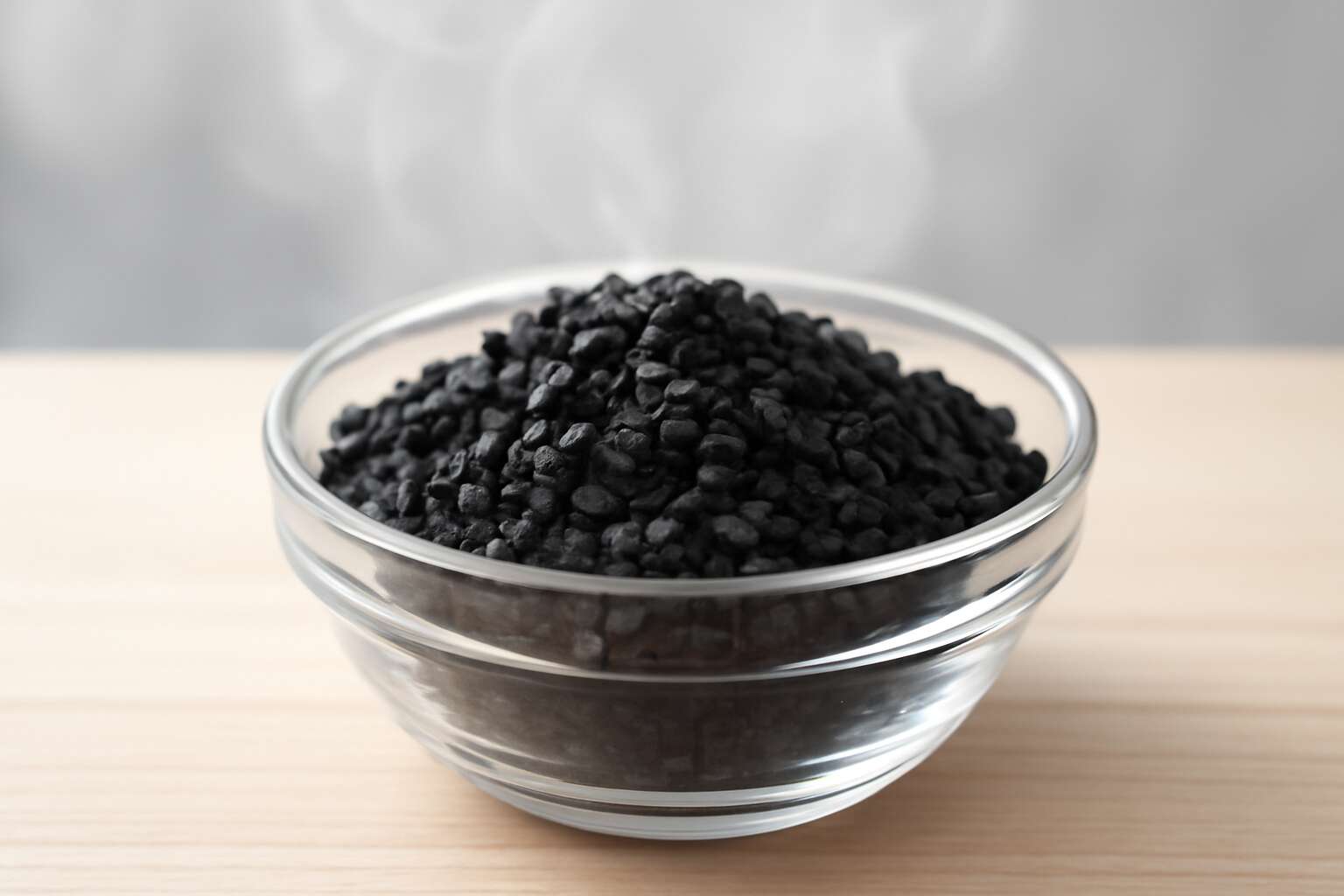
How Activated Charcoal Works for Odor Absorption
What adsorption means for odor control
Across South Africa, activated charcoal odor seems to vanish as if by magic, leaving rooms lighter and brighter. A pinch of charcoal swallows stray scents, turning a stale afternoon into a breeze of possibility. The effect feels almost alchemical, yet it’s science in disguise.
Adsorption is the secret behind this transformation. Unlike absorption, where substances sink in, adsorption means odor molecules cling to the charcoal’s enormous surface. The countless pores act like a field of molecular magnets, pulling aromas from the air and holding them in place.
- Enormous surface area with countless micro-pores
- Broad pore sizes that trap both light and stubborn scents
- Gentle attraction that refreshes air without overpowering it
Role of porosity and surface area in odor capture
Sealed rooms suddenly feel lighter when activated charcoal odor appears—it’s like a subtle magic trick you can actually believe in. In basic tests, odor reductions climb to around 70% within an hour, a nifty surprise for any tired office or home in South Africa.
That effect hinges on porosity and surface area. The charcoal’s enormous surface area provides countless micro-pores that snare odor molecules and hold them tight, so scents stay captured even when airflow shifts.
To picture the pore family:
- Micro-pores capture tiny molecules that slip through the cracks
- Mesopores trap mid-sized scents for longer hold
- Macropores welcome larger compounds and keep air moving
All told, the meshwork of porosity makes activated charcoal odor a quiet, steadfast ally in any room, delivering reliable, low-key performance that underscores why activated charcoal odor remains a go-to choice.
Factors that affect performance (humidity, airflow, temperature)
In South Africa’s busy offices, the activated charcoal odor can drop by up to 70% within an hour when a simple setup is used. The science is straightforward: a porous charcoal matrix latches onto scent molecules and holds them tight, keeping scents at bay even as air moves.
Three key levers shape performance: humidity, airflow, and temperature. Each one nudges how much odor gets trapped and how quickly it happens.
- Humidity: higher moisture competes for adsorption sites, often reducing capacity and slowing uptake.
- Airflow: steady movement carries odors to the surface, but excessive flow can whisk molecules away before binding.
- Temperature: cooler conditions generally boost adsorption efficiency, while heat can lessen it even as it speeds diffusion.
These factors collectively shape how activated charcoal odor behaves in any room, making the material a quiet but dependable ally for air quality across homes and offices in SA.
Common misconceptions about activated charcoal and odors
In bustling SA offices, odor reduction of up to 70% occurs with a simple setup—this is the realm of activated charcoal odor, where a labyrinth of pores grabs scent molecules and holds them tight, keeping spaces fresher as air streams through. The idea is simple physics in action, not a miracle trick.
- It permanently erases odors—once absorbed, smells are gone forever.
- All odors are equally easy to capture—some molecules resist adsorption.
- Charcoal neutralizes odors chemically, like a spray or deodorant.
Understanding the limits helps set expectations for any room—from busy offices to quiet study corners.
Practical Home Applications for Charcoal Odor Control
Kitchen and fridge odor management
Across South Africa, a surprising 60% of households report fridge odors at least weekly, turning a simple dinner into a reminder of last night’s leftovers. Activated charcoal odor acts as a quiet sponge, drawing away unwanted scents without perfumes or sprays. A small jar in the kitchen can stand by the fridge, letting its natural powers do the work while life carries on outside the door.
In busy South African homes, the scent of meals lingers long after the last plate is cleared. Charcoal odor keeps those memories from turning sour, quietly balancing the kitchen’s air without harsh additives. It feels like a cottage kitchen after rain—calm, earthy, hopeful.
Over time, its activated charcoal odor fades, revealing the room’s true aromas rather than masking them.
Pet areas and litter box deodorization
Pet zones should feel fresh, not a reminder of yesterday’s sniff test. In South Africa, busy households juggle pets, kids, and rugs—the result is a stubborn scent trail around litter areas and cages.
This is where activated charcoal odor steps in. It acts as a quiet sponge, pulling odor molecules from the air without perfume or sprays. We see a calmer, more natural aroma in homes that welcome pets and people alike.
Placement tends to be practical in living corridors and pet zones—noninvasive, unobtrusive concealment works best:
- Near litter boxes, tucked out of direct contact with waste
- Under crates or cages, where air tends to stagnate
- In entryways or feeding areas to catch drifting odors
Over time, this approach lets the room reveal its true aromas rather than masking them.
Laundry rooms and gym clothes odor removal
South African households wrestle with gear musk that lingers long after the wash. In fact, 62% report gym clothes retaining odor post-cycle. activated charcoal odor offers a quiet solution: a porous sponge that pulls odor molecules from air and fabric without adding fragrance. In laundry rooms, it works with routine, soaking up damp hush and restoring balance to spaces where laundry piles compete with air.
Smart placements can maximize impact while remaining unobtrusive:
- In cupboards beside hampers and laundry baskets
- Under the washing machine or dryer vent to combat stagnant air
- Near folding stations to catch drifting smells
This activated charcoal odor approach keeps homes calm and inviting.
Car interiors and travel odor solutions
Inside a South African city car, a single commute can leave behind a stubborn musk that outlives the road trip. ‘Odor is the ghost that won’t leave the car,’ a veteran cleaner notes. activated charcoal odor works quietly, a porous ally that traps scent molecules without fragrance, leaving the cabin calmer.
For car interiors and travel, these placements let activated charcoal odor do its quiet work without shouting. Consider:
- Glove box and centre console to intercept drifting fumes
- Under seats or in the boot for dispersed smells
- Near airflow vents to catch what wanders through the cabin
This approach keeps journeys crisp and the cabin inviting, with activated charcoal odor doing the heavy lifting behind the scenes.
Choosing the Right Activated Charcoal Product for Odor
Product types: powders, bags, filters, and composites
In SA homes, odors can linger like a stubborn cousin who won’t take a hint, and activated charcoal odor is the discreet champ that takes out the trash quietly. The trick is choosing a format that fits the space and the routine.
Product types to consider:
- Powders: easy to scatter for quick tangles of odor in small gaps.
- Bags: portable and maintenance-light for closets or shoes.
- Filters: ideal for ongoing ventilation in fridges, car cabins, or ventilation hoods.
- Composites: integrate with textiles or air systems for long-term control.
Match pore structure and particle size to the space, avoid dust, and consider safety in kitchen or storage areas. Using the right choice can maximize odor capture and reduce waste, keeping the dreaded activated charcoal odor at bay with less fuss.
Evaluating adsorption capacity and pore size
In South Africa’s sun-warmed homes, odors drift like shy storytellers, until a quiet champion steps in. The magic of activated charcoal odor lies in its quiet efficiency, binding molecules before they become a chorus. I look for the quiet fit, not bravado—imagine the product’s inner map, where adsorption capacity and pore structure dance in harmony to stifle the smell.
- Adsorption capacity aligns with odor strength
- Pore size distribution favors rapid capture
- Material resilience to avoid dust and debris
Let the label whisper about real-world performance, and let the story travel seamlessly from pantry to wardrobe without fuss.
Placement strategies for maximum effectiveness
Quiet power, loud results—this is how we think about odor in sun-warmed South Africa. The real shift comes when a product delivers what it promises without drama: activated charcoal odor, captured at the source, so rooms stay fresh and honest. As one expert puts it, odor control is capture, not masking.
Choosing the right product means reading the space: a compact, low-dust option for tight cupboards; a robust, filter-ready setup for larger rooms; a durable enclosure for vehicles. Look for stable performance across typical SA conditions—heat, dust, and everyday movement—without chalky residues or messy spills.
From a stand-alone sachet to a discreet panel, the best fit matches your placement needs with a long-lasting bond between material and air flow. Avoid gimmicks; seek materials that keep their form while trapping scent molecules, so the room breathes easier with every hour.
Safety considerations and handling guidelines
South Africa’s sun-warmed spaces prove odor travels fast—so capture matters more than masking. A proper activated charcoal odor solution traps scents at the source, keeping rooms fresh without drama. Choose safety, durability, and steady performance in heat and dust.
- Store sealed and dry to preserve adsorption capacity.
- Keep out of reach of children and pets.
- Avoid mixing with strong chemicals that alter the surface.
- Dispose of spent material per local guidelines.
Format matters: compact sachets for tight spaces, panels for discreet integration, or robust filters for larger rooms. In SA homes, look for units that resist chalky residues and spills while maintaining airflow—and remember: the goal is true capture, not masking.
Maintenance, replacement, and shelf life
Choosing the right activated charcoal product for odor maintenance means balancing capacity, form, and longevity. In South Africa’s sun-warmed homes, you want a solution that keeps working day after day, not one that fades after a month. Look for products designed for continuous adsorption, with clear shelf-life guidance and a proven track record against activated charcoal odor.
- Replacement cues: Saturation or odor rebound means it’s time to swap the unit or bag.
- Shelf life: Check unopened shelf life; opened units perform best within months; always follow label guidance.
- Storage and compatibility: Keep sealed and away from moisture; avoid mixing with strong cleaners that could alter the surface.
When selecting, let space dictate the form—compact sachets for tight corners, panels for discreet integration, or robust filters for larger rooms. In SA homes, choose units that resist chalky residues while maintaining airflow, because true capture beats masking every time.
DIY Techniques and Troubleshooting for Odor Control
Setting up portable charcoal absorbers at home
In a home where air fights to stay clear, 68% of South Africans report odor problems that cleaning rarely fixes. When a room clings to a scent, I reach for the simplest ally: activated charcoal odor. It feels almost supernatural, a pocket of silence amid the stifling miasma.
Setting up portable charcoal absorbers at home is less ritual than craft—positioning for cross-breeze, avoiding damp corners, letting the media breathe. Use bags or blocks that fit your space, and choose locations where air cycles most—near kitchens, laundry nooks, or pet zones. If the odor lingers after a day or two, refresh or rotate media; performance falls as pores clog, and a stale soundtrack returns to the room.
For troubleshooting, trust your nose and the feel of the air. Keep humble about humidity and temperature, and don’t bury absorbers in closed cupboards. When used correctly, portable charcoal absorbers transform the vibe of a room, turning a potential problem into a whisper of clean air.
Refreshing or reactivating spent charcoal safely
In homes where air fights to stay clear, 68% of South Africans report odor problems that cleaning rarely fixes. Activated charcoal odor is a quiet hero—until you try to reawaken it. Spent media loses its bite, and patience wears thin. Real refresh means simple, safe steps that respect the media’s limits.
Refreshment at home isn’t about reactivating the pore network with heat. Don’t attempt home reactivation; it can release fumes or ignite. Instead, follow these safe steps:
- Let media dry completely in sunlight or a warm, dry room to reduce moisture and bacteria.
- Avoid washing or soaking charcoal; water can clog pores and diminish adsorption.
- Vacuum or brush off surface dust; replace blocks or bags when they look damp or discolored.
- If odor persists, opt for professional reactivation or full media replacement rather than risky home methods.
With careful handling, you keep the space calm and the air lighter.
When odors persist: combining with other methods
When odors linger, the small, patient ally—activated charcoal odor—asks for clever company. In South Africa, 68% of households report odor problems that cleaning rarely fixes, so success hinges on gentleness and timing: boost ventilation, steer clear of aggressive cleaners, and let the media do its quiet work.
- Ventilation and air movement to dilute stubborn smells
- Media dryness and integrity, avoiding moisture that sabotages adsorption
- Professional reactivation or replacement when odors stubbornly persist
In the end, the room learns to breathe again, and the air carries a softer, simpler note.
Ventilation and preventative practices to stop odor buildup
In South Africa, 68% of households report odor problems that cleaning rarely fixes. The patient ally—activated charcoal odor—asks for gentleness and timing, not brute force. Let air move and the room breathe: enhance ventilation in living spaces and favour softer cleaners, letting the environment work with you rather than against you.
- Notice how air movement shapes perception of smells; keep paths open and avoid stagnation.
- Keep fabrics and surfaces dry; moisture undermines adsorption and invites lingering notes.
- When odors persist, rethink strategies with patience, favouring rebalancing over force to respect the charcoal-based approach.
As these rhythms settle, the room learns to breathe again, and the air carries a lighter, simpler tone.




0 Comments