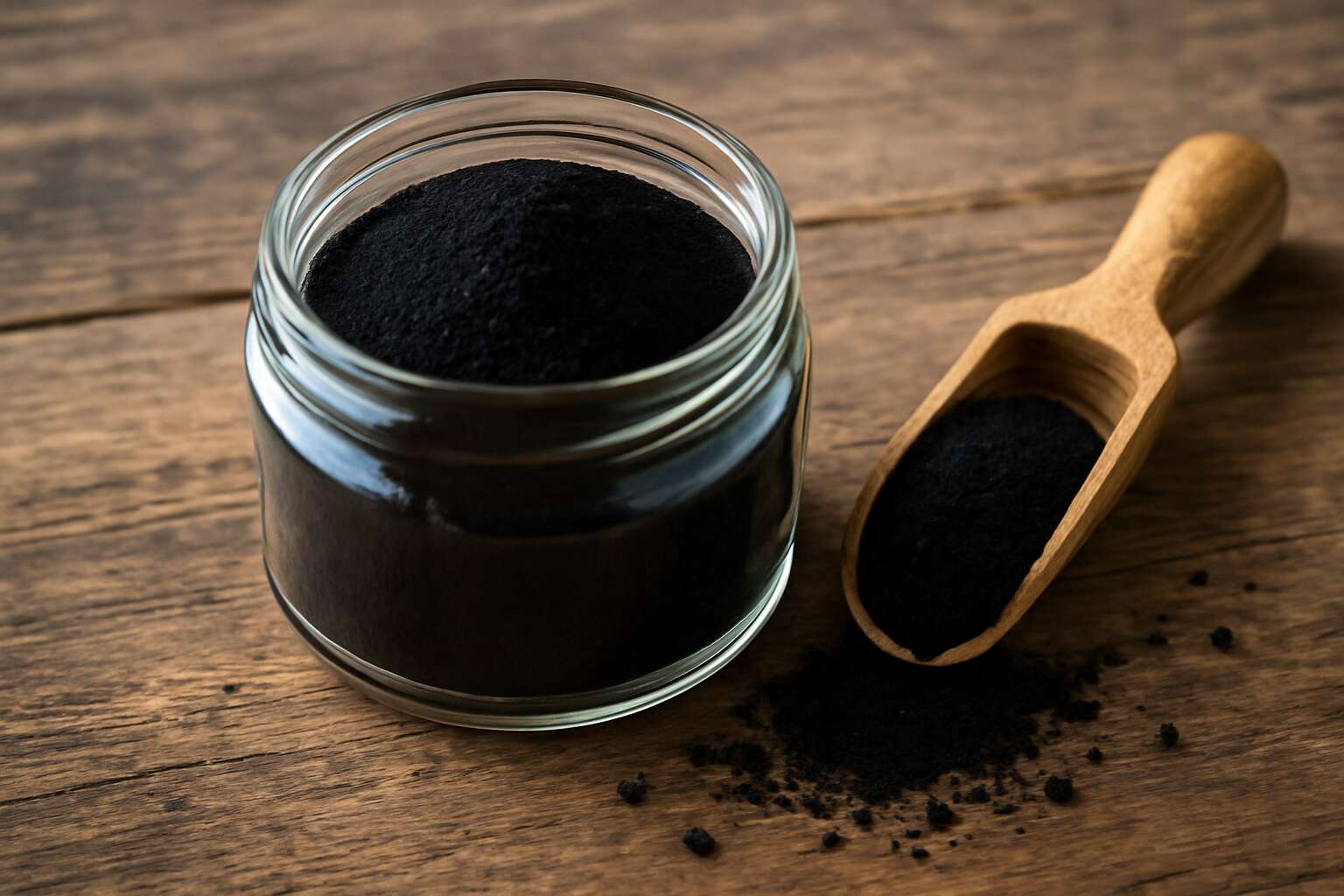
Understanding the science and basics of activated charcoal at home
What is activated charcoal and how it works at home
In the adsorption arena, activated charcoal can offer surface areas that dwarf most kitchen gadgets—think up to a thousand square metres per gram. That vast internal network explains why it traps impurities in air and liquids in South Africa’s homes with stubborn, almost polite efficiency!
At its core, activated charcoal is a porous carbon. Activation births micro-, meso-, and macropores, expanding surface area so molecules cling rather than drift away. When people talk about activated charcoal homemade, the science stays the same.
Key ideas in bite-sized form:
- Massive surface area from diverse pore sizes
- Adsorption relies on physical forces and reversible binding
- Origin matters: source materials influence purity and performance
Key differences between activated and regular charcoal
A teaspoon of activated charcoal, packed with micro- and mesopores, offers a surface area rivaling a football field—up to a thousand square metres per gram. That astonishing, almost academic scale hooks readers into the science behind everyday purifiers and what it means for homeowners in South Africa.
Activation births micro-, meso-, and macropores, expanding surface area so molecules cling rather than drift away. When we talk about activated charcoal homemade, the same physics governs its pull: adsorption is physical and reversible, and origin matters—source materials shape purity and performance.
- Pore structure: micro-, meso-, and macropores create a vast adsorption network; regular charcoal has far fewer pores.
- Purity and processing: activation boosts adsorption and reduces volatile contaminants; regular charcoal is less refined.
- Applications: activated charcoal is prized for filtration and purification; regular charcoal is common for fuel.
Safety basics for home production and handling
South African homes contend with variable tap water and air quality, and a pinch of science can tilt the balance. Understanding how porous structures trap contaminants makes the kitchen a practical lab with real-world stakes. activated charcoal homemade is more than a curiosity—it’s a tangible entry into purification for everyday life. It’s practical!
Activation builds micro-, meso-, and macropores, creating a vast adsorption network. The pull is physical and reversible; origin matters because source materials influence purity and performance. In simple terms, the more diverse the pore size, the more compounds you can catch—without chemical binding.
Safety basics for home production and handling keep the project responsible.
- Use only clean, dry, food-grade charcoal inputs
- Work in a well-ventilated area and wear a mask and gloves
- Keep powders away from children and pets; store sealed containers
With SA households in mind, simple habits protect you while you learn.
Common home uses and benefits of activated charcoal
In a South African kitchen, a quiet revolution sits on the shelf: activated charcoal homemade. It’s not just curiosity—it’s a tangible entry into purification we can see and feel. I’ve watched my neighbors pour a little into a cup or jar and suddenly the simplest water feels cleaner, the air fresher, the day a touch brighter.
Activation creates a sprawling network of micro-, meso-, and macropores, like a tiny cave system that traps more than just scent. The pull is physical and reversible, and where the charcoal comes from matters—the source shapes purity and performance. The more varied the pore sizes, the more compounds you can catch without chemical bonding.
Common home uses and benefits include:
- Simple water filtration in pitchers or bottles
- Fridge and bin odor control
- Gentle skincare applications and masks
For households across SA, these everyday benefits turn a pantry staple into a practical tool.
Myths and facts about activated charcoal homemade
Across South Africa, activated charcoal homemade rests on kitchen shelves like a curious black star—”small pores, big power,” a chemist once told me. The basics aren’t magic but how surfaces attract and hold substances when air and water meet a porous web of carbon. The idea is simple: more contact equals more catching power, but results vary with what you’re trying to purify and how you use it.
- Myth: It detoxes or cures all ills instantly; Fact: outcomes depend on context and exposure.
- Myth: All charcoal is the same; Fact: the activation method and source shape its performance.
- Myth: Ingesting it is safe in any amount; Fact: it can interfere with medicines and nutrients and should be used cautiously.
Understanding the science helps align expectations with everyday use and keeps the conversation grounded in daily life!
Materials, sourcing, and sustainability for DIY activated charcoal
Choosing biomass and feedstock for activated charcoal homemade
In South Africa, choosing the right biomass is the first, most consequential move in any activated charcoal homemade project. ‘Waste is fuel in disguise,’ a line that sticks with you when you see how feedstock decides pore structure, burn efficiency, and end-of-life sustainability. When you select material thoughtfully, you’re not just refining filtration—you’re guiding a product that behaves reliably in the kitchen, garden, or workshop. It’s science with a heartbeat, and the stakes are real!
- Coconut shells
- Hardwood chips
- Sugarcane bagasse
- Fruit pits and nutshells
- Agricultural residues
To keep sustainability front and center, partner with local farmers’ collectives, waste-into-value programs, or recycling initiatives. Transport distance matters; opt for materials gathered within your region to curb emissions. And design your process to minimize energy use—think low-oxygen environments and heat recapture—so the environmental footprint stays as clean as the final product.
Sourcing responsibly and safely
Across South Africa, valuable biomass scraps often vanish into landfills, a squandered energy that could be repurposed into reliable activated charcoal homemade. Choosing feedstock thoughtfully shapes pore structure, burn behavior, and the end-of-life story—delivering filtration that performs in kitchens, gardens, and workshops alike.
Materials sourcing maps a regional sensibility: coconut shells, hardwood chips, sugarcane bagasse, fruit pits and nutshells, agricultural residues. To keep sustainability front and center, consider these pathways:
- Local biomass streams
- Waste-to-value programs
- Regional transport minimization
- Recycling initiatives
Partner with local farmers’ collectives to keep cycles tight and emissions low, letting activated charcoal homemade carry a story of responsibility as much as performance.
Material choices become a compass for quality and ethics—resilience in storage, lifecycle impact, and the story behind activated charcoal homemade.
Storage, humidity, and handling of raw materials
Across South Africa, up to a third of valuable biomass ends up wasted, a lost energy that could power activated charcoal homemade. Material choices shape not just performance but the lifecycle story—storage becomes part of the value chain. Keep raw feedstock dry and clean, with low odors, and separate bulky scraps from fine powders to prevent cross-contamination.
- Store in airtight, moisture-proof containers away from direct sun;
- Keep in a cool, ventilated area to control humidity;
- Label batches with harvest and source dates to track freshness;
- Inspect regularly for mold, pests, or musty smells and rotate stock.
Local partnerships and responsible transport reduce emissions while safeguarding material integrity. By treating storage as part of quality, organizations can maintain reliable filtration across kitchens, gardens, and workshops.
Cost considerations and budgeting for DIY projects
Materials, sourcing, and sustainability are the quiet engines behind every DIY journey in South Africa. When you consider activated charcoal homemade, you’re tracing a supply chain that values local biomass, reduces waste, and lowers transport emissions. The choice of feedstock—agricultural residues, wood by-products, or urban green waste—shapes both price and performance, while mindful handling keeps inputs clean and usable for the long haul.
- Raw material availability and price volatility in SA drive budgeting and supplier negotiations.
- Transit distances and energy costs affect the overall cost profile.
- Equipment reuse and maintenance extend lifecycle value and lower recurring spend.
When budgeting for diy projects tied to activated charcoal homemade, view spending through a lifecycle lens: upfront capex, ongoing energy use, and potential partnerships with local growers or cooperatives. Prioritise sustainable sourcing, transparency, and scalable options to balance quality with affordability as you navigate the South African market.
Ethical and environmental considerations in home production
Waste is a circular canvas—every branch, peel, and husk hints at future value. In South Africa, feedstock choices—agricultural residues, wood by-products, or urban green waste—shape price, performance, and footprint. Mindful handling keeps inputs clean and usable for the long haul, grounding the idea of activated charcoal homemade in a responsible, local supply chain.
- Local feedstock: agricultural residues, wood by-products, urban green waste
- Logistics: transit distance, seasonality, transport energy
- Costs and maintenance: reuse, lifecycle value, transparency
Budgeting for this venture is a lifecycle exercise: upfront capex, ongoing energy, and partnerships with local growers help keep the project affordable.
Transparency turns sustainability from a slogan into daily practice, guiding sourcing decisions across the South African market and ensuring the material remains ethical and high quality—activated charcoal homemade.
Step by step approach to creating activated charcoal at home
Preparing and drying biomass for activation
In South Africa’s quiet workshops, darkness yields clarity. A line from charcoal lore lingers: up to 60% of household biomass can be reclaimed for filtration—an invitation to the craft of activated charcoal homemade. I treat every scrap as a nocturnal patient, turning waste into something that breathes cleaner air.
Here is a step-by-step approach to creating activated charcoal at home:
- Prepare biomass by selecting dry, consistent feedstock and removing obvious contaminants.
- Dry thoroughly, spreading the material in a ventilated space until its moisture stabilizes.
- Activate in a controlled, oxygen-light environment to encourage pore formation, then cool and cure.
From bench to shelf, the outcome speaks of patience, humidity, and reverence for the craft.
Activation methods overview for activated charcoal homemade
Up to 60% of household biomass can be reclaimed for filtration. In South Africa’s quiet workshops, practice meets patience and breathes new life into old feedstock. The goal of activated charcoal homemade projects is cleaner air and purer water. Each scrap is treated as a patient, every batch a chance to refine porosity and purity.
- Prepare biomass by choosing dry, consistent feedstock and removing obvious contaminants.
- Dry thoroughly in a ventilated space until moisture stabilizes.
- Activate in a controlled, oxygen-light environment to encourage pore formation for activated charcoal homemade.
- Cool and cure to stabilize the structure before use.
Activation methods vary. Physical activation uses a gas or steam approach to carve porosity, while chemical activation can accelerate pore development with safer, low-impact inputs. For a reliable activated charcoal homemade supply, balance convenience with safety and environmental responsibility to keep the craft fresh and practical.
Temperature, duration, and process control tips
Step by step approach to creating activated charcoal at home is a meditation on temperature discipline, time’s patience, and a quiet, observant rhythm. In South Africa’s kitchens and small workshops, the aim is not a quick fix but a material that pores with intention, micro-porosity that cleans air and water. The journey rewards careful attention to how heat interacts with feedstock and how deliberate cooling stabilizes structure.
For the practical side, activated charcoal homemade work hinges on consistent control rather than exact numbers. Maintain a steady heat environment, minimize abrupt oxygen exposure, and allow the material to cure slowly, so the porosity remains even and robust. A simple checklist keeps the flow humane and safe:
- Temperature consistency and gradual ramping helps avoid thermal shock
- Oxygen management to encourage pore development while reducing surface oxidation
Cooling, washing, and drying the final product
Step by step, the cooling, washing, and drying of activated charcoal homemade becomes a discipline rather than a rush. In South Africa’s homes, patience yields a material with lasting porosity—gritty, resilient, and ready for real-world use. After activation, give the char a calm, ventilated rest as it moves toward stability.
- Cool gradually to ambient temperature to avoid thermal stress
- Wash gently to remove fines without stripping porosity
- Dry thoroughly in a well-ventilated space until completely dry
Maintaining control during cooling, washing, and drying ensures the final product stays robust and ready for downstream use.
Quality checks during and after activation
Step-by-step approach to creating activated charcoal at home marries intention with patience. In the quiet hum of a SA kitchen, we align heat, smoke, and time to coax porosity to life. The process rewards measured discipline.
Quality checks during and after activation are the compass:
- Consistent temperature profile throughout activation
- Porosity retention verified by gentle iodine or dye test
- Moisture below threshold before cooling
After the furnace, tactile tests and scent judgments guide the final polish of activated charcoal homemade, ensuring it stands ready for real-world applications.
Quality, safety, and storage of homemade activated charcoal
Purity and safety testing you can perform at home
Quality control in a kitchen-bound lab of charcoal isn’t glamorous, but it matters. For activated charcoal homemade, purity isn’t a boast but a safety net that improves filtration, deodorisation, and cosmetic performance. A keen eye for consistency—color, texture, and absence of contaminants—keeps your product reliable, even as the kettle hums.
- Visual and texture cues: uniform hue and size; no obvious foreign matter.
- Odor indicator: mild, earthy scent typical; chemical odors suggest impurities to discard.
- Water clearance: clear rinse shows few sediments; cloudy water hints at contaminants.
Storage and handling should be as refined as the product itself: keep in a dry, airtight container, away from moisture and direct sunlight. Label with batch and date, use food-grade packaging, and store in a cool, dark cupboard; in South Africa’s varied climates, tidy storage is discipline in motion.
Storage solutions and shelf life expectations
Quality and safety hinge on a disciplined approach to making activated charcoal homemade. Look for a uniform hue, a fine, consistent texture, and a dry, free-flowing powder; these cues ensure reliability in filtration, deodorisation, and cosmetic performance as the kettle hums in the background.
Storage solutions and shelf life expectations aren’t afterthoughts but design features. In South Africa’s varied climates, potency is best preserved by dryness, darkness, and cool temperatures, reducing degradation.
With disciplined handling, it stays resilient and reliable, ready to serve across diverse applications long after its creation.
Handling contaminants and minimizing risks
Quality hinges on cleanliness and discipline. Contaminants creep in through moisture, dirty tools, or unverified biomass. Use clean, dedicated equipment and work in a dry, dust-free space. For safety, label every batch of activated charcoal homemade and store away from chemicals and foodstuffs; consistency reduces risks!
- Store in airtight, glass or BPA-free containers to limit moisture.
- Sanitize surfaces and hands before handling to avoid cross-contamination.
- Keep away from household cleaners and strong odours.
Where storage is concerned, a cool, dry, dark place extends stability. In South Africa’s varied climate, humidity and heat accelerate degradation, so keep the jar sealed and out of direct sunlight.
Emergency precautions and waste disposal
Quality hinges on cleanliness and discipline. In South Africa’s climate, a stray drop of moisture can compromise an activated charcoal homemade batch. Use clean, dedicated tools and a dry workspace. Label every batch and store away from chemicals; consistency reduces risk.
Storage matters. Store in airtight, glass, or BPA-free containers to limit moisture and odour uptake. Sanitize surfaces and hands before handling to avoid cross-contamination. Keep away from household cleaners and strong odours.
Emergency precautions and waste disposal
- Dispose of waste according to local regulations; do not flush to sewer or drains.
- Avoid mixing charcoal with food or cleaners; store separately.
- Keep away from children and pets; use a dedicated container for discarded material.
Regulatory concerns and labeling considerations
Quality and safety hinge on cleanliness and discipline. In South Africa’s climate, a stray drop of moisture can ruin an activated charcoal homemade batch, stitching doubt into every gram. Use clean, dedicated tools and a dry workspace, and keep batches clearly labeled. Storage in airtight, glass or BPA-free containers helps limit moisture and odour uptake, while avoiding household cleaners and strong fragrances protects purity.
Regulatory concerns and labeling considerations: Local guidelines demand clear identification of batch, production date, and intended use. Labels should avoid misrepresentation and carry simple safety notes for handling and storage. Maintain simple records for traceability and ensure any claims align with evidence. In this light, transparency sustains trust in activated charcoal.




0 Comments