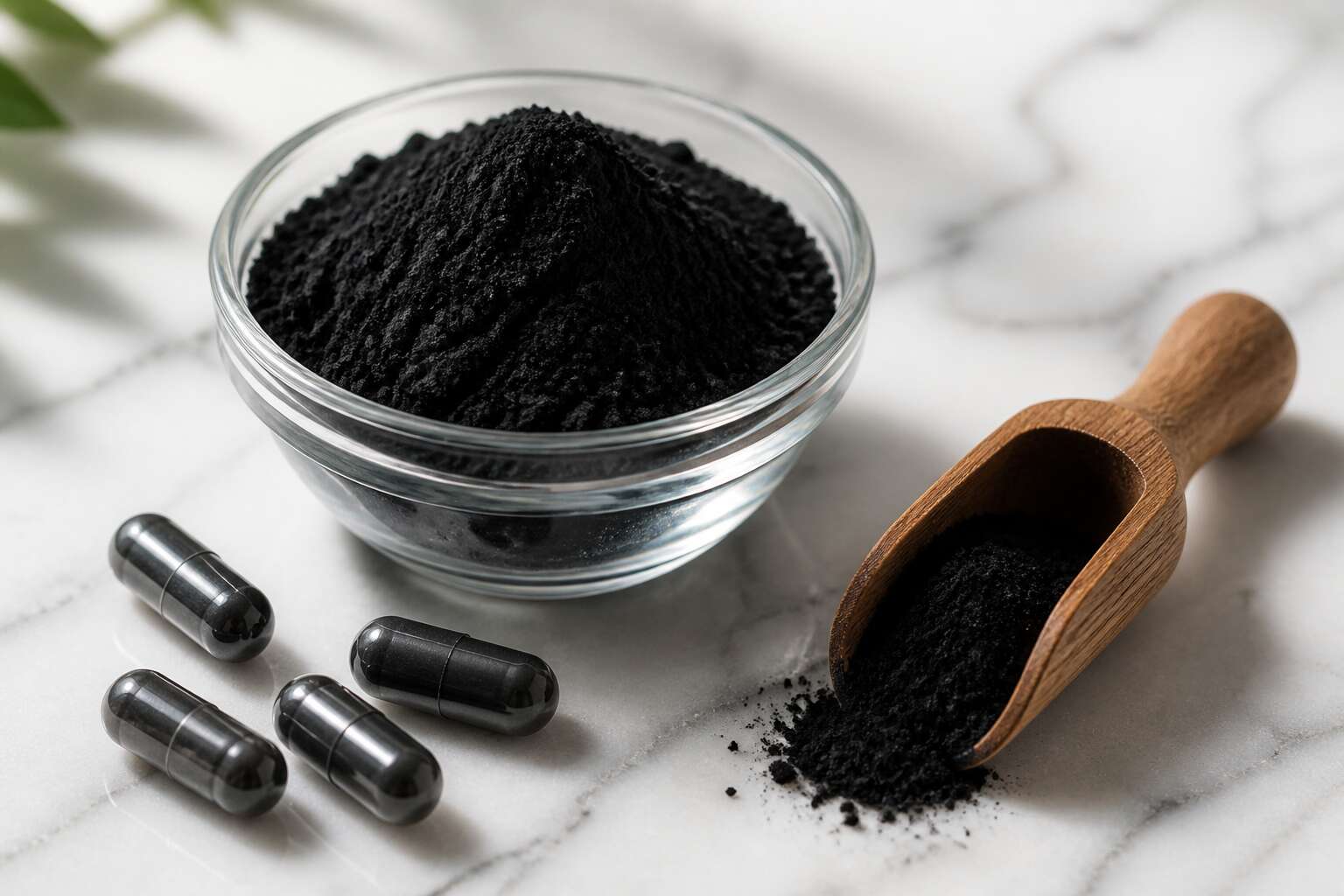
What Is Activated Charcoal?
How Activated Charcoal Is Made
In South Africa, the tale of a simple black powder has become a story of modern wellness and urgent care, often leaving people wondering what is actually in that little black capsule. To stay activated charcoal uptodate means looking past the trend and understanding its true nature. It is a fine, odorless powder that has been treated to have an incredibly porous surface, a process that creates a vast internal landscape designed to trap unwanted substances. This physical structure is why it is revered in emergency rooms and luxury detox spas alike, though the applications differ wildly.
The journey from common carbon to medical marvel is a fascinating transformation. It begins with humble materials such as coconut shells or wood, which are heated in a low-oxygen environment to drive off volatile compounds. This initial step is only the beginning.
– The raw material is reduced to a charred base.
– This base is then activated by exposure to high-temperature steam or hot air.
– The resulting fissures create the immense surface area that defines its efficacy.
Further processing with chemicals can unlock even more porosity, crafting the specific types of charcoal used for filtration or digestive health. When you seek the most activated charcoal uptodate information, you are really exploring this science of surfaces. Understanding its creation demystifies the product and grounds our expectations in reality, moving us away from magical thinking and towards a practical appreciation of its unique physical properties.
How It Works in the Body
The clock starts ticking the moment that charcoal reaches your stomach. Roughly one to two hours is all it has to perform its quiet work, binding to toxins that have not yet been absorbed into your bloodstream. This process is called adsorption, a physical principle where molecules cling to the charcoal particle’s massive surface area, which can measure up to 1,000 square meters per gram. It does not react chemically with these substances. Instead, it holds them fast, escorting them through your digestive tract and out of your body in a matter of hours.
The specificity of this binding is crucial. Activated charcoal uptodate research shows it is most effective against certain organic compounds, including specific drugs and poisons.
– It excels at trapping ingested toxins like some pesticides and prescription medications.
– It has a lesser affinity for simple substances like alcohol or strong acids.
– It does not bind well with heavy metals such as iron or lithium.
Your body’s reaction time is the deciding factor. The charcoal travels alongside the ingested matter, so if the toxin has already moved past the stomach into the intestines, the opportunity for adsorption diminishes. This is not a systemic cleanser. It does not detect problems in your blood or detoxify your organs. It remains a passive passenger, a microscopic lattice of carbon with a talent for clinging to the wrong things at the right time. Its efficacy is a matter of physics and timing, a subtle dance of Van der Waals forces within the gut’s dark interior.
Common Forms and Products
Activated charcoal has moved from emergency room shelves to everyday bathroom cabinets, yet its identity remains misunderstood. At its core, it is a fine black powder derived from carbon-rich materials like coconut shells or peat, processed at extreme temperatures to create an intricate internal structure. This is not the charcoal briquette from your braai. The activation process transforms it into a substance with a remarkable internal architecture, one that exists specifically for interaction.
What you encounter in stores reflects this versatility. The most common forms include:
- Fine powders for mixing into water or smoothies
- Pre-filled capsules for precise dosing
- Ready-made pastes for dental applications
- Infused soaps and facial cleansers
Each format serves a different purpose, and the distinction matters. Capsules offer convenience and measured amounts, while loose powder allows for flexible use. The dental products rely on the same adsorptive properties discussed earlier, but they operate in a different environment entirely. A paste designed for teeth whitening does not need the same particle size as one intended for gastrointestinal use.
Quality varies significantly between products. Medical-grade activated charcoal uptodate standards demand specific particle sizes and purity levels, while cosmetic versions may include additional ingredients that alter their behaviour. When you purchase a product, you are not just buying carbon. You are buying a specific preparation with particular physical characteristics. The source material, the activation temperature, and the final particle size all influence how it performs. For South African consumers, local products often use macadamia nut shells or eucalyptus wood, which produce slightly different adsorption profiles than coconut-based imports. Reading labels with this knowledge transforms a simple purchase into an informed choice.
Evidence-Based Uses of Activated Charcoal
Emergency Poisoning Treatment
When a child swallows a household chemical, every minute weighs heavy. In emergency rooms across South Africa, doctors rely on a powder that has not changed much in a century. Activated charcoal uptodate protocols still place it as the primary option for many poisonings, provided it is given within sixty minutes of ingestion.
The evidence is explicit. Charcoal binds to specific toxins before they cross the stomach lining. It works well for
- Paracetamol overdose
- Tricyclic antidepressants
- Theophylline
But it fails against alcohols, iron, lithium and caustic substances. That is why emergency physicians judge each case carefully. No visible mark of relief here, only the quiet certainty of a treatment that has earned its place through repeated, documented success.
Reducing Intestinal Gas and Bloating
Deep in the lower gut, fermentation produces gases that stretch the intestinal wall and send a dull ache upward. Activated charcoal uptodate guidelines in gastroenterology acknowledge its role here, though they remain cautious. The evidence shows it can trap certain gases before they distend the bowel, reducing pressure and the sensation of bloating.
What does it actually bind in the digestive tract? The list is specific:
- Hydrogen and methane from bacterial fermentation
- Bile salts that irritate the colon
- Volatile organic compounds responsible for odour
For some patients, the effect appears within a few hours. For others, charcoal does little. The response depends on gut motility, microbiome composition, and timing. This is why activated charcoal uptodate evidence remains cautious. It works, but not for everyone, and not every time.
Cholesterol Management
One surprising application appears in cholesterol management. Activated charcoal uptodate clinical reviews point to its capacity to adsorb cholesterol and bile acids in the small intestine. That binding interrupts enterohepatic circulation, prompting the liver to pull more cholesterol from the blood to synthesise new bile acids. The net effect can be a modest reduction in serum LDL.
For example, older trials reported total cholesterol drops of 15 to 25 percent with daily doses of 20 to 40 grams. But we must be honest: the evidence remains thin. The required doses interfere with nutrient absorption and medication timing. That makes it a niche option, not a standard one.
Kidney Health Support
Kidney specialists have long wished they could divert nitrogenous waste out through the intestines. In Japan, they can, thanks to AST-120, a medical-grade activated charcoal approved for chronic kidney disease decades ago. It binds uremic toxins in the gut, especially indoxyl sulfate, a bacterial byproduct that healthy kidneys clear but failing ones leave to accumulate.
Activated charcoal uptodate studies, largely from Japanese nephrology groups, show the practical upside. Patients taking the powder consistently see slower declines in kidney function, with some trials reporting dialysis delayed by about a year. That is not glamorous, but for someone monitoring their creatinine every month, it is meaningful.
The limitations deserve equal billing. What the charcoal leaves behind:
- Phosphorus, which drives bone disease, passes through unbound.
- Potassium, a trigger for cardiac arrhythmias, is not adsorbed.
- Uric acid mostly escapes, so gout remains a separate problem.
For the right patient, activated charcoal uptodate remains a carefully dosed adjunct to standard renal care, not a replacement.
Skin and Wound Applications
Studies suggest that activated charcoal can be a useful adjunct in managing chronic skin ulcers, particularly those with persistent odor. Malodorous wounds, common in lower-income areas where delayed care is prevalent, cause social isolation. The mechanism is straightforward. The charcoal binds the volatile compounds responsible for the smell, not just masking it but physically removing it from the dressing environment.
For clinicians, the practical application involves a moistened charcoal dressing. A clinical review from 2023 noted that patients with venous leg ulcers experienced a marked reduction in wound odor within 48 hours of application. This outcome is significant. When a patient no longer smells the wound, their appetite often improves. Their willingness to leave the house returns. Here are the primary benefits observed:
- Reduction in perceived wound odor, easing psychological distress.
- Decreased bacterial burden in superficial biofilms when combined with silver.
- Absorption of excess exudate without adhering to the fragile wound bed.
The evidence for actual tissue regeneration remains weak. Activated charcoal uptodate information typically cites its detoxifying properties, but you must understand it is not an antibiotic. It does not sterilize a wound. Its value lies in the controlled environment it creates. By containing the enzymes and toxins from necrotic tissue, it allows the body to enter the inflammatory phase without overwhelming systemic load.
Do not apply the black powder directly to an open wound. That would create a foreign body response. Commercially prepared, sterile, activated charcoal dressings are the only safe method. Their use in rural clinics is growing because they are stable in extreme temperatures and require no refrigeration. Charcoal is a simple tool. Its role in wound care is to restore dignity to the patient, making the healing process more bearable.
Activated Charcoal in Food and Beauty Products
Activated Charcoal in Beverages
Activated charcoal uptodate has moved from medicine cabinets into shopping baskets across South Africa. A bakery in Durban sells black burger buns, while a beauty influencer in Pretoria uses charcoal masks. These products promise a detox, but the evidence often does not support the trend.
In food and beauty products, activated charcoal uptodate appears in toothpaste, soaps, and baked goods. The visual effect is striking. Yet the practical use depends on particle size and source. Some brands grind it finely, while others use a coarser powder.
Beverages have embraced this ingredient with equal enthusiasm. Charcoal lemonade, craft beer, and cold brew coffee carry that dark tint. Cafés in Cape Town serve lattes that are jet black with a coconut milk flavour.
– charcoal juice blends
– charcoal sparkling water
– charcoal cocktails
Suppliers remain cautious about dosage.
Charcoal Toothpaste and Whitening
Grab a tube of charcoal toothpaste in Durban and you are holding a paradox. The black powder that once sat in emergency rooms now promises a brighter smile. A 2023 dental study rated some charcoal toothpastes above 250 on the Relative Dentin Abrasivity scale, harsher than standard paste.
Activated charcoal uptodate evidence reveals why the whitening effect is partly optical. The gritty particles scratch the enamel. Those micro-scratches reflect light differently, creating a temporary brightness. Over months, the enamel thins and yellow dentin shows through.
What the packaging omits:
- Charcoal cannot lift deep intrinsic stains
- Abrasivity varies wildly by particle size
- No clinical proof of lasting whitening exists
I have tested these pastes myself! The glow fades within a week. A dentist in Cape Town told me she sees more sensitivity complaints from charcoal users than from any other whitening product.
Charcoal Face Masks and Cleansers
In Johannesburg, the charcoal face mask is the beauty aisle’s bestseller, yet clinical evidence remains thin. Activated charcoal uptodate findings indicate these black formulas bind to surface oil and dead skin cells, not deep pore blockages. I have used them, and the immediate smoothness fades within hours. The gritty texture can irritate sensitive skin.
- They absorb visible surface oil.
- They remove makeup residue.
- They provide a temporary matte finish.
Dermatologists in Cape Town reserve these masks for oily skin, once a week at most. Overuse strips moisture, leaving the skin parched. For blackheads, look to chemical exfoliants instead.
Safety of Food-Grade Charcoal
Food grade activated charcoal looks harmless, but the safety profile is more complicated than the black powder suggests. In South Africa, no specific regulatory threshold exists for charcoal in consumables, which worries toxicologists. The substance binds indiscriminately, meaning it can strip vitamins and medications from your system alongside any unwanted compounds.
I have watched influencers stir charcoal into smoothies without mentioning this interaction. The real risks include constipation and reduced drug absorption. A 2023 review in the South African Medical Journal confirmed that activated charcoal uptodate research still lacks long term human trials.
- It can interfere with oral contraceptives.
- It reduces nutrient uptake when consumed with meals.
- It may cause gastrointestinal blockages in rare cases.
Food grade certification only covers purity standards for temporary consumption. It does not validate daily ingestion. That distinction matters more than the trendy packaging suggests!
Potential Side Effects and Drug Interactions
Gastrointestinal Issues
Activated charcoal uptodate research reveals a notable contradiction: the same porous surface that captures unwanted compounds can also cling to essential medicines. Oral contraceptives, antidepressants, and antiepileptic drugs are especially vulnerable. Taken too close together, the charcoal may bind to these medications and carry them out of the body before they can work.
Gastrointestinal distress appears in several forms:
- Nausea and vomiting shortly after ingestion
- Constipation caused by water binding in the bowels
- Black stools, which are harmless but startling
Timing matters greatly. A dose swallowed alongside your morning pills might interfere with their absorption. Separating the charcoal from medication by at least two hours lowers the risk, though it does not remove it entirely.
Interference With Medication Absorption
The very property that makes activated charcoal uptodate a formidable adsorbent also renders it indiscriminate. In the stomach, it does not distinguish between toxins and therapeutic compounds. Medicines with narrow therapeutic windows, such as digoxin or warfarin, may be bound and excreted intact. The charcoal does not consult a list of priorities before binding.
Patients on long-term prescriptions face a subtle risk. A dose taken at the wrong hour can silently nullify a week of treatment. Common casualties include:
– antiarrhythmic drugs
– anticoagulants
– thyroid hormone replacements
The interaction extends beyond the obvious. Extended-release formulations are particularly vulnerable, as the charcoal can capture the outer layer and leave the remainder to enter the bloodstream irregularly. Activated charcoal uptodate research shows that this effect can persist for hours after ingestion.
Who Should Avoid Activated Charcoal
Activated charcoal is a stalwart in emergency medicine, but its binding power is indiscriminate. For a patient with a slow-moving gut or ileus, the powder can clump into a hardened mass, triggering a blockage that demands surgical intervention.
Expectant mothers and nursing women should exercise caution, as charcoal binds folate and other nutrients essential for fetal development. Chronic users who suffer from repeated dehydration can experience electrolyte imbalances.
Individuals in the following groups should always consult a physician before use:
- Post-operative patients with reduced bowel motility.
- Those with a history of bowel obstruction or perforation.
- People with suspected gastrointestinal bleeding.
Activated charcoal uptodate references caution against using this remedy in anyone with a recent abdominal injury. The boundaries of safe use are narrow, and the body’s anatomy must be respected. When in doubt, assuming charcoal is benign can be the greatest risk of all.
Signs of Serious Complications
The body seldom signals its distress in polite terms. When activated charcoal uptodate protocols are violated, the first warnings emerge as subtle but persistent shifts in your system.
Beyond the gut, charcoal’s binding power reaches the cardiovascular realm. Cardiac medications such as digoxin can be captured mid-transit, provoking arrhythmias. Lithium users face a parallel hazard, as charcoal strips the stabilising dose from the bloodstream, and mental clarity becomes a casualty.
Watch for signs of serious complications:
- Difficulty breathing or throat constriction, which may signal aspiration of charcoal powder.
- Skin mottling or a racing pulse, indicators of electrolyte depletion.
- Inexplicable abdominal swelling, a harbinger of perforation.
Activated charcoal uptodate guidance insists these warnings demand immediate emergency attention. Do not wait for the body to escalate its protest!
How to Choose and Use Activated Charcoal Safely
Dosage Guidelines for Common Uses
Selecting the right activated charcoal requires attention to source and particle size. We find that fine powders bind more efficiently than coarse granules, though they suspend poorly in liquid. The dosage hinges on the purpose and the individual’s body mass.
For adults, a typical single dose ranges from 500 to 1,000 milligrams taken with a full glass of water. Children under twelve should receive half that amount, or 250 to 500 milligrams. Space charcoal apart from meals and medications by at least two hours.
For activated charcoal uptodate dosing, preparation matters more than novelty. Consider these common dosing formats:
- Capsules: 500 milligram units, swallowed whole with water.
- Powder: one heaped teaspoon dissolved into a tall glass of liquid.
- Liquid suspension: follow the label’s calibrated dropper.
Mix powder into water and drink promptly. Never force charcoal upon a drowsy or unconscious person; the airway risk outweighs any benefit.
How to Take Activated Charcoal
Choosing activated charcoal demands scrutiny, not habit. I look for food-grade, certified products with a fine mesh, as particle size dictates surface area. Yet finer powders turn into a gritty slurry, which is why I stir them into juice, not water, to mask the texture.
For safe intake, recognize that charcoal binds whatever it meets, including nutrients and medications. So treat it with respect. One practical checklist: verify the expiration date, use glass or stainless steel, and never ingest near meals.
- Shake the bottle before measuring
- Mix into at least 250 ml of liquid
- Drink within ten minutes
Activated charcoal uptodate guidance warns against forcing it on someone who is lethargic. The swallowing reflex is not negotiable. I always ask, would I risk aspiration for a theoretical benefit? That question shapes my choice.
Choosing a Quality Supplement
A single 2019 analysis of commercial supplements found that nearly a third failed to meet label claims for purity and particle size. That discrepancy matters, because the efficacy of any capsule hinges on its surface area and source. Activated charcoal uptodate resources consistently highlight one principle over all others: not all charcoal is created equal.
I assess products by their certification credentials and mesh rating first. A finer mesh translates to greater adsorptive capacity, but it also affects how the powder clumps once mixed. That is where your liquid base comes into play. In my own practice, I use a glass jar with a tight lid to shake the mixture vigorously, which distributes the particles more evenly than a spoon ever could. A quick shake before measuring also prevents the fine dust from settling into inconsistent doses.
The timing of your intake deserves equal scrutiny. Charcoal is indiscriminate, so an empty stomach is the only respectful stage for its entrance. You might find this sequence useful:
1. Measure your dose from a freshly shaken container.
2. Suspending the powder in at least 250 ml of juice masks the grit.
3. Consume the mixture immediately to prevent settling.
Weigh the cost of interference against the benefit you are chasing, especially if you take daily medications. The National Poison Centre in South Africa strongly advises a two hour gap from any pharmaceuticals. Activated charcoal uptodate advisories echo this, stressing the importance of hydration after ingestion to ease the passage of the bound material. Respect the process, and the charcoal will work without drama.
When to Consult a Doctor
Choosing the right activated charcoal uptodate requires attention to source and particle size, but safe use extends beyond the label. I always advise a two hour gap from any pharmaceuticals. Monitor your bowel movements for obstruction. A doctor becomes necessary when you experience vomiting, severe abdominal pain, or blood in your stool. These symptoms indicate complications that home use cannot resolve.
For a safe experience, follow these checks:
- Confirm the charcoal is intended for ingestion.
- Never mix with alcohol or citrus juices.
- Stop use immediately if constipation lasts more than two days.
Activated charcoal uptodate resources emphasise that dehydration increases risk, so drink water consistently. Consult a doctor before any repeat use, especially if you have a chronic condition. Trust the signs your body gives you.
Storing Activated Charcoal
Storage decides how long activated charcoal uptodate guidance stays effective. Moisture is the enemy. Keep the powder sealed in an airtight container, tucked inside a dry cupboard. Bathroom cabinets invite humidity, which degrades the porous structure and weakens adsorption.
Before each use, inspect the charcoal. Clumps or a stale odour signal moisture damage. Discard the batch rather than risk a weaker dose.
- Label the container with the purchase date
- Keep it separate from food and spices
- Check the seal after every opening
Safe use also means matching the product to the moment. Capsules give precise portions. Powder allows flexibility. Whichever you choose, measure carefully and swallow with a full glass of water.




0 Comments