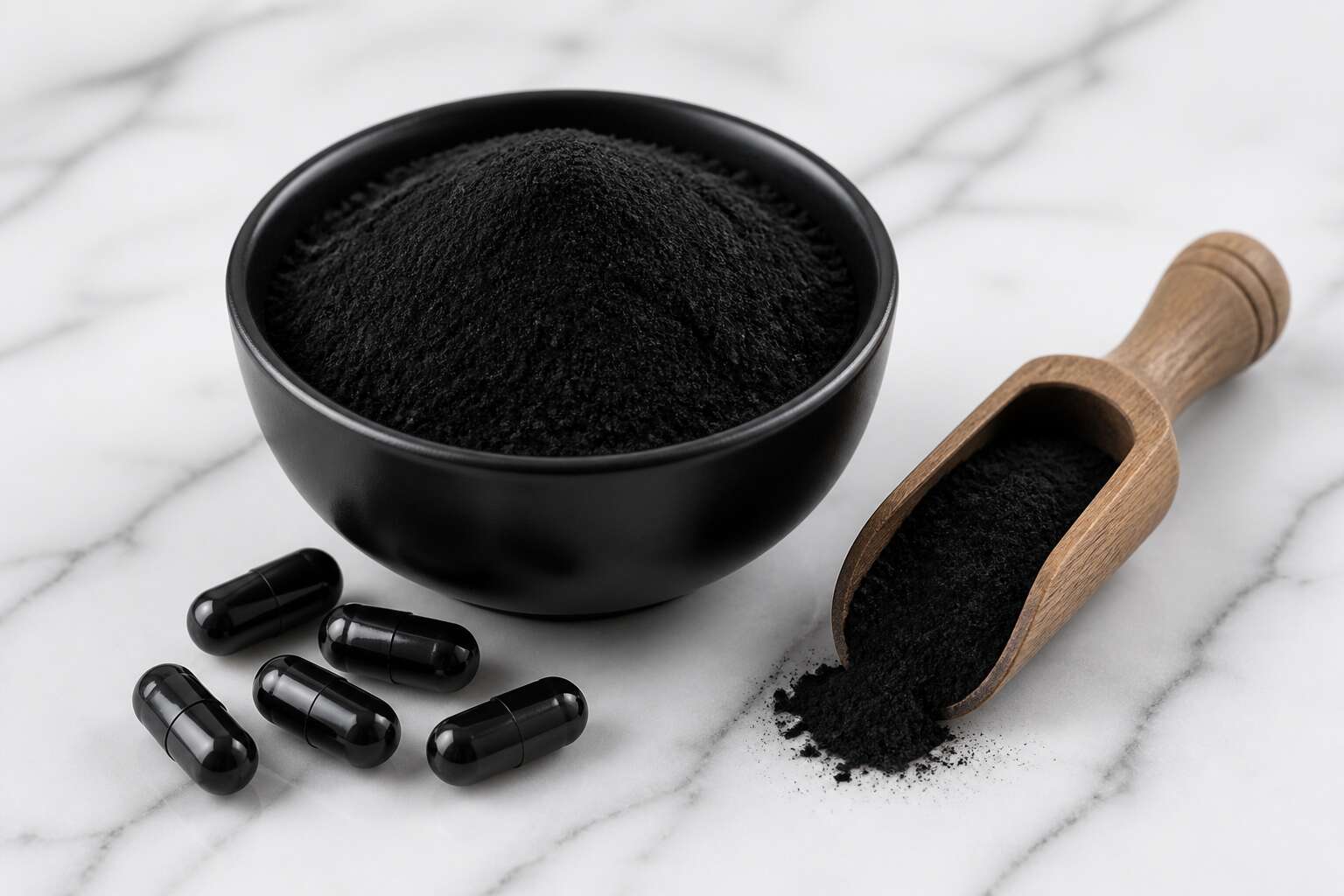
Activated Charcoal Basics: What You Need to Know
How Activated Charcoal Works in the Body
Activated charcoal is not the black lump from your burnt braai sausage. It is a fine, porous powder engineered for maximum surface area. One gram can cover over 3,000 square meters, roughly a rugby field.
Here is what happens once swallowed:
- Charcoal moves through the digestive tract.
- Toxins bind to its pores.
- The mass exits as stool.
Adsorption drives this process. Electrical attraction sticks toxins to the charcoal surface, not your gut lining. The porous structure provides binding sites. This is why knowing how to use activated charcoal quickly after exposure matters. Delays reduce the binding effect.
Timing aside, activated charcoal shows zero discrimination. It grabs poisons and vitamins alike. Therefore, your plan for how to use activated charcoal should treat it as an emergency response, not a daily habit. The effect is temporary, lasting only hours. Most households keep a bottle for emergencies.
Food-Grade vs. Supplement-Grade Charcoal
Grade is everything. The charred remains of coconut shells and hardwood can be processed for consumption, or left with additives that no one should swallow. Food-grade charcoal is tested for heavy metals, impurities, and residual chemicals. Supplement-grade charcoal may contain fillers, binders, or synthetic agents. That difference decides whether the powder works or harms.
Inspect the label. A reputable supplier states the source and the testing. When you buy blindly, you risk contaminating the very system you are trying to protect. Reading that label is the first step in understanding how to use activated charcoal correctly.
What separates the grades:
- Food-grade: derived from coconut shells, tested, safe for ingestion
- Supplement-grade: may include fillers and flow agents
- Medical-grade: finer particle size, used in hospital settings
Grade determines outcome. A contaminated powder binds nothing but trouble. How to use activated charcoal begins with verifying the source before you ever measure a dose.
Common Myths and Misconceptions
Activated charcoal is not a panacea, despite what online wellness circles promise. It works only in the digestive tract, where it grabs certain molecules before they pass into the bloodstream. The rest is folklore. A common myth says charcoal can treat ongoing gas and bloating, but that ignores its indiscriminate binding. Another says black teeth whitening is safe. It is not. Unknowing use can erode enamel.
Various myths persist:
- Charcoal neutralises all toxins.
- Charcoal is safe to take with other medicines.
- Charcoal acts instantly.
Understanding how to use activated charcoal means seeing through these falsehoods. The decision depends on respect for the powder’s physical properties, not on faith. Without that respect, you are swallowing dust and expecting a cure. The true method is cautious, informed, and never routine.
Choosing the Right Activated Charcoal Product
Activated charcoal basics begin with one simple truth: the source matters. South African shoppers face a crowded market, and not every dark capsule deserves a place in your medicine cabinet. Look for products derived from coconut shells or hardwood, as these tend to perform best. Avoid anything with added flavours or sweeteners, since those additives compete for the active sites you depend on.
When choosing the right activated charcoal product, inspect the particle size and the label. Fine powder works faster than compressed tablets, but it demands more care. Capsules conceal the mess yet delay the effect. Powder acts swiftly but requires mixing. Understanding how to use activated charcoal starts with understanding that form dictates method.
- Check for a USP or equivalent quality mark.
- Confirm the source material on the packaging.
- Ensure the product lists no unnecessary fillers.
How to use activated charcoal safely means respecting the product’s limitations. Read the label, verify the source, and let the form guide your approach.
Creating a Safe Activated Charcoal Routine
Determining the Right Dosage for Your Needs
How much charcoal is enough? The answer depends on your body weight, the product’s potency, and the reason you are taking it. A safe routine begins with the lowest effective dose. For most adults, that means 500 to 1000 milligrams per serving, taken on an empty stomach.
I always advise spacing charcoal two hours away from medications, supplements, and meals. Listen to your body’s signals; constipation is the most common side effect. Drink water regularly. If you are new to this, start with a single dose and observe a full day.
Here is a simple progression:
- Day one: 500 mg
- Day three: 500 mg twice daily
- Day five: assess effects
This gradual approach helps you determine your personal tolerance without overwhelming your system. Remember that how to use activated charcoal safely is not about pushing extremes. It is about consistency and respect for its absorptive power.
Best Times to Take Activated Charcoal
The hour you choose for charcoal can determine its effect. A predictable routine matters when you learn how to use activated charcoal. The stomach works best when empty, so early morning or late evening offer clear windows. These moments avoid conflict with meals and medicines.
- Take a morning dose, then wait sixty minutes before eating.
- Take an evening dose, keeping two hours clear from your last meal.
Pick the time that fits your daily structure. A fixed hour builds a safer rhythm than occasional use. Understanding this includes respecting these gaps. Keep charcoal separate from coffee, supplements, and prescriptions. Its absorptive power does not sort good from bad. If your digestion feels off, move the dose forward or back. The goal is a steady habit that supports your body without disruption.
Potential Side Effects and How to Minimize Them
Every dose of activated charcoal carries a small risk of side effects. Constipation and black stools are common. Nausea can appear if the powder isn’t mixed properly. To minimize these issues, follow a few practical steps.
- Drink extra water throughout the day.
- Mix the charcoal thoroughly into a full glass of liquid.
- Use a straw to reduce staining on your teeth.
Hydration softens digestion. Proper mixing reduces stomach upset. Knowing how to use activated charcoal includes respecting these precautions. A consistent routine with minimal discomfort supports your body better!
Drug Interactions and Medical Precautions
Activated charcoal does not distinguish between toxins and prescribed medication. Both bind to its porous surface, which means how to use activated charcoal safely depends heavily on timing. Take it at least two hours apart from any prescription medicine, otherwise you may reduce the drug’s effectiveness. The same applies to oral contraceptives, blood thinners, and thyroid medication. Certain medical conditions require extra caution before you even begin.
- Bowel obstruction or slowed digestion
- Recent abdominal surgery
- Pregnancy or breastfeeding
- Chronic kidney disease
Doctors generally advise against activated charcoal for anyone with these conditions. Emergency use under professional supervision is the exception, not the rule. A safe routine also means never inhaling the powder, as it can irritate sensitive airways. If you take daily medication, confirm the correct spacing interval with your pharmacist before starting. This small step protects both the medicine’s purpose and your overall health.
How to Store Activated Charcoal Properly
Creating a safe activated charcoal routine starts with storage. I keep my powder in a dark glass jar with a tight seal, tucked away from steam and sunlight. Humidity is the enemy here. It clumps the charcoal and dulls its adsorptive power.
Here is my simple checklist for proper storage:
– Use an airtight container, preferably glass
– Store in a cool, dry cupboard, away from the stove
– Label the jar with the date you opened it
– Replace the powder every six months
How to use activated charcoal safely means treating it like a precise tool. I always measure with a dry spoon, never a wet one. Moisture invites degradation. Once the jar is open, I check for clumps monthly. A smooth, fine powder signals readiness. This routine preserves the charcoal’s integrity and keeps every dose reliable.
Using Activated Charcoal for Digestive Wellness
Relieving Gas and Bloating Naturally
After a hearty serving of boerewors, your abdomen may swell and rumble with discomfort. Activated charcoal offers a straightforward response to this digestive drama.
To use activated charcoal for digestive wellness, you need to act when gas and bloating make their presence known. The fine powder binds with excess gas in the gut, which then exits quietly instead of creating an office spectacle. This approach suits occasional discomfort, not a daily habit.
A typical routine involves mixing the charcoal in a glass of water, drinking it, and then waiting for the rumbling to fade. South Africans often combine this with a gentle walk, which supports natural movement without extra effort.
Supporting Your Body During a Detox
Supporting your body during a detox requires precision. Activated charcoal can bind to certain toxins in the gut, giving the liver a lighter task. To integrate this aid, you must time your intake carefully. Take it two hours from any meal or medication.
- Measure the recommended dose on a digital scale.
- Stir it into a full glass of filtered water.
- Drink immediately to avoid settling.
Knowing how to use activated charcoal for detox support means respecting its absorptive power. Increase water intake throughout the day, since charcoal can dehydrate the system. Limit this practice to a seven day window for safety.
Activated Charcoal for Food Poisoning Emergencies
Activated charcoal for digestive wellness often gets mistaken for a daily tonic. It is not. Think of it as a targeted response, not a breakfast habit. For occasional bloating or mild gut discomfort, a single dose can help settle things down. The key is knowing how to use activated charcoal without turning your digestive tract into a vacuum cleaner.
Food poisoning emergencies require faster judgment. If you suspect contaminated food, time is critical. Activated charcoal works by adsorbing the offending bacteria before your gut sets up an inflammatory protest. Keep a supply in your home, especially after a braai.
- Take it within one hour of suspecting exposure
- Mix with a full glass of water
- Seek medical attention for severe symptoms
Resist the urge to pair charcoal with sugary drinks. It binds to what it finds, including the good stuff. Use it sparingly and with respect.
Combining Activated Charcoal with Probiotics
For digestive wellness, how to use activated charcoal requires timing and restraint. It works best when taken apart from food and supplements. Pairing it with probiotics may seem counterintuitive, but it can be effective when done correctly. Space the two by at least two hours. This allows charcoal to bind unwanted compounds first, then probiotics to settle in afterward. Consider this simple sequence:
- Take activated charcoal on an empty stomach.
- Wait two hours before consuming food or a probiotic.
- Drink plenty of water throughout.
This approach maintains each substance’s purpose without canceling the other. The key to combining activated charcoal with probiotics lies in separation, not simultaneity. For mild bloating, one dose may suffice. Always choose a high quality charcoal and a reputable probiotic.
Activated Charcoal in Your Skincare Regimen
Making a DIY Charcoal Face Mask
The skincare aisle offers endless promises, but activated charcoal keeps a loyal following. Knowing how to use activated charcoal in a face mask requires little more than a trip to the kitchen cupboard and a tolerance for mess. Mix one teaspoon of activated charcoal powder with two teaspoons of plain yoghurt and a drizzle of honey.
Apply the paste to clean skin, avoiding the delicate eye area. Allow it to dry until it tightens, then rinse with lukewarm water. The results justify the effort.
- Plain yoghurt suits normal skin, while bentonite clay serves oily complexions.
- A drop of tea tree oil changes the mask’s character for blemish-prone skin.
- Retinol users find the combination irritating and avoid it.
Your skin feels smooth. Your bathroom sink needs immediate attention!
Treating Acne and Oily Skin
They say the face is a landscape of its own, with oily skin forming its own slippery ecosystem. When acne storms the terrain, many South Africans wage war with harsh chemicals that strip away everything, leaving the surface bare and vulnerable. Activated charcoal offers a different strategy, one that does not declare war but rather performs a quiet extraction. Carbon has an affinity for the very oils that clog and inflame. When applied topically, those fine black particles act like tiny sponges, drawing out the impurities that lurk beneath the surface.
The mastery of leading a clear complexion lies in the application. A charcoal clay mask, applied evenly, will pull excess sebum from the pores without forcing the skin into a state of panic. You must allow the mask to work until it cracks, but not to the point of desert dryness. Your skin will communicate its limits. When you listen, you understand that patience is the true active ingredient. This approach works best for those with combination skin, where the T-zone produces oil enough for two faces.
For those managing persistent breakouts, the routine becomes a ritual of control.
1. Begin with lukewarm water to open the pores and prepare the canvas.
2. Apply the charcoal blend in a thin, even layer, focusing on the forehead and nose.
3. Leave it for fifteen minutes, resisting the urge to speak or smile.
4. Remove the mask with a soft, damp cloth to gently exfoliate.
5. Finish with an oil-free moisturiser to replenish the barrier.
Learning how to use activated charcoal in this way turns a chaotic skincare battle into a disciplined practice. The proof lies in the reduced shine by midday and the absence of new eruptions. It is not a cure. It is a method. A skilled intervention for those who refuse to surrender to a greasy complexion.
Activated Charcoal for Body Odor and Deodorant
Body odour emerges when sweat meets the bacteria dwelling in the skin’s folds. Activated charcoal interrupts this alliance through adsorption. When applied to the underarms, the porous carbon binds to the compounds that produce scent before they become noticeable.
The method is straightforward. Begin with dry, clean skin after bathing. Dust a fine layer of powdered charcoal across the underarms, or press a charcoal-infused deodorant bar directly against the surface. The effect lasts through the demands of a Johannesburg day.
For those who prefer precision:
1. Pat the skin dry.
2. Apply the charcoal preparation thinly.
3. Allow it to settle for a minute before dressing.
Understanding how to use activated charcoal for odour control changes the daily ritual from masking to neutralizing.
Healing Minor Wounds and Insect Bites
For minor cuts, scrapes, and insect bites, activated charcoal performs a practical role. The fine powder draws out small traces of dirt and irritants near the surface. It also helps calm the heat that follows a mosquito bite or a scratch from a thorn.
The preparation is simple. Mix food-grade charcoal with a few drops of clean water to form a dark paste. Apply the paste directly to the washed area, then cover it with a loose bandage. Leave it in place for several hours or overnight.
Here is the process for those unfamiliar with how to use activated charcoal in wound care:
1. Wash the affected area with mild soap and warm water.
2. Combine a half teaspoon of charcoal powder with water.
3. Spread the paste over the wound or bite.
4. Secure it with gauze or a plaster.
Change the dressing twice a day. Most bites and abrasions settle within a day or two. Knowing how to use activated charcoal in this manner gives you a ready remedy for summer evenings on the stoep, where mosquitoes and garden thorns are constant companions.
Activated Charcoal Bath Soaks for Relaxation
Activated charcoal’s porous surface attracts oils and tiny impurities, making it a useful addition to a weekly skincare routine. Mix a pinch of food-grade powder into your regular cleanser, then massage for a minute. Rinse thoroughly! This method works well for congested skin without causing irritation.
For a bath soak, add half a cup of charcoal to warm running water. The powder disperses and softens the water, gently pulling sweat and salts from the skin. Soak for twenty minutes, then rise off. Knowing how to use activated charcoal in this manner turns an ordinary bath into a quiet ritual.
Here is a simple order to remember:
- Draw the bath and add charcoal.
- Cleanse your face with the diluted mix.
- Soak, then finish with a plain water rinse.
Potential Skin Irritations and Patch Testing
Activated charcoal is a magnet for grime, but your complexion may not share its enthusiasm. Before committing to a full-face application, remember that how to use activated charcoal responsibly starts with a patch test. Apply a small amount of diluted charcoal paste to your inner forearm or behind your ear. Wait twenty-four hours. If redness or itching appears, your skin is sending a clear message.
Some people experience dryness or a stinging sensation, especially when using charcoal alongside active ingredients like retinol. This is not deep cleansing. It is irritation. The porous particles can abrade sensitive skin, so keep the application gentle and brief. A simple order for testing:
- Cleanse a small area and pat it dry.
- Apply the charcoal mixture and leave it for ten minutes.
- Rinse with lukewarm water and monitor for a day.
Knowing how to use activated charcoal without irritating your skin means listening to its feedback. Skip the charcoal if you have eczema or broken skin. This is a material choice, not a dare. Choose wisely.
Activated Charcoal for a Brighter Smile
How to Brush Your Teeth with Activated Charcoal
Some say the quest for a whiter smile has people turning back to the very element that built their ancestors’ campfires. Charcoal, in its activated form, has found a peculiar place in modern oral care. It is a delicate process, and knowing exactly how to use activated charcoal for your teeth requires a gentle hand and a measure of patience. The powder is abrasive, yes, but its magic lies in its porous structure, which binds to surface stains caused by coffee and red wine.
To begin, apply the fine black dust to a soft-bristled toothbrush. A water-dampened brush will help the powder adhere. Dip the brush into the charcoal, allowing a thin coating to settle as you would with toothpaste. Then, brush your teeth in small, circular motions for no more than two minutes. Focus on the front surfaces where stains are most visible. It is not a miracle cure for deep discolouration, but it is a way to gently lift the day’s residue.
Here is a practical sequence to follow for the best results:
1. Wet your toothbrush and shake off the excess water so it is merely damp.
2. Dip the bristles into the charcoal powder, tapping to remove any loose excess.
3. Brush your entire mouth in gentle circles, paying attention to the gum line without scrubbing hard.
4. Spit out the grey mixture and rinse your mouth thoroughly with clean water.
Remember that charcoal is not a substitute for fluoride toothpaste. It lacks the enamel-strengthening properties that your teeth require daily. The gritty nature of the powder means it should never be used with aggressive force, as the enamel is the only shield your nerves have. Over-zealous brushing could lead to a thinner, more sensitive surface, which defeats the purpose of a healthy smile. I have seen patients who treat this as a weekly ritual, but once a month is often plenty to maintain a noticeable brightness without courting damage. After each session, a final rinse with water will remove the last traces of the dark film, leaving you with a cleaner, reflective surface.
DIY Charcoal Toothpaste Recipes
Your kitchen pantry holds a secret that defies the glossy dental aisle. Activated charcoal powder, when paired with simple staples, transforms into a toothpaste that costs pennies. The real question is how to use activated charcoal without turning your bathroom into a crime scene.
Start with this base recipe: two tablespoons of softened coconut oil, one tablespoon of food-grade activated charcoal, and five drops of peppermint oil. Beat them into a uniform paste. Some people add a small amount of bentonite clay for extra detoxification, but that is optional.
To keep the mixture stable, follow this order:
- Melt the coconut oil gently if it is too solid.
- Stir in the charcoal powder slowly to avoid clouds of black dust.
- Add the peppermint oil last, then transfer to a glass container.
That tiny jar sits on your shelf for up to ten days. Each morning, scoop out a pea sized amount and brush as normal. This recipe respects your enamel, but only if you remember that how to use activated charcoal means gentle circular motions, never frantic scrubbing. How to use activated charcoal effectively also depends on rinsing your mouth thoroughly afterwards, allowing the paste to lift stains without lingering residue.
Whitening Results: What to Expect
Whitening results arrive quietly, not with a fanfare. After three or four gentle brushings, the surface film that dulls your smile begins to loosen. What you notice first is texture. Teeth feel cleaner, smoother. The visual shift follows more slowly.
No two mouths respond identically. Stains from coffee, rooibos, and red wine fade within two weeks. Tetracycline discolouration or age related yellowing may resist charcoal entirely.
How to use activated charcoal determines the outcome:
- Brief sessions lift surface stains. Long sessions invite sensitivity.
- Twice weekly use shows progress. Daily use risks abrasion.
- Light pressure polishes enamel. Heavy pressure scratches it.
The honest expectation is subtle brightness, not a bleaching effect. Charcoal polishes away the debris of daily life; it cannot rewrite the enamel’s deeper history.
Dental Safety and Enamel Considerations
Enamel does not regenerate. Once lost, it stays lost. This makes the method for how to use activated charcoal more important than the product itself. Charcoal is an abrasive. Abrasives remove material. The distinction rests on whether that material is stain or enamel.
Dentists measure abrasiveness with relative dentin abrasivity, or RDA. Activated charcoal powders generally score higher than standard toothpaste. Pressure and duration compound the effect. Two minutes of gentle circular motion clears surface stains. Ten minutes of vigorous scrubbing removes enamel.
- Use a soft bristle brush
- Keep the charcoal moist during brushing
- Rinse thoroughly and check for trapped particles
Gritty gums or heightened sensitivity signal technique problems. How to use activated charcoal correctly requires treating it as a polish rather than a scrub. The enamel preserved today still exists tomorrow.




0 Comments