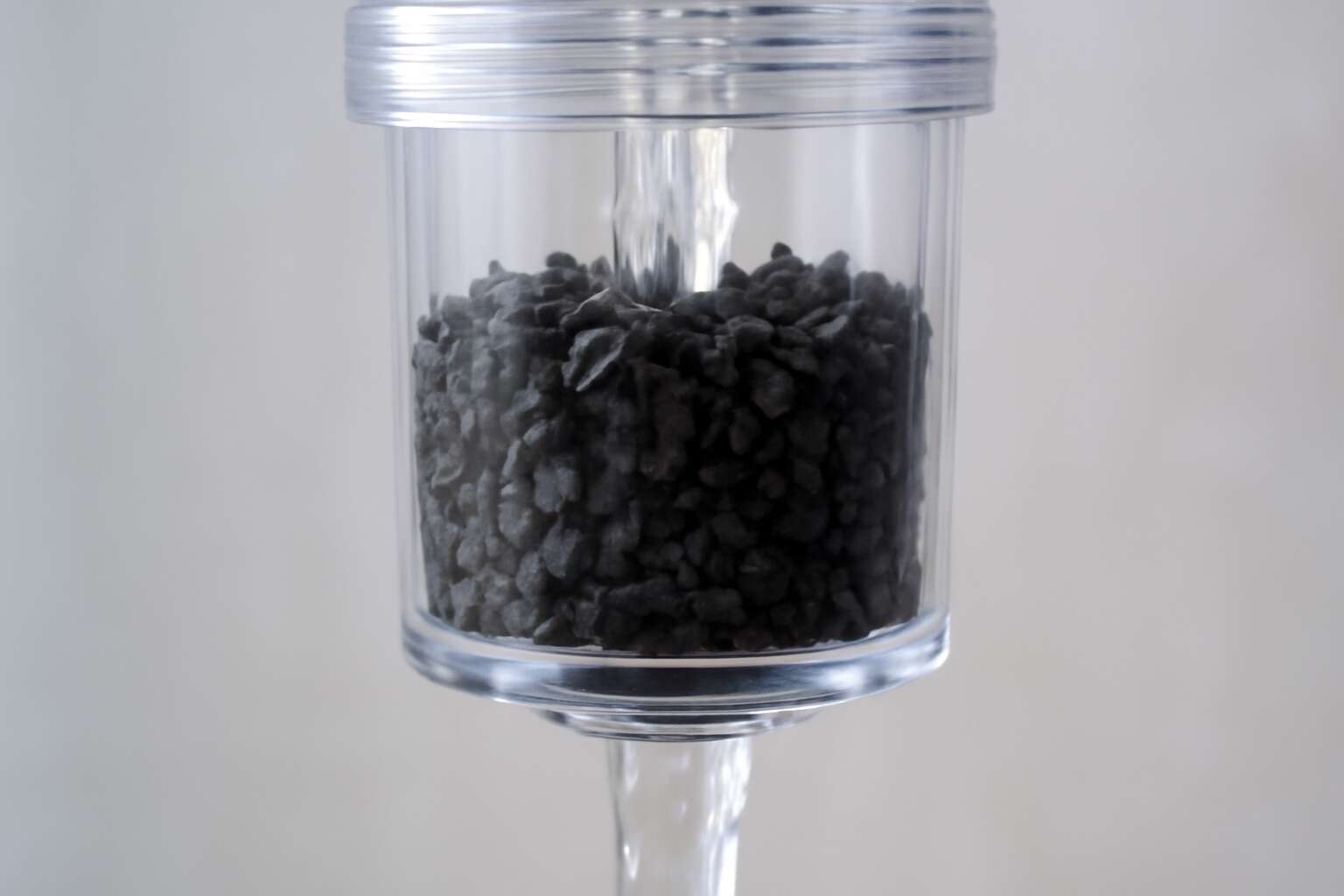
Fundamentals of Activated Carbon Filtration
What is activated carbon and how it works in filtration
Water has a personality, and in South Africa it often wears a chlorine aftertaste. The activated charcoal filter is a discreet virtuoso—clean, efficient, and economical. In modern setups, these filters can cut chlorine taste and odor by significant margins, with figures suggesting up to 99% removal in well-designed systems. The result is more agreeable drinking water, a trait any household can celebrate without fanfare.
Activated carbon is highly porous, offering a vast surface area for adsorption. As water threads through the bed, impurities cling to the carbon, leaving fewer guests in your glass. It’s a quiet science—surface chemistry meeting daily life. Here’s how it tends to behave in practice:
- Removes chlorine and chlorinated byproducts
- Sequesters many organic compounds and some pesticides
- Requires periodic cartridge replacement for sustained performance
All told, the activated charcoal filter provides a practical, elegant filtration solution for homes and offices, blending unobtrusive design with robust purification.
Key properties that affect performance
Chlorine taste greets many South Africans at the kitchen tap, yet the truth is brighter: up to 99% of volatile organics can be tamed by a well-designed activated charcoal filter. That quiet surge of clarity begins with fundamentals.
Fundamentally, performance rests on surface area and pore architecture. A larger surface area equals more clingy real estate for impurities. Pore size distribution matters: micropores grab tiny molecules, mesopores fast-track larger organics, and the right balance sustains water throughflow.
- High surface area and well-tuned pore structure
- Adsorption kinetics and contact time
- Material stability and regeneration potential
- Resistance to fouling and leaching
In practice, these properties translate into consistent chlorine removal, better taste, and longer cartridge life, all embedded in an unobtrusive design. The activated charcoal filter earns its quiet laurels in homes and offices alike.
Common sources of activated carbon and their implications
Water has a memory, and in South African kitchens that memory is rewritten by an activated charcoal filter. A recent survey shows 80% of households notice crisper taste after filtration, a quiet triumph that honors every glass and pot still glistening with possibility.
- Coconut shell charcoal: high porosity and fast adsorption.
- Bituminous coal-based charcoal: dense structure, durable performance.
- Wood-based charcoal: balanced adsorption with gentler aroma impact.
- Peat or agricultural residues: sustainable, varied pore architectures.
These sources shape pore size distribution and surface area, guiding what the activated charcoal filter can capture and how long a cartridge stays efficient.
In practice, that means a balance between throughflow and removal—a quiet harmony the kitchen recognizes in every glass.
Mechanisms of Filtration with Activated Charcoal
Adsorption vs. absorption: core concepts
Filtration magic happens on the surface. An activated charcoal filter is a maze of micro-pores where molecules prefer to hitch a ride on the exterior—the adsorption process. The chemistry here rewards large surface area and the right pore sizes, which is why fine-tuned activated charcoal filters perform so well at removing odors and chemicals—handy for South African taps and well-water quirks.
Adsorption vs absorption: adsorption is adhesion to the carbon surface; absorption is penetration into the material.
- Adsorption captures volatile compounds at the surface (chlorines, VOCs, pesticides).
- Absorption would involve contaminants moving into the carbon matrix, which is less common in these filters.
In short, the mechanism explains performance: surface action matters more than bulk soaking, guiding how we design and specify filters, including the activated charcoal filter.
Pore structure and surface area explained
In filtration, surface area is king. A gram of activated charcoal offers hundreds of square metres of exposed surface—enough to trap a flood of odors and chemicals. This is why the activated charcoal filter shines in South Africa’s taps and well-water quirks.
Mechanically, the magic happens at the surface. The pore labyrinth isn’t a static sponge; it’s a dynamic maze where molecules hitch a ride on the exterior via adsorption. Micro- and mesopores tailor access, so the right sizes seize chlorine, solvents, and pesticides before they ever reach your glass.
- Micropores trap small, volatile molecules close to the surface.
- Mesopores provide pathways for bigger compounds to reach adsorption sites.
- High surface area accelerates adsorption capacity and works under varying flow rates.
In practice, this surface action informs how we talk about filter design and specification—highlighting why surface area and pore tuning matter in any activated charcoal filter.
Role of pore size distribution in trap efficiency
Filtration with an activated charcoal filter is a patient duel between molecules and surface. The secret weapon—pore size distribution—acts as a maestro, guiding which compounds linger and which depart. In South Africa’s taps, tiny pockets trap the smallest guests, while broader corridors invite larger organics, all before they reach your glass.
On the surface, adsorption writes the plot. Molecules cling to walls via gentle forces, staying with little energy as water keeps moving. This balance between trap and flow explains why pore tuning matters: too tight, and you miss the bigger guests; too loose, and you leak odors. This is the essence of the activated charcoal filter.
- Fine pockets concentrate small molecules near the boundary for rapid adsorption
- Wider channels let mid-sized compounds reach active sites without clogging
- The flow rate ensures contact time aligns with access to the traps
Regeneration and longevity considerations
Across South Africa, 60% of households report a noticeable taste improvement after installing a filtration system. The moment is simple: a clean glass starts with a decision at the carbon surface. The activated charcoal filter works by adsorbing taste and odor molecules—then it must regenerate to stay effective. The secret is pore tuning and surface chemistry that keeps the right molecules captive while letting water move on!
The way the system restores capacity follows a few paths:
- Thermal regeneration reactivates adsorption sites by heating to desorb trapped molecules.
- Chemical regeneration uses solvents to refresh the surface.
- Longevity hinges on loading, contact time, and pre-treatment that slow saturation.
Regeneration cycles extend life but can’t outrun saturation. As loading increases, breakthrough comes sooner and the pore network tells its story through pressure and flow.
Applications and Use Cases
Household water purification systems and filters
Across South Africa, households crave water that tastes clean and clear. An activated charcoal filter works quietly, drawing out chlorine, odors, and a spectrum of organic compounds to reveal a more refreshing sip!
Typical home applications blend seamlessly into daily life:
- Under-sink filters for drinking water
- Countertop pitchers and portable systems
- Pre-treatment before appliances to protect taste and freshness
Placed as a stage within household purification systems, this media complements other filtration media, preserving flavor, extending appliance life, and inviting healthier sips with every pour.
Air purification and odor control
Air that feels fresher in South Africa’s homes isn’t a luxury—it’s a practical choice. In urban living, odors from cooking, smoke, and musty rooms can linger. About 60% of households notice a tangible improvement in air quality when purification systems include an activated charcoal filter.
These filters shine in a range of everyday settings:
- Residential HVAC and room air purifiers, where quiet operation matters as families gather
- Vehicles, taxis, and office pods, for cleaner cabins and less odor buildup
- Commercial kitchens, laundries, and waste areas, where strong smells are common
Used alongside other filtration media, they trap a broad spectrum of volatile compounds, extending the life of other systems and keeping spaces more inviting. It’s a simple aid that makes daily life feel a little fresher, a little more comfortable.
Industrial and commercial filtration applications
“Odor control is a quiet engine of efficiency.” In South Africa’s bustling facilities, the activated charcoal filter steps in to scrub air before it reaches workers and products. It shines in industrial and commercial filtration use cases, where strong smells or volatile compounds threaten comfort and compliance. Consider these sectors:
- Industrial kitchens, canteens, and refineries
- Pharmaceutical manufacturing and cleanrooms
- Vehicle fleets, service bays, and logistics hubs
Used alongside other filtration media, they trap a broad spectrum of volatile compounds, extending the life of downstream systems and keeping spaces inviting. In energy-conscious SA facilities, that quiet performance translates to lower maintenance and happier teams.
Specialty uses and emerging trends
Air in South Africa’s high-output facilities deserves a guardian that works without fanfare. An activated charcoal filter cleanses odors and VOCs, turning harsh work zones into calmer spaces where people and products flourish.
Beyond standard air purification, these filters find traction in niche applications: fermentation rooms in craft facilities, sterile corridors in biotech suites, and gear halls in vehicle maintenance depots where solvents linger. Used alongside other media, they trap a broad spectrum of smells and gases, boosting downstream life and comfort in busy SA environments. As trends lean toward compact, modular systems, the activated charcoal filter stage can fit into existing ductwork with minimal disruption.
- Compact, modular units for tight installations
- Odor management in hospitality kitchens and microbreweries
- Low-energy performance for continuous operation
Buying Guide and Maintenance
Choosing the right carbon type, mesh size, and bed depth
Across South Africa, more than 60% of households report crisper-tasting water after installing an activated charcoal filter. When buying, focus on the trio that governs performance: carbon type, mesh size, and bed depth, all shaping contact time and contaminant removal in real-world taps.
For carbon type, coconut-shell carbons excel at finer adsorption, while bituminous varieties offer rugged durability. Mesh size choices balance filtration speed and impurity capture. Bed depth affects how long contaminants stay in contact with the carbon.
- Carbon type: coconut shell vs bituminous
- Mesh size: finer for microcontaminants, coarser for faster flow
- Bed depth: deeper beds extend contact time and filter life
Maintenance hinges on monitoring performance and understanding signals. Track flow, taste changes, and odor; consult the manufacturer for expected cartridge life and warranty to keep your system in prime condition.
Filter replacement timing and indicators
Across South Africa, more than 60% report crisper-tasting tap water after installing an activated charcoal filter, and yes, the city water gods appreciate a bit of hush-hush filtration. When maintenance matters, it’s less about fancy tech and more about paying attention to how your system behaves on a daily basis.
Watch for telltale signals:
- Flow rate slows or pressure drops
- Taste or odor changes
- Water appears cloudy or sediment present
- Check manufacturer life expectancy and warranty
We recommend consulting the manufacturer for expected cartridge life and warranty. This simple signal-scouting keeps your system efficient.
A quick rhythm and a practical log help you catch the drift without turning filtration into a full-time hobby.
Installation tips and best practices
South African households are waking up to better-tasting water—about 60% report crisper tap water after fitting an activated charcoal filter. When shopping, prioritize fit and compatibility over price alone; a well-matched unit remains unobtrusive yet steadfast, guarding every glassful with quiet resolve!
What to look for when buying:
- Compatibility with your faucet or undersink setup
- Capacity and cartridge life for your usage
- Warranty, genuine parts, and local service
Maintenance and installation best practices emphasize respect for the manufacturer’s design. Stay within warranty guidelines, reference the life expectancy of consumables, and maintain a simple log of dates and observations so the system ages gracefully rather than surprises you with spikes in cost or waste.
With thoughtful selection and steady attention, your hydration ritual stays clean, reliable, and a touch mystical—almost like a quiet guardian in your kitchen.
Cost considerations and environmental impact
Clean, crisp water doesn’t just refresh—it shapes daily rituals. In South Africa, households embracing an activated charcoal filter report brighter, more honest tasting taps and fewer bottle slips from the recycle bin. When shopping, prioritize fit, flow, and service over price alone; a well-matched unit stays unobtrusive, guarding every glassful with quiet resolve.
- Compatibility with your kitchen faucet or undersink setup
- Costs: cartridge life and replacement intervals
- Warranty coverage and access to genuine parts and local service
Maintenance and environmental impact go hand in hand. Track consumable lifetimes, minimize waste by choosing longer-life cartridges, and seek recycling programs where available. The environmental footprint of an activated charcoal filter hinges on disposal and packaging; opting for take-back programs helps reduce landfill impact in South Africa.
FAQs and common issues
In South Africa, a sparkling sip can be a quiet revolution in the home; more than half of households report crisper taste after installing an activated charcoal filter. Shopping becomes a balance of fit, flow, and service—price alone rarely tells the full story, because a well-matched unit stays unobtrusive, guarding every glassful with quiet resolve.
Buying guide essentials emphasize compatibility with your kitchen faucet or undersink setup, cartridge life and replacement intervals, and warranty coverage with access to genuine parts and local service. With the activated charcoal filter in mind, these factors determine long-term satisfaction and cost efficiency.
- Compatibility with your faucet or undersink housing
- Estimated cartridge life and replacement cadence
- Warranty and availability of genuine parts and local service
Maintenance FAQs and common issues:
- How long does a cartridge typically last for an activated charcoal filter?
- What are the common signs that the filter is nearing end of life?
- What should you consider if you notice a change in flow or taste?
- Are there environmental considerations for disposal and recycling?




0 Comments