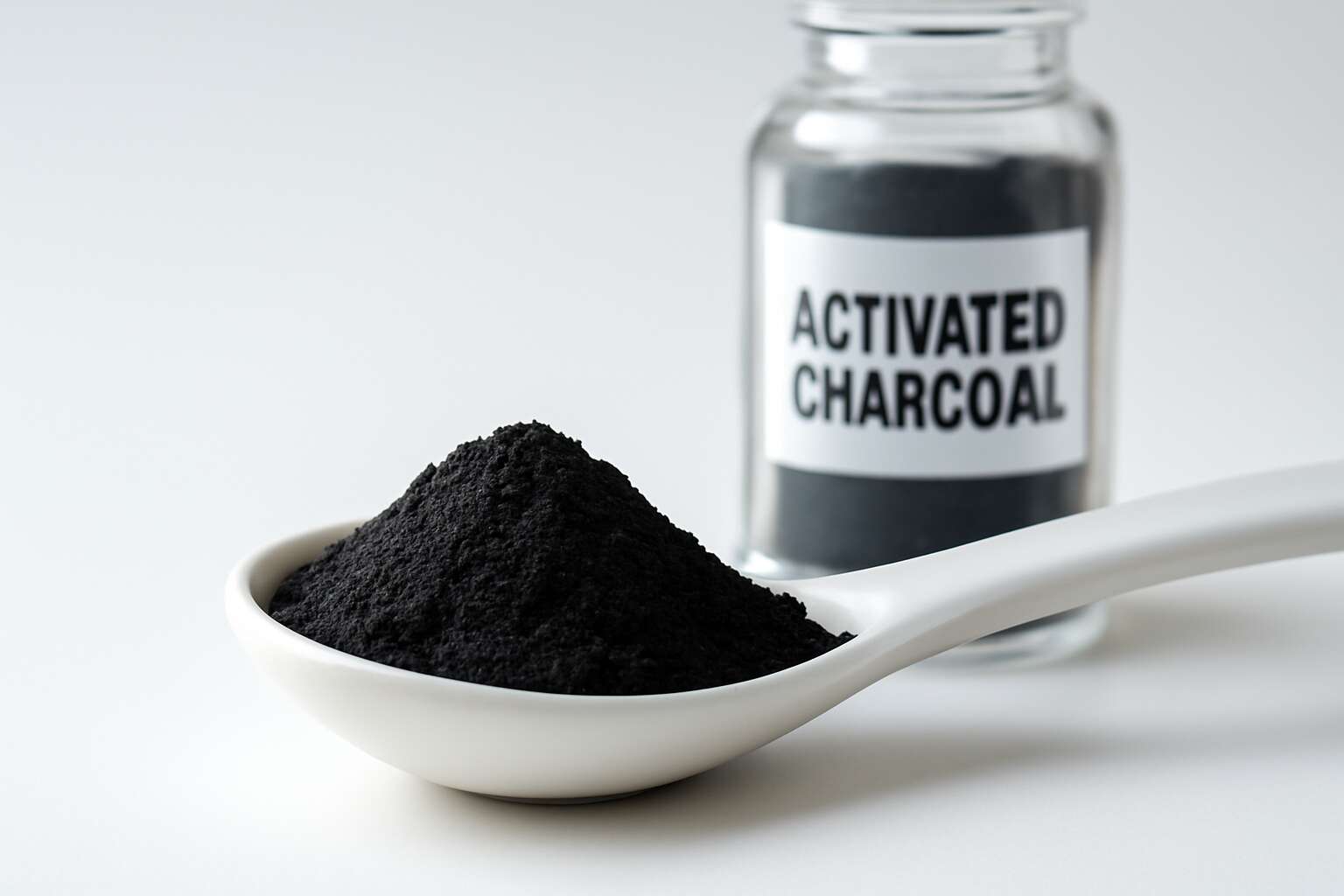
Activated Charcoal in Poisoning: Rationale and Use
Mechanisms and Principles
A single dose of activated charcoal can be a turning point in a poisoning case—clinicians in South Africa’s busy ERs know this well. “Time is a toxin’s enemy,” says a seasoned SA clinician. Understanding why activated charcoal is used in poisoning informs rapid decisions that limit absorption and buy crucial minutes.
Charcoal works by adsorption: its porous surface binds toxins in the gut, reducing what reaches the bloodstream. It traps many organic poisons, especially common household chemicals and some pesticides, making early administration a practical, evidence-based step in SA emergency care.
- Time since ingestion
- Type of toxin
- Risk of aspiration or airway compromise
These principles keep the approach focused on safety: not all substances are suitable, and dosing must be carefully managed alongside patient monitoring in busy clinics.
Clinical Use and Indications
In South Africa’s crowded ERs, a single dose of activated charcoal can feel like a lifeline in a poisoning crisis. “Seconds count in poisoning,” notes a seasoned clinician, and the intervention with charcoal reflects a practical, time-sensitive strategy. This is why activated charcoal is used in poisoning.
Clinical use centers on timing, toxin type, and airway safety. When appropriate, charcoal is administered orally or by tube to bind many organic poisons and common household chemicals. Indications include ingestion within 1–2 hours and a protected airway; the following guidelines help clinicians decide:
- Recent ingestion within 1–2 hours
- Likely adsorbable toxins (organic poisons)
- Airway protection and cooperation
Beyond these factors, safety governs dosing and monitoring in busy clinics; charcoal is not universal. It does not treat caustics, heavy metals, alcohols, or hydrocarbons, and aspiration risk must be managed.
Toxins and Efficacy
In South Africa’s crowded ERs, every minute counts, and data suggest prompt charcoal can halve absorption for certain poisons when given within the first hour. This is why activated charcoal is used in poisoning—timing can rewrite outcomes and save lives.
Rationale and toxins come into sharper focus here. Activated charcoal offers a vast surface area that binds many organic poisons, slowing or stopping their march through the bloodstream. It isn’t a universal antidote, but it can dramatically alter a case trajectory.
- Organic solvents
- Poisons from household products
- Some pharmaceuticals in overdose
Evidence supports a meaningful reduction in systemic uptake when administered promptly, yet safety and patient cooperation sculpt its use. Charcoal falters with caustics, heavy metals, alcohols, and hydrocarbons, and aspiration risk remains a vigilant sentinel in busy clinics.
Safety, Risks, and Operational Considerations
In South Africa’s crowded EDs, sixty seconds count and every decision can tilt the outcome. For many clinicians, the question isn’t abstract: why activated charcoal is used in poisoning, and what it can—and can’t—do. A vast, porous surface acts like a sponge, catching organic poisons before they slip into the bloodstream and slowing their march toward the body’s quiet chambers.
Yet the remedy bears caution. It is not a universal antidote, and its charm fades when care is delayed, or when cooperation falters. Safety concerns—airway protection, aspiration risk, and the need for clear patient selection—shape its use in bustling clinics.
- Airway protection and aspiration risk assessment
- Limitations with caustics, heavy metals, alcohols, and hydrocarbons
- Informed patient cooperation is essential
- Monitoring for vomiting and GI discomfort
Operationally, teams weigh logistics: timing windows, coordination with lab results, and the balance between rapid action and thorough observation. In South Africa’s health system, where crowding can blur the clock, charcoal use remains a careful, calculated option—bold in intention, restrained in practice.




0 Comments