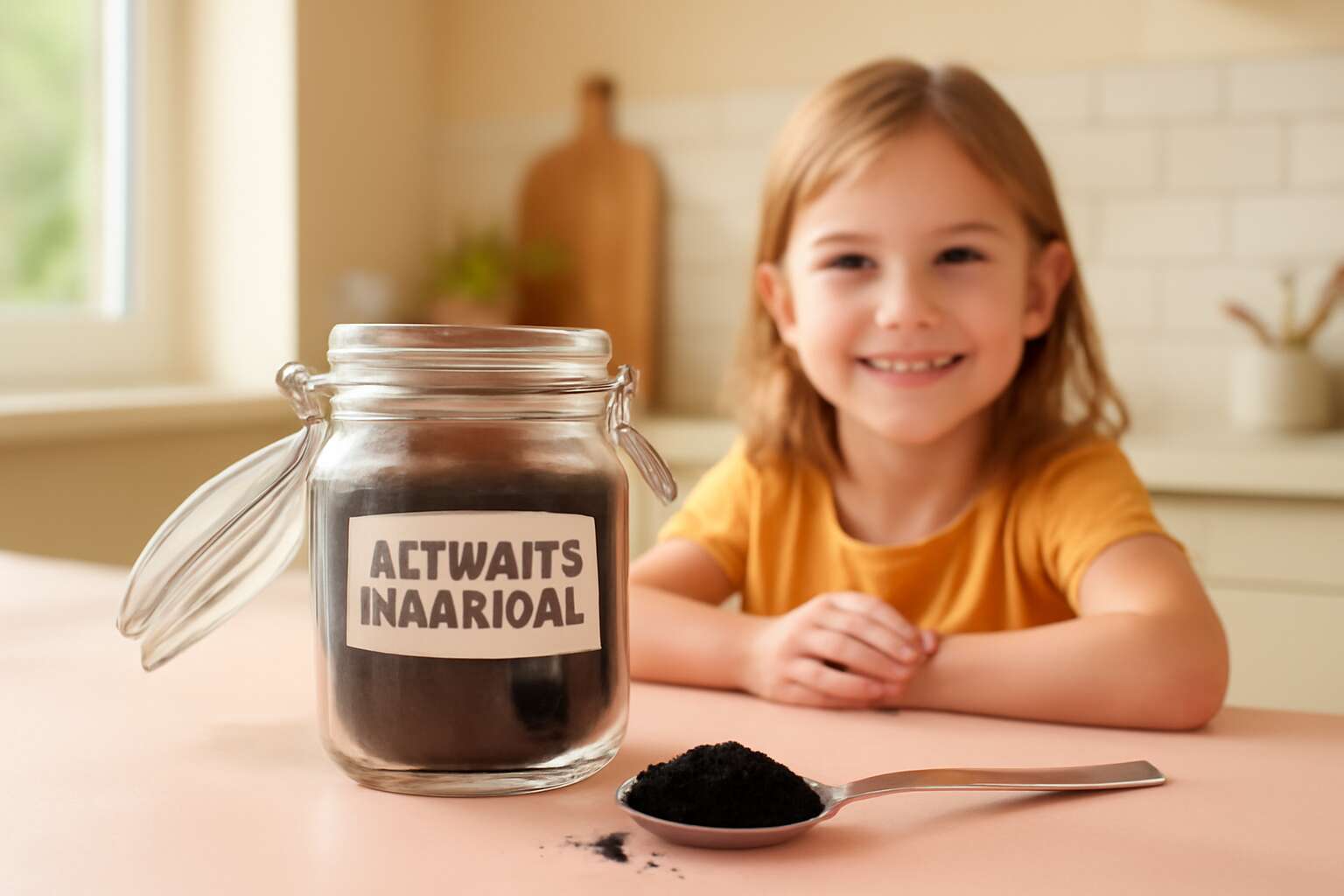
Activated Charcoal for Kids: A Pediatric Safety and Usage Outline
Overview of activated charcoal for children
Across South Africa, nearly 1 in 50 pediatric poisonings involve everyday household substances. activated charcoal good for kids is a concept many families explore under the quiet counsel of a clinician, and I hear parents asking about its safety in our clinics. In this tale of care, charcoal is a protective shade—not a cure-all!
Used judiciously, charcoal is not a universal antidote. It works best within a narrow window and only under professional guidance, considering the child’s age and the substance involved. It is not effective for caustic cleaners, metals, or unconscious children, and it must sit within a broader safety plan.
Key considerations include:
- Clinical guidance and the context of exposure
- Type of substance and timing since ingestion
- Safe storage and supervision to prevent pediatric access
Indications and timing for pediatric use
Across South Africa, nearly 1 in 50 pediatric poisonings involve everyday household substances. The idea that activated charcoal good for kids surfaces under careful clinical guidance, a topic whispered in clinic corridors and living rooms alike. It is a protective shade, not a cure-all, woven into the tapestry of safety.
Indications and timing hinge on professional assessment. Charcoal is not a universal antidote; its value hinges on the age of the child and the specific substance involved, ideally within a narrow window after ingestion.
- Clinical context guides whether its use is appropriate
- Effectiveness depends on timing and the substance involved
- Ongoing supervision and safety measures prevent accidental access
In the hush of South African clinics, these considerations shape a careful, gothically tempered approach to pediatric care.
Benefits, evidence, and limitations for kids
In the pediatric safety playbook, activated charcoal good for kids is a cautious ally, not a miracle wand. It surfaces in clinical whispers—used only under professional guidance and within narrow windows after ingestion.
When appropriate, it can limit toxin absorption in the gut and buy precious time for definitive treatment, but it’s not universal. The difference between a well-timed dose and a missed opportunity is measured in clinic notes and careful observation.
- Benefits: binds certain toxins in the gut and may reduce absorption when used promptly.
- Evidence: supportive in specific poisonings, with mixed results overall; not a universal antidote.
- Limitations: not effective for all substances; can cause vomiting or aspiration; interferes with other medicines.
Practical guidance for parents and caregivers
“Time is toxin’s fiercest ally and worst enemy,” a South African ER nurse likes to say. activated charcoal good for kids surfaces as a cautious ally—useful only under a clinician’s watchful eye and within narrow windows after ingestion.
In practice, its job is to limit gut absorption when the conditions are right, but it is not a universal antidote. Results vary by toxin, timing, and the child’s health status.
Here are high-level considerations for caregivers:
- Always consult a healthcare professional before considering any treatment
- Be mindful that charcoal can interfere with other medicines or tests
- Vomiting or aspiration are possible; seek care if they occur
Activated charcoal is a tool in the toolkit, not a miracle wand; the aim is cautious awareness and professional guidance.




0 Comments